

China Roller Door Supplier: Reliable Manufacturing for Global Businesses
2025-12-20
When it comes to sourcing reliable roller doors for global projects, the name that consistently rises to the top is FANSI. As a premier China roller door supplier, FANSI combines advanced manufacturing with rigorous quality control to deliver solutions that fit diverse commercial and industrial needs. But what truly sets FANSI apart in a crowded market? It’s a mix of engineering precision, customization flexibility, and a deep commitment to after-sales support—qualities that international buyers rarely find from a single source. In this blog, we pull back the curtain on how FANSI has become a trusted partner for businesses across continents, and why their approach to roller door manufacturing could be exactly what your next project demands.
Beyond the Factory Gate: How Our Roller Doors Anchor Global Supply Chains
A shipment of microchips sits in a warehouse in Taipei, waiting to be dispatched to an automotive plant in Stuttgart. The journey is long, the handoffs many, but the first and final barrier it passes through is often the same: a heavy-duty roller door. Industrial doors are the unassuming gatekeepers of global logistics, standing sentinel at loading docks, cold storage units, and distribution hubs. Without them, the seamless flow of goods we take for granted would grind to a halt within hours.
Our roller doors are engineered not just for insulation or security, but for the punishing rhythm of modern supply chains. A door that fails at a cross-docking facility in Memphis doesn’t just cause delays—it ripples outward, missing connections in Frankfurt, empty shelves in Osaka. That’s why we design with brutal honesty: cycle tests that mimic a decade of abuse, drive systems that self-diagnose, and materials chosen for the specific grit and humidity of a place. When a door performs reliably, it becomes invisible, and that invisibility is the highest compliment we receive.
What most miss is how deeply these doors tie into the human side of logistics. A properly functioning door shields workers from heat, noise, and dust, often in facilities that never sleep. It maintains the precise climate for vaccines en route to a clinic in rural Kenya, or keeps humidity low for a stock of lithium batteries bound for electric vans. The door is a quiet fulcrum—balancing speed, safety, and precision—and that’s a story seldom told beyond the factory gate.
Engineered for Every Continent: Custom Designs That Defy Boundaries
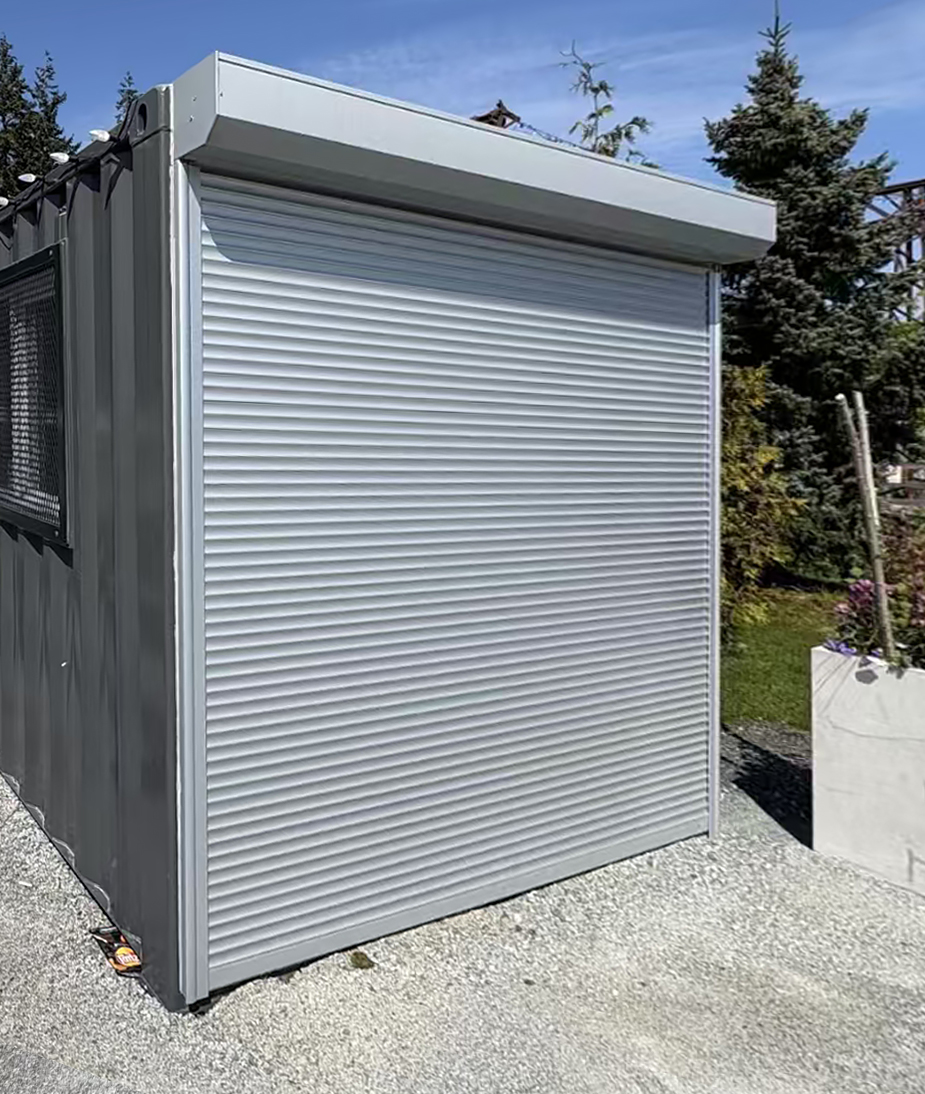
From the frozen tundra of Siberia to the sweltering deserts of the Sahara, our solutions are crafted to thrive where others falter. We don't believe in one-size-fits-all engineering; instead, we immerse ourselves in the local landscape, understanding the subtle interplay of climate, terrain, and cultural nuance. Every project begins with a blank slate and a deep respect for the environment it will inhabit.
Our custom designs dismantle the conventional limits of geography. Whether it's a floating structure that rises with floodwaters in Southeast Asia or a solar array angled to capture the low winter sun of Scandinavia, each creation is a response to specific, often extreme, conditions. We blend advanced materials with indigenous building wisdom, resulting in systems that feel inevitable to their surroundings—as if they grew there organically.
This philosophy of boundless adaptation extends beyond physical infrastructure. It's a mindset that embraces unexpected challenges and turns constraints into catalysts for innovation. By refusing to accept standard off-the-shelf fixes, we deliver solutions that don't just function across continents—they belong to them, seamlessly integrating performance with a profound sense of place.
The Quiet Revolution in Material Science: Durable, Lightweight, Sustainable
Walk into any modern design studio or engineering lab and you'll sense the shift—materials once dismissed as too fragile, too heavy, or too wasteful are being reimagined at the molecular level. It's not just about swapping one substance for another; it's a fundamental rethinking of what stuff can do. Today's breakthroughs quietly erase the old trade-offs. A composite that rivals steel in strength yet floats on water, a bioplastic that decomposes not in centuries but in weeks under the right conditions, a concrete that actually traps carbon instead of belching it into the atmosphere. These aren't laboratory curiosities anymore. They're already inside phone casings, airplane wings, and the walls of homes being built right now.
The push toward longevity and lightness comes from peculiar places. Take aerospace, where every gram shaved off a component translates into less fuel burned over decades of flights. That obsession trickled down into consumer goods, making everything from bicycles to backpacks stronger and featherweight. But durability isn't simply about resisting cracks or corrosion—it's about designing materials that age gracefully. Self-healing polymers, inspired by human skin, can repair small scratches when exposed to heat or light. Coatings that repel water, dirt, and bacteria without toxic chemicals are becoming standard on touchscreens and medical devices. The quiet marvel is that many of these innovations require less raw material and fewer replacement cycles, cutting waste before it even has a chance to pile up.
What ties all of this together is a sustainable ethos that sidesteps eco-marketing clichés. Instead of shouting about green credentials, engineers and materials scientists are simply making products that outlast the ones they replace, dismantle cleanly at end of life, or come from sources that replenish faster than we draw them down. Mycelium leather grown from fungi, pigments derived from algae rather than petroleum, insulation foams that are both fire-resistant and compostable—these are reshaping supply chains not because of regulation alone, but because they perform better. The revolution is quiet because it's woven into the mundane: the chair you sit on, the jacket you wear, the device you tap at all day. Material science is finally growing up, learning to balance what we need now with what the planet can give back tomorrow.
From Blueprint to Bay Door: Precision Manufacturing Without Compromise
Every great build starts with a vision scribbled on a napkin or a meticulously detailed CAD file. We bridge that gap without letting a single micron of your intent slip through the cracks. Our process begins by treating your blueprints not as rigid instructions but as a shared language—one our engineers speak fluently. They catch potential stress points, suggest material optimizations, and refine geometries long before a single piece of metal is cut. That early collaboration means fewer surprises later and a door that fits your airframe like it grew there.
On the floor, old-world craftsmanship meets uncompromising modern tech. Our CNC mills and water jets run around the clock, but they're only as good as the hands that dial them in. Each panel is fixtured with the kind of obsessive care usually reserved for restoration specialists. Tolerances aren't just numbers on a spec sheet; they're a point of pride. We measure twice, cut once, and then measure again—sometimes three times if the humidity shifts. This isn't automated indifference; it's deliberate, human-driven precision that robots alone can't replicate.
The final walk from the assembly bay to the open door isn't a handoff; it's a quiet moment of truth. We inspect every weld, every rivet, every hinge point with a critical eye that only comes from knowing this door will see turbulence, pressurization cycles, and years of wear. We think about the technician who'll install it and the pilot who'll glance over their shoulder trusting it to stay sealed. When that bay door rolls open and a completed unit heads to your hangar, it carries more than metal—it carries an unspoken guarantee that nothing was left to chance.
A Partner, Not Just a Supplier: End-to-End Support That Scales Your Business
When you work with us, you’re not just checking a box on a procurement list. We embed ourselves in your vision—learning your workflows, understanding your pain points, and aligning our incentives with your long-term goals. That means we celebrate your wins as our own, and when challenges arise, we don’t just ship a replacement part—we help you redesign the process to prevent future hiccups.
End-to-end support isn’t a buzzword here. From initial concept consultations to final-mile logistics and post-launch optimization, our team stays connected. Need to pivot quickly because of a sudden market shift? We’re on the same Slack channel, ready to recalibrate timelines and resources without the usual red tape. Every touchpoint is designed to keep your momentum going, not slow it down with handoffs and miscommunication.
Scaling isn’t just about handling more volume—it’s about growing smarter. We’ve built our infrastructure to flex with you: modular production lines, regional warehousing partnerships, and a tech stack that integrates directly with your ERP. As your orders spike, you won’t hear about backlogs or minimum order quantities that suddenly don’t make sense. You’ll just notice that your supply chain keeps humming, whether you’re shipping 100 units or 100,000.
When Timelines Matter: The Logistics Edge That Keeps Projects on Track
Deadlines in construction, manufacturing, or events aren’t just dates on a calendar—they’re fragile ecosystems where one late shipment can trigger a cascade of delays. A missing steel beam or a delayed stage prop isn’t merely inconvenient; it freezes labour teams, blows out rental equipment costs, and erodes client trust. The logistics edge lies in anticipating these breakpoints before they happen. Real-time tracking and dynamic rerouting turn “unexpected” road closures or port congestion into manageable detours, while buffer stock in strategically located micro-warehouses absorbs sudden demand spikes without slowing the overall timeline.
Beyond reactive fixes, top-tier logistics providers embed themselves into project planning from day one. They decode the hidden rhythm of a job—knowing, for instance, that a hospital renovation can’t risk noisy deliveries during patient rest hours, or that a film set requires pre-dawn coordination to avoid location fees for overtime. This isn’t just transport; it’s choreography. With a dedicated control tower that monitors every node and makes judgment calls when priorities clash, they ensure the right component doesn’t just arrive, but arrives when it’s actually useful. The result is a project that flows, not one that constantly recovers from supply chain hiccups.
FAQ
The combination of mature industrial clusters, cost-efficient production, and decades of export experience means you get durable doors without overspending. Factories often have in-house R&D, so they adapt quickly to different building codes and climates.
Most credible manufacturers run their own testing labs and follow international standards like CE or ISO. They also do full assembly checks before packing, so there are fewer surprises when the shipment arrives.
Absolutely. Custom fabrication is the norm, not the exception. You can specify dimensions, slat profiles, vision panels, motor placement, and even color matching, and they'll engineer a solution that fits your architecture.
Expect detailed installation manuals, video calls with engineers, and a clear warranty process. Some suppliers also stock critical spare parts in regional hubs or train your local technicians to handle routine maintenance.
They plan capacity around your project. Once designs are approved, many can ship standard doors in 30–45 days. Custom large-scale orders might take longer, but the schedule is usually agreed upfront and tracked with weekly updates.
Export packaging is serious business here. Steel frames, moisture-resistant wraps, and palletized loading are standard. The logistics team handles documentation and coordinates with forwarders to prevent damage and customs delays.
You'll find everything from basic manual steel doors for warehouses to high-speed automated doors for cold storage. Fire-rated, perforated, aluminum, and transparent polycarbonate models are all readily available and proven in overseas projects.
Conclusion
A China-based roller door manufacturer has evolved far beyond simple factory output to become a critical link in international supply chains. Their doors are not just products but engineered systems that endure diverse climates and operational demands across continents. Innovations in material science have led to lighter, stronger, and more sustainable doors that reduce both operating costs and environmental impact. From initial blueprint to final installation, every step is governed by precision manufacturing protocols that tolerate zero compromise, ensuring consistency in every unit shipped.
What truly sets this supplier apart is a partnership ethos that extends well past delivery. Custom designs crafted for specific regions overcome geographical and regulatory barriers, while end-to-end support—including logistics mastery—keeps projects on strict timelines. This combination of technical excellence and customer-centric scalability makes them a dependable engine for businesses building anywhere in the world.
Contact Us
Contact Person: Liam
Email: [email protected]
Tel/WhatsApp: (+86)16658531012
Website: https://www.fansifiredoor.com