

China Walk-In Glass Door Cooler: Key Features, Quality, and Buying Tips
2026-11-03
Walk-in glass door coolers are everywhere in food retail, but not all of them are built to handle daily abuse. If you're comparing models made in China, the real differences show up in frame rigidity, glass coating, and how well the door seals after thousands of openings. Rather than chasing the lowest price, it pays to understand these details upfront. Below, we’ll walk through the key features, quality red flags, and buying tips that actually matter—along with a look at how ART designs their coolers to avoid common failures. Let’s get into what separates a smart purchase from a costly mistake.
Glass Thickness and Low-E Coatings: What Actually Keeps Cold Air In
Most people assume a thicker pane of glass is the obvious fix for a drafty window, but that logic only takes you so far. Glass itself is a poor insulator - doubling its thickness barely moves the needle on heat retention. The real barrier against cold air isn't the glass at all, but the invisible layer of low-emissivity coating applied to its surface. This microscopic metallic deposit reflects indoor heat back into the room while slowing the transfer of cold from the outside. So when your living room still feels chilly despite double-pane glass, the missing piece is almost always the low-E treatment, not an extra millimeter of silica.
Think of a window as a system rather than a single material. A standard double-pane unit without low-E will lose heat roughly twice as fast as one with the coating. That's because low-E works on the principle of radiant heat, not conduction. Bare glass lets long-wave infrared energy pass straight through, meaning your furnace works overtime to replace what leaks out. The coating effectively puts a mirror in front of that heat, sending it back where it came from. Meanwhile, gaps between panes - whether filled with argon, krypton, or plain air - handle the conductive losses. Thickness matters only in so far as it supports that gas fill and reduces flexing.
So why do people still fixate on glass thickness? Partly because it is easy to measure, and partly because older windows with thin single panes were undeniably terrible. But the leap from single to double glazing delivers the biggest comfort gain, not because the glass is thicker, but because you introduce an insulating cavity and a chance to add low-E. From there, chasing extra thickness yields diminishing returns. If you want to keep cold air on the outside where it belongs, focus on the coating's emissivity rating - the lower the number, the better the barrier. Glass thickness is just the supporting actor, not the star.
Compressor Brands and Refrigerant Choices That Predict Lifespan
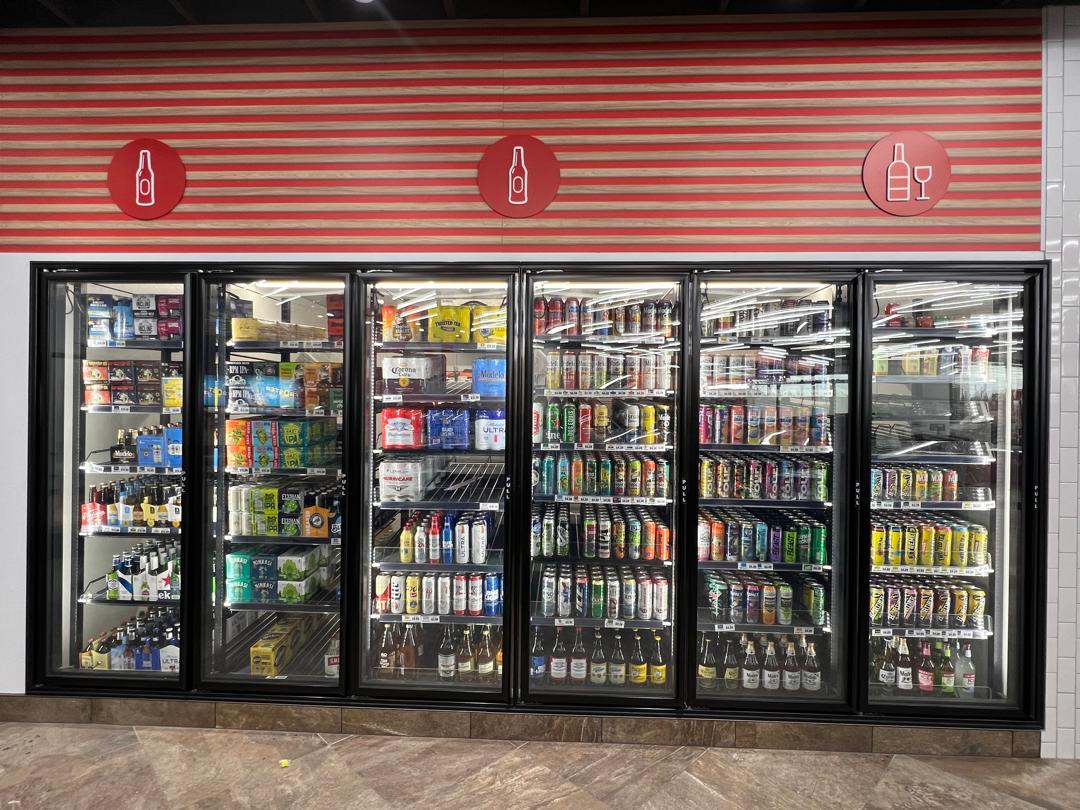
The compressor itself often decides whether a unit makes it past the first decade. Copeland scroll compressors tend to hold up because their bearing surfaces are machined for high-side pressure differences, and they tolerate occasional liquid slugging better than cheaper rotary designs. Danfoss variable-speed models reduce on/off cycling, which keeps winding temperatures lower and cuts the thermal expansion stresses that kill insulation. Meanwhile, budget rotary compressors found in low-cost mini splits may fail early if the install pulls contaminants into the oil.
Refrigerant choice is not secondary. R410A runs at higher pressures but remains chemically stable in clean systems, so lifespan depends heavily on whether the installer evacuated the lines and used a proper filter drier. R32 raises discharge temperatures, which can shorten lubricant life in poorly matched compressors; however, its lower charge volume means fewer pounds of acid-forming moisture if the system is tight. Older R22 systems often lasted long, but that was more about thick copper and simple controls than any magic in the refrigerant.
Look for pairings that stay inside the compressor's design envelope. A Copeland or Danfoss compressor matched with R410A and a TXV tends to predict longer life in residential splits, while a no-name rotary with R32 running a fixed orifice can swing pressures and overheat on mild days. The safest signals are a manufacturer that publishes oil type and moisture limits, plus a refrigerant whose pressure-temperature curve does not force the motor into high amp draws at normal ambient.
Inspecting Welds, Seals, and Frame Integrity Before You Commit
When you're standing in front of a used trailer or a piece of heavy equipment, the urge to focus on paint shine and tire tread is understandable. But the real story of how that machine has lived is hidden in the joints and corners. Run your fingers along the welds where the frame rails meet the cross members. A factory weld will feel like a smooth, even caterpillar; a sloppy repair often leaves spatter, undercut edges, or a bead that wanders off line. Take a bright flashlight and look for hairline cracks radiating from the weld toes—those are fatigue signals that no amount of touch-up paint can hide.
Next, shift your attention to every seal and gasket you can reach. Window rubbers, door weatherstripping, and axle seals should sit flat and feel pliable, not rock-hard or cracked like old leather. Pop open a storage compartment or battery box and sniff for mildew—trapped moisture around a failing seal often leaves that telltale musty odor. On hydraulic cylinders, look for a thin film of oil weeping past the rod seal. A faint dampness might be normal after hard use, but a visible drip means you'll likely be rebuilding that cylinder before the next season.
Finally, step back and study the frame itself. Get down on one knee at the front corner and sight along the main rails toward the rear. Even a subtle bow, twist, or dog-leg kink suggests the unit has taken a hit or been overloaded past its rating. Check around spring hangers, gooseneck plates, and axle mounting points for stretched bolt holes or shiny metal where components have shifted under stress. These are the areas where a "great deal" turns into a frame shop invoice. Five minutes of dirty knees now can save you from a lifetime of chasing alignment problems later.
Energy Labels vs. Real Power Draw: No More Guesswork
Energy labels are everywhere—bright yellow tags promising efficiency, star ratings that look official, and wattage numbers that feel reassuring. But those figures often come from ideal lab conditions, not your actual living room. A device rated 50 watts might spike to 80 under heavy load, or idle at 15 when you think it's off. If you've ever wondered why your electricity bill doesn't match the sticker on the box, you're not alone. The gap between label and reality is wider than most people expect.
The problem is that labels are static. They represent a single test scenario, while real power draw shifts moment to moment based on how you use the device, the ambient temperature, and even the age of the components. A space heater might draw its rated wattage for ten minutes, then cycle down as the thermostat kicks in. A computer's power supply might boast an 80 Plus Gold rating, yet still pull 20 watts in sleep mode because of a poorly designed USB port. Without measuring actual consumption, you're left estimating—and estimates are rarely kind to your budget.
The good news is that you no longer have to guess. Inexpensive plug-in power meters and smart home energy monitors give you hard numbers in real time. You can see exactly what a device draws at startup, during normal operation, and when it's supposedly off. That data is more valuable than any label, because it reflects your usage, your environment, and your devices. Once you measure real power draw, the mystery disappears—and so does the waste.
Supplier Questions That Separate Trading Companies from Factories
When you're evaluating a potential partner, the right questions can quickly reveal whether you're dealing with a trading company or an actual factory. Instead of asking vague questions like "Are you a manufacturer?", dig into specifics that only a factory can answer confidently. For example, ask about their raw material inventory levels, machine maintenance schedules, or how they handle sudden production line changes. A trading company will often hesitate or give generic answers, while a factory's response will include concrete details about workshop processes and daily operational challenges.
Another set of questions focuses on quality control and traceability. Ask about their in-house testing equipment, the number of QC staff per shift, or whether they can provide batch-level production records on demand. A factory can usually walk you through the entire process from material receiving to final packing, while a trading company may rely on third-party reports and secondhand information. Questions about lead times for custom tooling, minimum order quantities for raw materials, or the ability to accommodate last-minute design changes also expose the gap. Factories often have more flexible thresholds and can explain why a certain MOQ exists based on actual production constraints.
Finally, test their knowledge of manufacturing defects and repair methods. Ask how they handle common issues like surface scratches on metal parts, inconsistent stitching on textiles, or color variation in plastics. A factory will typically mention specific rework stations, polishing methods, or injection molding parameters. A trading company will often shift to generic claims about "strict quality control" without being able to discuss the technical fixes. These questions don't just separate the two types of suppliers—they also give you a clearer picture of the real capabilities and limitations you'll face if you move forward.
Shipping Damage, Spare Parts, and Warranty Loopholes Worth Planning For
Most buyers assume the box arriving with a corner crushed is just bad luck, but the real risk starts when you open it and find a hairline crack that wasn't there in the listing photos. Shipping carriers routinely deny claims for damage that doesn't look catastrophic from the outside, leaving you stuck with a product that works today and fails next month. Before you accept delivery, photograph the packaging from every angle, especially any dents or tears on the edges, and if possible, record yourself unboxing while the item is still powered off. This simple habit turns a he-said-she-said dispute into a straightforward claim.
Spare parts are another quiet trap. That replacement motor or custom hinge often costs more than you expect, and some sellers only stock them for a year after the model is discontinued. Rather than waiting for a breakdown, check whether the brand publishes a spare parts list and whether independent suppliers actually have those parts in stock right now. If you find obscure screws, proprietary connectors, or firmware that only the original factory can calibrate, factor that into your purchase decision. A budget-friendly device becomes expensive the moment you realize the only fix is a full replacement.
Warranty loopholes hide in the fine print about what counts as 'normal wear and tear' or 'improper handling.' Some warranties exclude damage from power surges, water exposure even with an IP rating, or any repair attempted by a local technician. Others require you to pay shipping both ways for a warranty claim that ends up being rejected, which can cost more than the part itself. Before you rely on that five-year guarantee, ask the seller for a written example of a claim they actually approved, and confirm whether labor costs are included or only the raw part. A warranty that covers a broken switch but charges you $80 in freight and handling is more of a discount coupon than a safety net.
FAQ
Focus on the door construction first. Tempered, double-pane glass with a low-E coating helps prevent fogging and cuts energy loss. Check that the frame is aluminum or stainless steel and that the hinges feel solid. Inside, the evaporator fan should be quiet and the controller easy to read. Also ask about the compressor brand—Copeland or Danfoss are common in reliable units.
Request a video walkthrough of the production line and a sample door if possible. Look for consistent weld points, clean silicone seals, and straight door alignment. Ask for third-party test reports for temperature pull-down and energy consumption. A factory willing to share detailed specs and previous client references is usually a better bet than one that only quotes a low price.
Yes, Zhejiang and Guangdong provinces have dense clusters of refrigeration manufacturers. Zhejiang tends to have more large-scale factories with automated lines, while Guangdong has many smaller workshops that can do custom work quickly. Neither is inherently better; you have to look at the actual facility and their export history.
Clarify what the quoted price includes. Does it cover the door heater wiring, LED lighting, casters, or just the basic cabinet? Ask about packaging—wooden crate vs. cardboard—and whether the freight forwarder handles the import paperwork. Also confirm the voltage and plug type match your local standard. Many disagreements come from assuming extras are included.
Very important. Single-pane glass will sweat and run up your electricity bill. You want double-pane, argon-filled glass with a heated frame or heated glass option if the cooler will be in humid conditions. Some Chinese suppliers offer triple-pane for ultra-low temp applications, but for standard 0–4°C walk-ins, a good double-pane unit is usually enough.
For North America, look for ETL or UL listing on the electrical components, and NSF for food-safe interior materials. For Europe, CE marking is mandatory but not always sufficient—ask for the declaration of conformity. If you're importing to Australia, RCM is needed. Don't settle for a generic 'CE certificate' without checking what standards were actually tested.
Usually yes, and this is a big advantage. You can specify the number of glass doors, door swing direction, shelf depth, interior lighting color, and even the exterior finish to match your store branding. The key is to provide clear drawings and confirm the production drawing before they start cutting metal. A good factory will send a CAD file for approval.
Standard production takes 20–35 days depending on the factory's current backlog and whether it's an off-the-shelf model or custom build. Sea freight to the US or Europe then adds 25–40 days. Some buyers use rail to Europe to cut a week or two. Always factor in customs clearance and local delivery when planning your opening date.
Conclusion
When buyers start comparing walk-in glass door coolers from China, they often focus on panel thickness or door count, but those numbers rarely tell you how well the unit will hold temperature over time. The real performance sits in the glass pack itself, double- or triple-pane assemblies with warm-edge spacers and a low-E coating make a measurable difference in keeping cold air in and condensation off the frame. Just as important is what rests underneath the hood. A name-brand compressor paired with a refrigerant that suits your climate and voltage stability will outlast a no-name unit even if both claim the same wattage on paper. Do not stop at the sticker either. Inspect the actual welds around the frame, the quality of door gaskets, and whether the manufacturer double-seals the glass edges. Energy labels can be misleading, so ask for real power draw at expected operating conditions rather than a lab number.
Once the spec sheet checks out, the conversation has to shift toward who you are buying from and what happens after the container lands. Ask for the factory's own production floor photos or a live video walk-through, a trading company will usually dodge those requests or send generic images. Dig into their standard warranty language too, many policies quietly exclude glass breakage, gasket wear, or compressor failures caused by voltage spikes, which are common in export markets. Before signing, clarify how spare parts like door hinges, controllers, and fans will be shipped, and whether they will pre-crate the cooler to survive rough handling. A supplier who can answer these questions without hesitation is usually the one worth committing to.
Contact Us
Contact Person: Ellen
Email: [email protected]
Tel/WhatsApp: +86-535-2229725
Website: https://www.artrefrigeration.com/