

Hastelloy Alloys in China: Key Benefits and Applications for Modern Industry
2026-01-24
In the dynamic landscape of modern industry, materials that withstand extreme environments are not just an advantage—they are a necessity. This is where Hastelloy alloys come into play, offering unparalleled resistance to corrosion, high temperatures, and chemical attacks. As industries in China and beyond push the boundaries of innovation, from aerospace to chemical processing, understanding the key benefits and applications of these superalloys can unlock new efficiencies and durability.
At the forefront of advanced material solutions in China is Jiangsu Baowu New Materials, a leader in developing and supplying high-performance alloys that meet the rigorous demands of today’s industrial challenges. In this blog, we’ll explore how Hastelloy alloys are revolutionizing sectors, delve into their critical advantages, and highlight why they should be on your radar. Get ready to discover how these materials can transform your operations and drive progress in an ever-evolving technological era.
Unveiling the Superior Corrosion Resistance of Hastelloy Alloys
Hastelloy alloys stand out in industrial applications due to their exceptional ability to withstand harsh environments, making them a preferred choice for corrosion-prone settings. These nickel-based alloys, such as Hastelloy C-276 and C-22, are engineered with precise blends of molybdenum, chromium, and tungsten, which work synergistically to resist a wide range of corrosive agents, including acids, chlorides, and oxidizing media. This resistance is not just theoretical; in fields like chemical processing and marine engineering, Hastelloy components often outlast alternatives, reducing maintenance costs and downtime. The alloys' performance in preventing pitting, crevice corrosion, and stress corrosion cracking is particularly noteworthy, offering reliability where other materials might fail.
What sets Hastelloy apart goes beyond mere chemical composition; it's the tailored microstructure and advanced manufacturing techniques that enhance their durability. Innovations in alloy design have led to versions like Hastelloy C-2000, which boasts improved resistance to sulfuric acid and other aggressive chemicals, demonstrating how continuous refinement addresses evolving industrial challenges. This adaptability means that whether in pharmaceutical reactors exposed to corrosive drugs or offshore oil rigs battling seawater, Hastelloy alloys provide a robust barrier against degradation, ensuring long-term operational integrity without frequent replacements.
In practical terms, the superior corrosion resistance of Hastelloy alloys translates into tangible benefits across diverse sectors. From aerospace components that endure extreme temperatures and environments to pollution control systems handling acidic emissions, these alloys deliver consistent performance. By minimizing corrosion-related failures, they contribute to safer operations and environmental protection, making them a smart investment for forward-thinking industries. The evidence from decades of use underscores their reliability, with many installations showcasing minimal wear even after years of service, highlighting their role as a cornerstone material in modern engineering.
Harnessing High-Temperature Strength for Demanding Industrial Processes
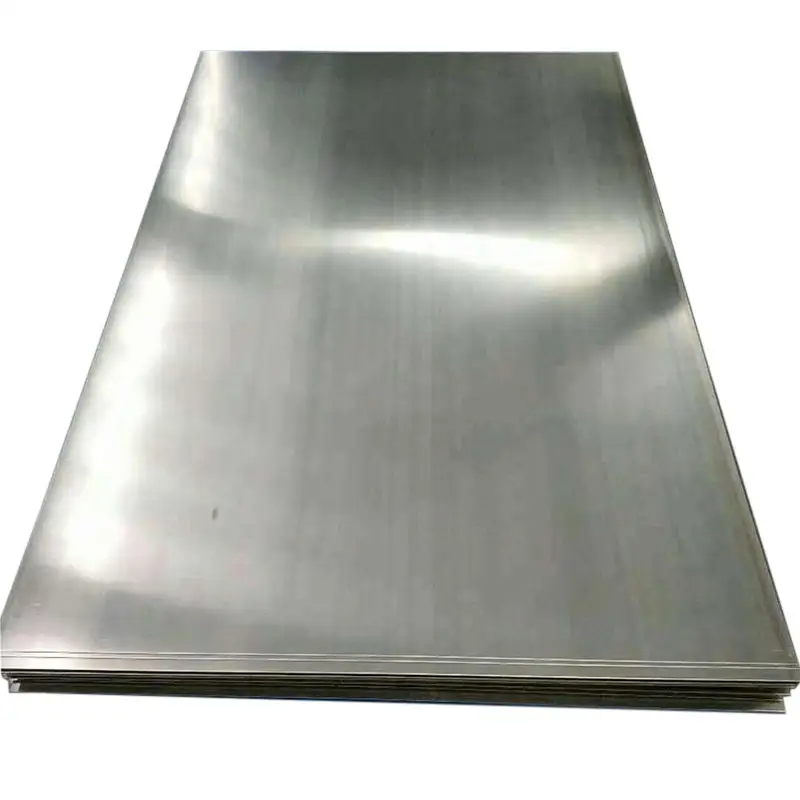
In industries where extreme heat is not just a challenge but a constant, the ability to maintain structural integrity under such conditions is crucial. From aerospace components that must withstand the searing temperatures of jet engines to chemical processing plants where high-temperature reactions are routine, selecting materials with exceptional thermal resistance can make or break a project's success. This involves not just choosing metals or ceramics that don't weaken or deform but understanding how their properties, like creep resistance and oxidation stability, evolve over time under stress. It's a delicate balancing act—ensuring durability without compromising on performance or safety, which often requires innovative alloys and composites specifically engineered for these punishing environments.
Beyond merely surviving intense heat, true high-temperature strength means materials can actively enhance operational efficiency and reliability. For instance, in power generation turbines or automotive engines, components that resist thermal fatigue allow for higher operating temperatures, leading to improved energy output and reduced emissions. Similarly, in metallurgy and glass manufacturing, furnaces lined with refractory materials that retain strength at elevated temperatures enable continuous, high-yield production cycles. This capability translates directly into cost savings and environmental benefits, as less downtime and waste are incurred, while pushing the boundaries of what's achievable in industrial design and innovation.
Advancing Aerospace and Aviation with Lightweight Durability
The relentless push for performance in aerospace and aviation has always hinged on a critical balance: reducing weight without compromising structural integrity. This quest has evolved far beyond mere material substitution. Today, it's a sophisticated dance of innovation, where components are not just lighter but smarter. Engineers are leveraging advanced composites like carbon fiber reinforced polymers, which offer a remarkable strength-to-weight ratio, and integrating them with novel manufacturing techniques such as additive manufacturing and automated fiber placement. These methods allow for intricate, optimized designs that were previously impossible, reducing mass in airframes, wings, and engine parts while enhancing overall durability against the harsh conditions of flight, from intense pressure differentials to thermal stresses.
This shift toward lightweight durability is fundamentally reshaping aircraft economics and environmental impact. Every kilogram saved translates directly into fuel efficiency gains, lowering operational costs for airlines and reducing carbon emissions—a pressing concern in the fight against climate change. For instance, modern commercial jets incorporate lightweight alloys and composites in up to 50% of their structures, leading to significant fuel savings over their lifespans. Beyond commercial aviation, the space industry benefits immensely; lighter spacecraft require less propellant, enabling more ambitious missions to distant planets or extended operations in orbit. It's not just about building things that last; it's about crafting systems that endure efficiently, making air travel more sustainable and space exploration more attainable.
Looking ahead, the frontier of lightweight durability is being pushed by emerging technologies and interdisciplinary collaboration. Researchers are exploring bio-inspired materials, such as those mimicking bone or spider silk, which combine minimal weight with exceptional toughness. Smart materials with self-healing properties could autonomously repair micro-cracks, further extending component lifespans and reducing maintenance downtime. In aviation, this means planes that are not only lighter and stronger but also more resilient to wear and tear, enhancing safety and reliability. As these innovations mature, they promise to unlock new possibilities, from supersonic travel with reduced environmental footprints to reusable spacecraft that withstand multiple launches, cementing lightweight durability as a cornerstone of aerospace advancement.
Innovating Chemical Processing with Enhanced Safety and Efficiency
By integrating cutting-edge automation and real-time monitoring systems, the chemical industry is undergoing a significant transformation. This shift not only boosts production rates but also drastically reduces human error, creating a safer workplace. For instance, advanced sensors can detect potential hazards like leaks or pressure build-ups before they escalate, allowing for immediate intervention and preventing accidents. Such innovations ensure that processes run smoothly while prioritizing employee well-being and environmental protection.
In addition to safety improvements, efficiency gains are achieved through optimized resource management and waste reduction. Techniques like process intensification and the use of green catalysts help streamline operations, cutting down on energy consumption and raw material usage. This leads to faster turnaround times and lower operational costs, making chemical plants more competitive and sustainable. By focusing on these dual aspects, the sector can deliver high-quality products with minimal ecological impact, aligning with modern demands for both profitability and responsibility.
Moreover, the adoption of digital twins and artificial intelligence allows for predictive maintenance and smarter decision-making. These technologies simulate real-world scenarios, enabling engineers to test and refine processes in a virtual environment before implementation. This proactive approach minimizes downtime and enhances overall efficiency, making chemical processing more resilient and adaptable to changing market conditions. Ultimately, this innovation drives continuous improvement in the industry, setting new standards for safety and performance.
Transforming Energy Sectors through Reliable Performance in Harsh Environments
In the realm of energy production and distribution, challenging environments—from the deep sea to arid deserts—present unique obstacles that demand robust solutions. The push toward reliable performance in these settings isn't just about durability; it's reshaping how entire sectors operate. By leveraging advanced materials and innovative technologies, companies are developing systems that withstand extreme temperatures, corrosion, and physical stress, ensuring continuous power generation and transmission even in the most unforgiving conditions. This shift is enabling previously inaccessible energy reserves to be tapped, fostering greater global energy security and reducing dependency on more fragile infrastructures.
What sets this transformation apart is its emphasis on adaptability and resilience, rather than mere toughness. Instead of relying on brute-force engineering, modern approaches integrate smart monitoring and predictive maintenance tailored to harsh environments. For instance, sensors and AI-driven analytics can detect early signs of equipment wear in offshore wind farms or remote solar installations, preventing costly downtime and extending asset lifespans. This proactive stance not only enhances operational efficiency but also minimizes environmental impact by reducing the need for frequent interventions in sensitive ecosystems, making energy projects more sustainable and socially responsible.
Beyond technical advancements, this focus on reliable performance is driving economic and strategic changes across energy landscapes. It encourages investment in regions once deemed too risky, spurring local job creation and infrastructure development. As energy sectors evolve, companies that excel in harsh environments are gaining a competitive edge, offering more stable and cost-effective solutions. This trend is particularly crucial for the transition to renewable energy, where reliability in diverse climates is key to scaling up clean power sources and meeting global climate goals without compromising on performance or safety.
Driving Sustainable Manufacturing with Longevity and Reduced Maintenance
Sustainable manufacturing in today's industry isn't just about reducing emissions or conserving resources—it's fundamentally tied to product longevity and maintenance strategies. Companies that design equipment to last longer inherently cut down on raw material extraction and manufacturing cycles, which slashes environmental footprints. Think about it: fewer replacements mean less waste ending up in landfills and a slower drain on natural reserves. By focusing on durability, manufacturers not only meet regulatory demands but also build a reputation for reliability that customers genuinely value.
Reducing maintenance plays a crucial role here, as it goes beyond just cost savings. When machines require less frequent upkeep, they operate more consistently, minimizing downtime and energy inefficiencies. This approach often involves smart design choices, like using corrosion-resistant materials or modular components that are easy to repair. Over time, these innovations lead to a circular economy model, where products stay in use longer and their parts can be refurbished or recycled. It's a win-win: businesses see lower operational expenses, and the planet benefits from reduced resource consumption.
What sets this apart from typical green initiatives is its holistic impact. Instead of isolated efforts, longevity and maintenance reduction create a ripple effect across supply chains. For instance, a durable industrial machine might inspire suppliers to adopt similar practices, fostering industry-wide innovation. This isn't just theoretical; forward-thinking companies are already integrating predictive maintenance technologies and life-cycle assessments to optimize performance. By championing these principles, manufacturers can drive real change, proving that sustainability and profitability aren't mutually exclusive but deeply interconnected goals.
FAQ
Hastelloy alloys are highly valued in China's industrial sector due to their exceptional corrosion resistance, especially in harsh environments like chemical processing and pollution control. They withstand acids, chlorides, and other corrosive agents, reducing maintenance costs and downtime in factories across provinces such as Guangdong and Jiangsu.
In China, Hastelloy alloys are widely used in the chemical industry for reactors and piping, the oil and gas sector for offshore platforms, and the power generation industry for flue gas desulfurization systems. Their ability to handle high temperatures and corrosive media makes them ideal for these applications, supporting China's push for safer, more efficient industrial operations.
By enabling longer-lasting equipment in waste treatment and air pollution control systems, Hastelloy alloys help Chinese industries minimize leaks and emissions. This durability aligns with China's environmental goals, such as reducing industrial waste and improving air quality in urban centers like Beijing and Shanghai.
The high initial cost and specialized welding requirements can be barriers for some Chinese manufacturers. However, local suppliers and training programs are emerging to reduce expenses and skill gaps, making these alloys more accessible for small to medium enterprises looking to upgrade their infrastructure.
Yes, Chinese metalworking firms often tailor Hastelloy alloys by adjusting compositions, such as adding molybdenum for enhanced pitting resistance or optimizing heat treatments. This customization allows for precise performance in unique applications, like semiconductor manufacturing or marine engineering projects along the coast.
Compared to stainless steels or nickel alloys, Hastelloy alloys generally offer superior strength and corrosion resistance at temperatures above 600°C, as seen in Chinese petrochemical plants. This leads to fewer replacements and better reliability, though cost-benefit analyses vary by project scale and location.
Recently, there's a growing trend in China to integrate Hastelloy alloys into renewable energy systems, such as geothermal power and hydrogen production facilities. Their durability under extreme conditions supports the country's shift toward green technology and infrastructure modernization.
Conclusion
Hastelloy alloys have become a cornerstone of modern industrial development in China, primarily due to their unparalleled corrosion resistance and exceptional high-temperature strength. These properties enable their widespread use across demanding processes where traditional materials fail, ensuring reliability in aggressive chemical environments and extreme thermal conditions. By integrating these characteristics, industries benefit from extended equipment lifespan and enhanced operational safety, making Hastelloy a preferred choice for critical applications.
In China's rapidly evolving industrial landscape, Hastelloy alloys drive innovation in key sectors such as aerospace, chemical processing, and energy. Their lightweight durability supports advancements in aviation, while their robustness in harsh environments transforms energy production and chemical manufacturing. This contributes to sustainable practices by reducing maintenance needs and promoting longevity, aligning with China's goals for efficient and resilient industrial growth. As a result, Hastelloy alloys play a vital role in enhancing both performance and sustainability across modern industries.
Contact Us
Contact Person: Zoe Liang
Email: [email protected]
Tel/WhatsApp: 86 189 2128 6299
Website: https://www.baowuchina.com