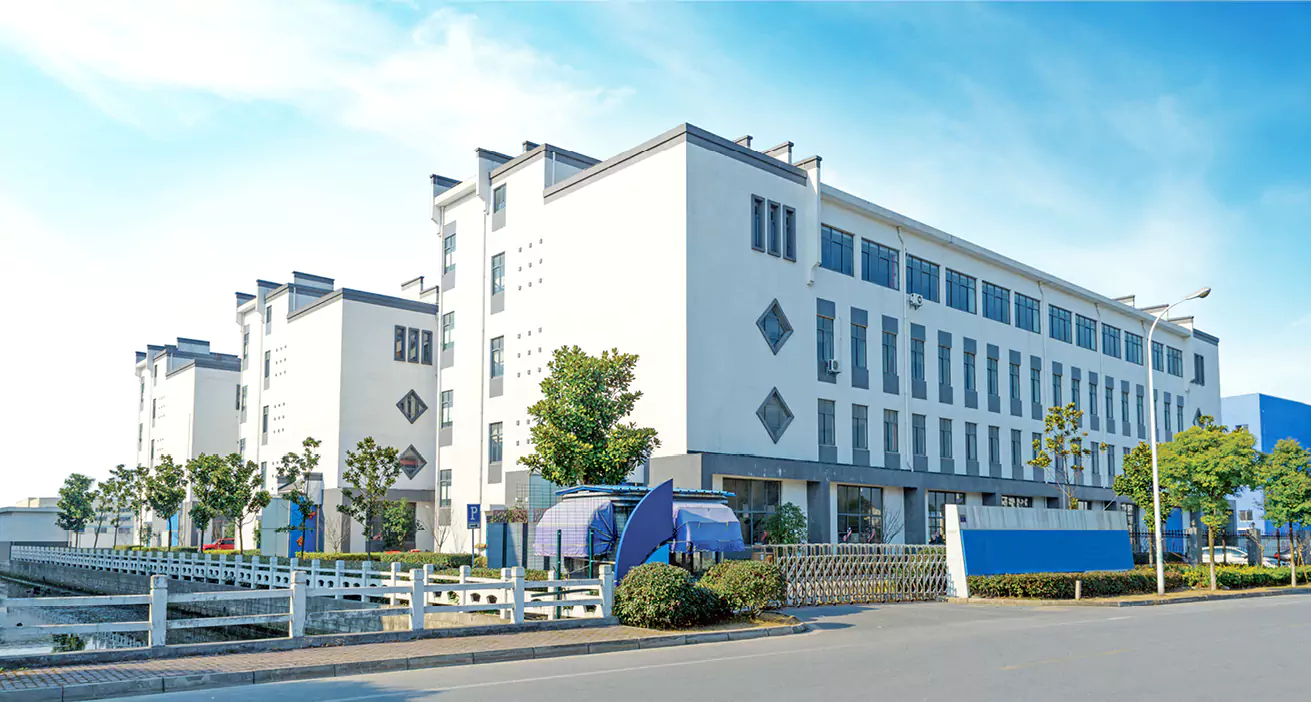

Narrow Strip Mill Factory: Boosting Production with Advanced Techniques
2026-03-04
In the competitive world of steel manufacturing, efficiency and precision are paramount. Welcome to our exploration of how narrow strip mill factories are revolutionizing production with cutting-edge techniques. At GRM, we understand the dynamic challenges of modern metallurgy and are dedicated to advancing these processes. In this post, we'll delve into the innovative methods that boost output, reduce waste, and enhance quality—all while keeping you ahead of industry trends. Join us as we uncover the secrets behind high-performance narrow strip mills and how GRM is leading the charge. Get ready to transform your approach to steel production with insights that matter.
Optimizing Efficiency with Cutting-Edge Rolling Technology
Embracing state-of-the-art rolling technology has become a game-changer in industries like manufacturing and construction. By incorporating advanced materials and precision engineering, these innovations not only enhance the speed of production but also minimize material waste, ultimately driving down operational costs. Imagine rolling processes that adapt in real-time to material variations, ensuring consistency and quality without constant manual intervention—that's the kind of smart efficiency that sets leaders apart from the competition.
What truly distinguishes cutting-edge rolling systems is their seamless integration with data analytics and automation. For instance, sensors embedded within the rolling equipment collect real-time metrics on pressure, temperature, and wear, feeding into predictive maintenance models that prevent downtime before it happens. This synergy between hardware and software transforms traditional workflows, allowing teams to focus on strategic improvements rather than routine fixes, thereby boosting overall productivity in ways that manual methods never could.
Beyond just efficiency gains, the adoption of these technologies fosters innovation across the supply chain. Companies leveraging such tools often develop proprietary rolling techniques that yield unique product characteristics, from stronger metals for aerospace to more flexible plastics for packaging. This competitive edge isn't just about working faster—it's about creating smarter, more sustainable solutions that resonate with evolving market demands, ensuring long-term viability and growth in an increasingly dynamic global landscape.
Integrating Smart Automation for Seamless Operations
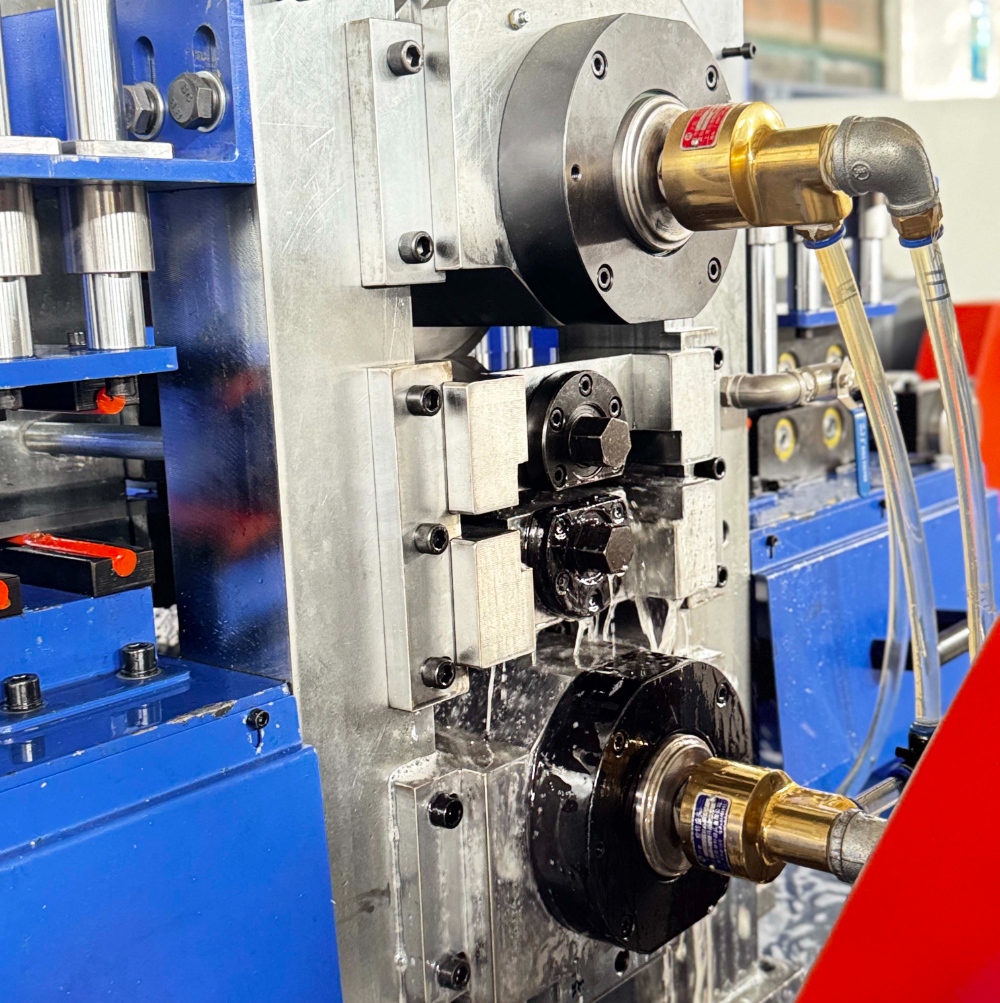
By weaving smart automation into operational workflows, businesses can achieve a smoother, more efficient environment that minimizes manual intervention and reduces errors. This integration often involves deploying AI-driven systems that learn and adapt over time, ensuring tasks are handled with precision without constant oversight.
For instance, in supply chain management, automated tools can predict demand fluctuations and adjust inventory levels in real-time, while in customer service, chatbots powered by natural language processing provide immediate, personalized responses, enhancing user satisfaction.
As organizations adopt these technologies, they not only streamline processes but also free up human resources for more strategic roles, fostering innovation and competitive advantage in dynamic markets.
Enhancing Quality Control Through Advanced Monitoring Systems
In today's competitive manufacturing landscape, maintaining consistent product quality is more crucial than ever. Advanced monitoring systems offer a proactive approach to quality control, allowing businesses to detect deviations in real-time before they escalate into costly defects. These systems leverage a combination of sensors, data analytics, and machine learning to monitor every stage of production, providing a comprehensive view of operational health. By implementing such technologies, companies can shift from reactive problem-solving to a preventive mindset, ultimately reducing waste and enhancing customer satisfaction.
One of the standout features of these systems is their ability to integrate seamlessly with existing workflows, offering customizable dashboards that highlight key performance indicators. This adaptability ensures that teams can focus on critical areas without being overwhelmed by data. Moreover, the real-time alerts generated by advanced monitors enable swift corrective actions, minimizing downtime and preventing batch rejections. As a result, organizations not only improve their product reliability but also build a culture of continuous improvement, where data-driven insights fuel innovation and efficiency gains across the board.
Beyond the factory floor, advanced monitoring systems extend their benefits to supply chain management and post-production phases. By tracking materials and processes from sourcing to delivery, these systems ensure consistency and traceability, which are vital for meeting regulatory standards and consumer expectations. This holistic approach to quality control empowers businesses to stay ahead of market demands, fostering trust and loyalty among stakeholders. In essence, embracing these tools is not just about upgrading technology; it's about transforming how quality is perceived and achieved in a dynamic, ever-evolving industry.
Expanding Capacity with Precision Material Handling Solutions
In today's fast-paced industrial landscape, expanding capacity isn't just about adding more equipment—it's about integrating precision material handling solutions that streamline operations and boost efficiency. By focusing on tailored systems that adapt to unique workflow demands, businesses can achieve significant throughput improvements without the usual downtime or waste. Precision handling means every movement is optimized, from automated conveyors to robotic arms, ensuring materials flow seamlessly through production lines and reducing bottlenecks that often hinder growth.
What sets these solutions apart is their ability to scale with precision, rather than brute force. Instead of relying on generic, one-size-fits-all approaches, advanced handling technologies incorporate real-time data analytics and smart sensors to monitor material flow and adjust processes on the fly. This dynamic adaptability allows companies to expand their capacity incrementally, responding to market fluctuations without overinvesting in infrastructure. As a result, operations become more resilient and cost-effective, with reduced errors and enhanced safety standards that keep pace with increasing demands.
Ultimately, the key to expanding capacity lies in blending innovation with practical implementation. Precision material handling solutions don't just increase volume; they refine how materials are managed, turning potential inefficiencies into competitive advantages. By investing in these systems, businesses can future-proof their operations, ensuring sustainable growth that aligns with evolving industry standards and customer expectations.
Leveraging Innovative Cooling and Finishing Techniques
In today's fast-paced manufacturing landscape, leveraging innovative cooling and finishing techniques has become essential for enhancing product durability and aesthetic appeal. By integrating advanced cooling methods, such as cryogenic treatments or precision-controlled airflows, industries can significantly reduce internal stresses in materials, leading to components with improved structural integrity and longer lifespans. These techniques not only accelerate production cycles but also minimize defects, allowing for higher consistency across batches.
When it comes to finishing, novel approaches like laser etching or eco-friendly powder coatings are revolutionizing surface treatments. Unlike traditional methods, these innovations offer superior precision and versatility, enabling intricate designs and durable finishes that resist wear, corrosion, and environmental factors. This adaptability makes them ideal for diverse applications, from automotive parts to consumer electronics, ensuring products stand out in competitive markets with both functionality and style.
Moreover, the synergy between cutting-edge cooling and finishing processes drives sustainability and customization. For instance, combining rapid cooling with smart finishing can reduce energy consumption and waste, while allowing for tailored textures and colors that meet specific client demands. By embracing these advancements, businesses can not only boost efficiency but also create value-added products that resonate with modern consumers, setting new benchmarks in quality and innovation.
Boosting Sustainability with Energy-Efficient Production Methods
As industries worldwide grapple with the urgent need to reduce environmental footprints, energy-efficient production methods have emerged as a powerful catalyst for sustainability. Rather than merely cutting costs, these strategies fundamentally redesign processes to minimize waste and maximize resource use. For example, advanced automation and smart sensors in manufacturing plants can dynamically adjust energy consumption based on real-time demand, leading to significant reductions in greenhouse gas emissions. This shift not only aligns with global climate goals but also enhances operational resilience by making businesses less vulnerable to energy price fluctuations.
A key aspect of boosting sustainability through energy efficiency lies in the adoption of circular economy principles, where materials are reused and recycled within production cycles. Companies are increasingly investing in technologies like heat recovery systems and energy-efficient machinery that convert waste heat into usable power, thus closing the loop on energy waste. Such innovations not only lower carbon outputs but also foster a culture of innovation, where sustainability becomes a driver for competitive advantage rather than a compliance burden. By integrating these methods, industries can achieve a dual win: protecting the planet while improving long-term profitability and stakeholder trust.
Beyond technical upgrades, energy-efficient production methods involve a holistic rethinking of workforce training and supply chain management. Empowering employees with knowledge on energy conservation practices and investing in renewable energy sources, such as solar or wind power for facilities, can create ripple effects across entire sectors. This approach transforms sustainability from a niche initiative into a core business strategy, setting companies apart in a crowded market. Ultimately, it's about building systems that are not just efficient but resilient, paving the way for a cleaner, more sustainable industrial landscape for generations to come.
FAQ
The factory incorporates real-time data analytics and AI-driven quality control systems that monitor production lines continuously, adjusting parameters on the fly to minimize defects and optimize output.
By leveraging precision rolling technology and automated tension control, the factory ensures uniform thickness down to micrometers, supported by laser measurement tools that provide instant feedback for adjustments.
The plant uses regenerative braking systems on its rolling mills to recapture energy, along with heat recovery from cooling processes, cutting overall power consumption by up to 20% compared to conventional setups.
Operators undergo immersive simulation-based training to master new equipment, fostering a culture of proactive maintenance and rapid troubleshooting that reduces downtime significantly.
Advanced sensors and machine vision systems inspect every strip for flaws at high speeds, with automated sorting diverting any subpar material without slowing the overall process.
The facility employs automated guided vehicles and robotic cranes for seamless transport of coils, integrated with inventory management software that tracks materials in real-time to prevent bottlenecks.
Conclusion
In the narrow strip mill industry, production enhancement is increasingly driven by advanced technological integration. The adoption of cutting-edge rolling technology optimizes efficiency by reducing waste and improving speed, while smart automation systems integrate seamlessly to streamline operations from input to output. This synergy not only boosts throughput but also ensures consistent quality through advanced monitoring systems that detect and correct deviations in real-time. By expanding capacity with precision material handling solutions, factories can manage larger volumes without compromising on accuracy or safety, laying a foundation for scalable growth in competitive markets.
Further innovations in cooling and finishing techniques enhance product quality and durability, meeting stringent industry standards. Simultaneously, a focus on sustainability through energy-efficient production methods reduces environmental impact and operational costs, aligning with global trends towards greener manufacturing. Together, these strategies transform narrow strip mills into high-performance facilities, where efficiency, quality, and sustainability converge to drive long-term success and resilience in a dynamic industrial landscape.
Contact Us
Contact Person: Rayna
Email: [email protected]
Tel/WhatsApp: 86 -173 1474 6343
Website: https://www.grmrollingmill.com/