

Precision Turned Parts Exporter Checklist for Consistent Quality and On-Time Delivery
2026-11-02
When every micron counts and a late shipment can stall an entire assembly line, precision turned parts exporters need more than good intentions. This checklist from BOYIKUN strips away guesswork, showing exactly what separates consistent quality and on-time delivery from costly surprises.
Supplier audits that look past the polished brochure
A glossy brochure can hide a lot. Real supplier audits start with the assumption that every claim needs to be tested against the unglamorous details — how raw materials actually arrive, how night-shift workers are trained, whether batch records match the story told in the sales deck. Walking the floor without a script often reveals more than any presentation. You look for the small things: a maintenance log that hasn't been updated in weeks, a quarantine area that's too clean, a forklift driver who doesn't know where the fire extinguisher is. These are the signals that never make it into marketing copy.
The most useful audits go beyond checklists and certificates. They trace a single order from receiving through dispatch and ask questions that make people pause: What happens when a supplier's key raw material fails incoming inspection? Who decides whether to ship anyway? If the answer is a shrug or a rehearsed line, that tells you more than any ISO wall plaque. A supplier's true capability shows up in how they handle deviations, not in how they describe their strengths on page three of a brochure.
Tool wear monitoring before it reaches the tolerance limit
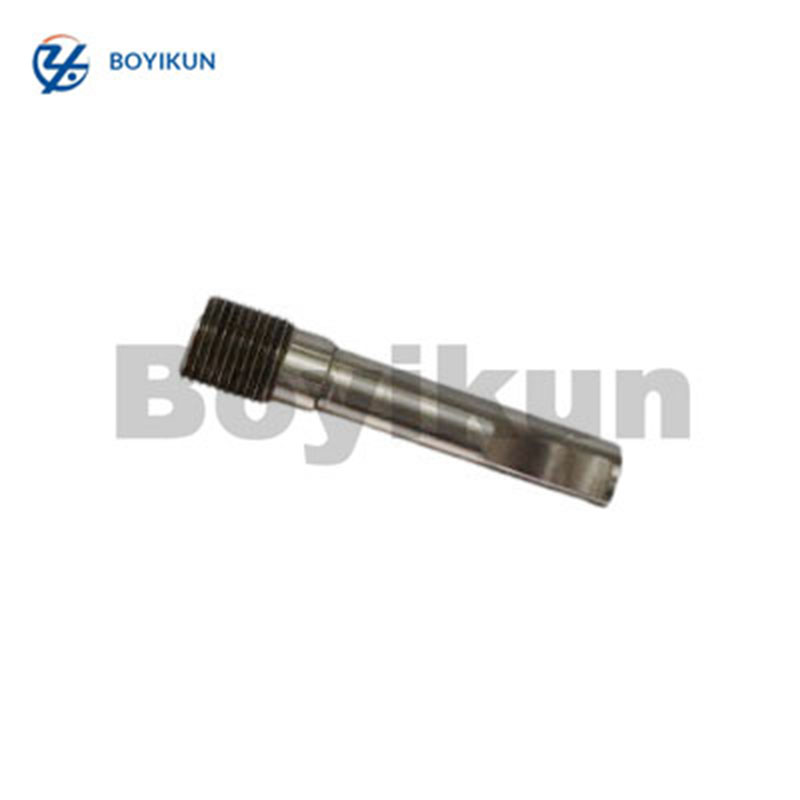
In precision machining, the line between acceptable and rejected parts often narrows to a few microns. Tool wear monitoring before it reaches the tolerance limit is not just about catching a dull insert—it's about predicting the exact moment when dimensional drift begins to accelerate. By continuously tracking cutting force signatures, acoustic emission patterns, and spindle power consumption, operators can see wear progressing long before the tool breaks the tolerance band. This shifts the workflow from reactive replacement to scheduled intervention, keeping every part within spec.
A practical approach relies on setting early warning thresholds at around 70–80% of the tolerance limit. Instead of waiting for a caliper check to reveal a bad batch, the monitoring system flags subtle increases in surface roughness or gradual shifts in tool tip temperature. Modern setups use wavelet analysis on vibration data to isolate wear-induced frequencies from normal machine chatter. The goal is to create a buffer zone: when the estimated wear curve projects that the next few parts might breach the upper control limit, the system triggers a tool change advisory. This prevents scrapped workpieces and avoids the hidden cost of producing parts that barely pass today but fail after a few hours of service.
Implementing such monitoring requires calibration for each tool-material combination and workpiece geometry. A drill bit in aluminum wears differently than a carbide end mill in titanium, so the baseline wear signatures must be captured during a short run-in period. Many shops use tool condition monitoring (TCM) modules that learn the normal operating envelope and alert on deviations, without needing a full physics-based model. The real value shows up in lights-out machining or high-mix production, where an operator isn't standing by with a micrometer. Keeping wear below the tolerance limit turns tool life from a guess into a measured variable, and that consistency is what customers notice.
Packing for vibration, humidity, and customs inspection
When preparing shipments for transit, the packaging design must account for three distinct threats: mechanical vibration, moisture ingress, and the scrutiny of customs officers. Vibration dampening usually involves layered cushioning—foam inserts, air cells, or suspension systems that isolate the product from the container walls. For humidity, vapor-proof barriers like sealed poly bags, desiccant packs, and humidity indicator cards are placed inside before the outer carton is taped. A common mistake is using only a single layer of bubble wrap; vibration can still transfer through rigid corners, and humidity can creep in through unsealed seams.
Customs inspection adds another layer of constraint. Boxes that are too difficult to open often get damaged during inspection, while those that are too easy may invite pilferage. A practical approach is to use tamper-evident tape on the outer flap, but keep the inner packing simple enough that an inspector can reseal it without specialized tools. Include a packing slip and commercial invoice in a clear adhesive pouch on the outside, not inside under layers of foam. Also, mark the carton with “FRAGILE” and “KEEP DRY” only if those warnings match the actual contents—false labels can trigger extra scrutiny.
A better method is to combine vibration and humidity protection into a single reusable system: a rigid plastic case with a rubber gasket and pressure relief valve. The case absorbs vibration through its molded corners, while the gasket blocks ambient moisture. Inside, custom-cut foam cradles the item without excess movement. For customs, the case can be opened and closed repeatedly without losing its seal, and the transparent lid allows a visual check without unpacking. This approach costs more upfront but reduces damage claims and inspection delays, which are often hidden costs in the total logistics chain.
Dispatch timing when a single late shipment erases trust
A single late shipment doesn't just inconvenience a customer—it plants a seed of doubt that can quietly unravel months of careful relationship building. The moment a package misses its promised dispatch window, the buyer's confidence shifts from "they've got this" to "can I really rely on them?" And trust, once fractured by that delay, rarely returns to its original strength.
Dispatch timing operates as an invisible contract between seller and buyer. Unlike product quality, which can be reviewed and returned, a late dispatch leaves nothing to evaluate but silence and a tracking number that refuses to move. In a marketplace where competitors are one click away, that silence screams louder than any marketing promise. Customers don't measure your reliability by your best deliveries—they measure it by the one that went wrong.
The way forward isn't just shipping faster; it's shipping with brutal honesty about what you can actually deliver. If a delay is possible, say so before the customer has to ask. Proactive communication can soften the blow, but it cannot replace the fundamental need to hit your dispatch windows. Every on-time shipment is a deposit into the trust account; every late one is a withdrawal that can bankrupt you in a single transaction.
Corrective action reports that prevent repeat defects
A corrective action report works best when it digs past the obvious mistake and identifies the decision or process gap that allowed the defect to happen. Instead of stopping at “operator error,” teams trace the sequence of events, materials, and measurements that contributed to the failure. This makes the report a working document rather than a formality.
The most useful reports include a clear ownership split: who will change the procedure, who will verify the change, and when the next check will occur. Without those assignments, the same issue tends to resurface under a slightly different label. A short verification loop, such as reviewing three production runs after the fix, gives early warning if the corrective action is only cosmetic.
Over time, these reports become a pattern library. Recurring root causes, like unclear handoffs between shifts or late supplier notifications, stand out quickly. Reviewing them monthly helps shift the focus from reacting to individual defects toward strengthening the systems that let defects reach the customer in the first place.
FAQ
Before machining begins, the checklist ought to lock down raw material certificates, tool wear limits, and first-article inspection criteria. Without freezing those parameters, batch-to-batch consistency tends to drift.
Use in-process probing on CNC lathes plus a dedicated final inspection station with calibrated micrometers and optical comparators. This catches drift early instead of waiting until a full lot is finished, which keeps delivery timelines intact.
Precision turned parts often rely on specific hardness or stress-relief states. If the heat treater's furnace records and hardness test results are not checked before dispatch, hidden brittleness or distortion can show up only at the customer's assembly line.
Individual compartment trays, rust-inhibiting VCI paper, and secured inner cartons with shock-absorbing foam reduce the chance of nicks and corrosion. The checklist should also require a drop test on a sample package before shipping full batches.
The checklist needs a capacity review step—comparing current machine loading, tooling availability, and raw material lead times against the requested due date. Only after that check should the sales team confirm the schedule to the buyer.
A material test certificate, a dimensional inspection report tied to the drawing revision, and a certificate of conformance are the minimum. For aerospace or medical turned parts, include batch traceability records linking each part number to its heat lot and production date.
Plating or anodizing vendors must be audited for thickness testing, adhesion checks, and process control logs. The exporter should also request a small pre-production sample from the same line that will handle the actual order, not a lab-only coupon.
A hold point for final audit—where a supervisor compares the packed parts against a sealed golden sample and the purchase order—catches wrong counts, mixed revisions, or labeling errors that could otherwise reach the customer.
Conclusion
A checklist only earns its place when it forces decisions that a glossy supplier brochure cannot. For precision turned parts, that begins with audits that go beyond the sales pitch: walking the floor, checking how material traceability is handled, and asking operators about their last rejected batch. It also means watching tool wear as a live variable, not waiting until dimensions drift to the tolerance edge. Replacing inserts on a schedule built from actual spindle hours prevents the kind of dimensional creep that passes final inspection but fails in the field. Packing then becomes part of the quality chain. Threads and sealing surfaces need protection against vibration and humidity, while every crate should be easy to open and reseal for customs, with clear part counts and heat numbers, so a port delay does not turn into a mystery.
Delivery timing is where trust is either kept or lost. A single late shipment can undo months of consistent performance, because downstream assembly lines do not forgive silence. Dispatch planning has to account for customs hold-ups, freight consolidations, and the reality that a promised date means the parts are in the buyer's hands, not just leaving the dock. When something does go wrong, a corrective action report should read less like a form and more like an engineering note: what failed, which process allowed it, and what changed to prevent the same defect twice. These pieces only hold together when the exporter treats the checklist as a working document, revised after every order and reviewed before every shipment.
Contact Us
Contact Person: Xianchen Hu
Email: [email protected]
Tel/WhatsApp: 86-13248645200
Website: https://www.hexnb.com/