

Road Hardening Agents: What They Are and Why They Matter in Road Construction
2026-07-17
Ever noticed how some roads crumble within years while others stay smooth for decades? The difference often comes down to what's happening invisibly underneath. Road hardening agents are the game-changers that stabilize soil bases, boosting strength and durability from the ground up. By chemically binding loose particles, they create a rock-solid foundation that resists erosion, cracking, and the relentless pounding of traffic. At MST, we’ve learned that choosing the right agent can mean the difference between endless patching and a road that truly lasts. Curious about how these agents work and why they’re reshaping modern road construction? Let’s uncover the science and the savings.
Unpacking the Chemistry Behind Road Hardening Agents
Road hardening agents seem almost mundane—spray them on dirt, and suddenly you have a sturdy surface. But dig a little deeper, and the real magic unfolds in a carefully orchestrated chemical dance. These agents don't just coat the soil; they rearrange its very structure, using reactions that mimic natural geological processes compressed into hours instead of millennia.
Traditional options like lime and cement kick off a pozzolanic chain: calcium hydroxide seeps into clay particles, swapping ions and triggering a slow crystallization that glues everything into a rock-like mass. Newer polymer-based hardeners take a different route, forming long molecular chains that physically wrap around soil grains, locking them in place even as temperatures swing or moisture tries to intrude.
Then there are enzyme formulations, which rely on biological catalysts to digest organic fines and boost compaction. By stripping away the microscopic debris that normally weakens soil bonds, they let the remaining mineral particles nestle together more tightly—almost like zipping up a fabric rather than just piling on weight. The result is a road that resists rutting and dust without the constant upkeep old gravel tracks demand.
Why Traditional Roads Fail Without Proper Soil Stabilization
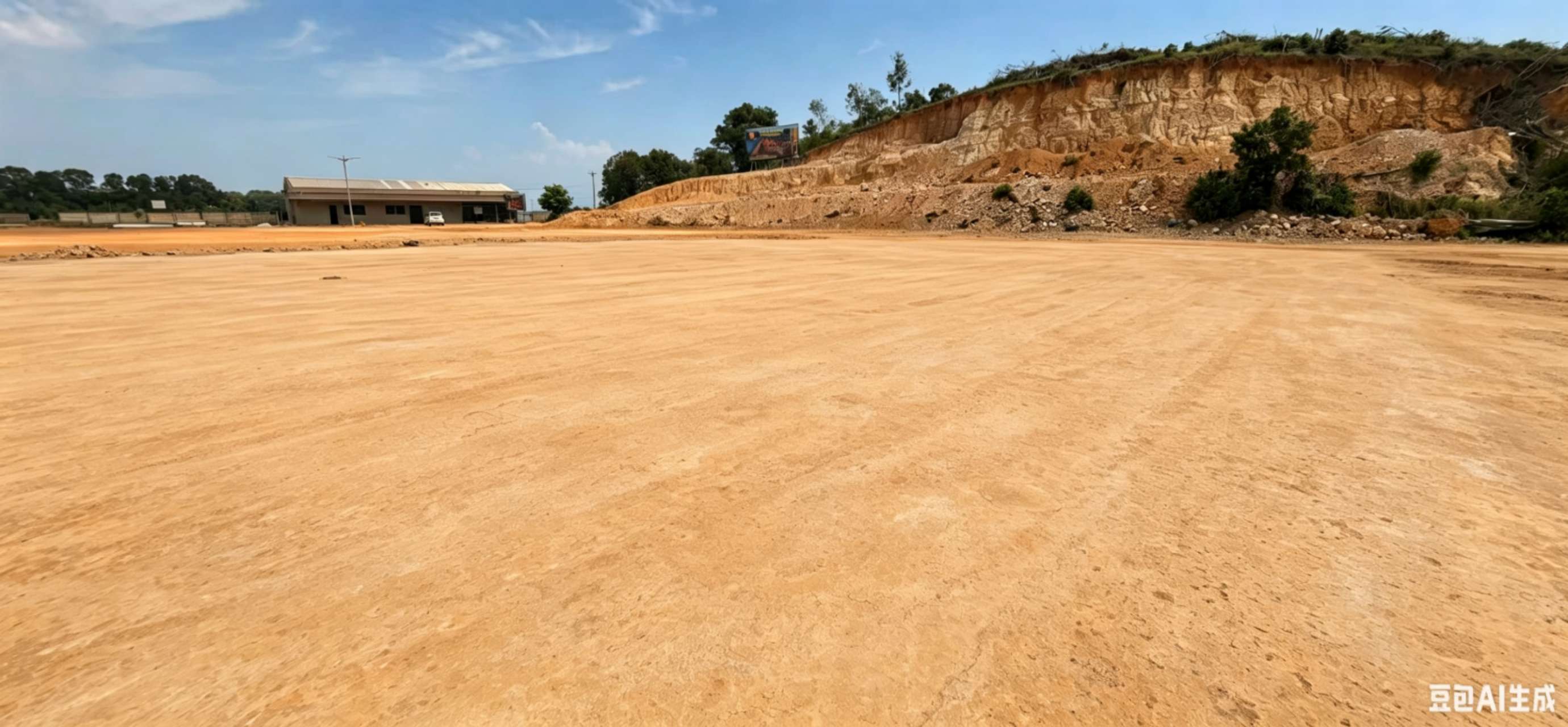
Beneath the asphalt, the very ground that supports a road is constantly changing. Moisture seeps in, temperatures shift, and the weight of traffic pounds down day after day. Without stabilization, the soil becomes a weak link—expanding when wet, shrinking when dry, and losing its load-bearing capacity over time. This creates a hidden battlefield where the road surface cracks, sinks, and eventually crumbles, all because the underlying earth was left to fight the elements alone.
It’s not just about water and weight. Unstable soil can have uneven composition, pockets of organic material, or fine particles that turn to mud with the first rain. When a road is built directly on such ground, the pavement becomes a brittle shield that quickly fails once the soil beneath gives way. The result is the same: potholes, rutting, and a surface that requires constant patching—symptoms of a deeper problem that could have been avoided by making the soil itself part of the solution from the start.
The Real-World Impact on Load-Bearing and Durability
In practice, load-bearing performance rarely mirrors controlled lab results. Floors that handle uniform weights in testing can falter under the erratic loads of shifting furniture, heavy appliances, or concentrated foot traffic over time. Subtle material fatigue, invisible micro-cracks, and construction variances compound, gradually eroding the margin of safety designers rely on.
Durability faces an equally unforgiving reality. Exposure to moisture, temperature swings, UV radiation, and chemical pollutants slowly dismantles even robust materials. A concrete pillar in a coastal parking garage, for example, might lose its integrity decades earlier than projected due to salt-laden air and constant vibration from vehicles—factors rarely fully simulated in accelerated aging tests.
The interplay between load-bearing and durability becomes painfully clear in renovation projects. A beautifully aged timber beam may still look solid, yet its core could be hollowed by pests or rot, turning a once-reliable support into a hazard. Similarly, a steel frame that withstands theoretical loads can snap in an earthquake if corrosion has quietly thinned its connections. Real-world conditions don’t just test materials; they uncover the hidden histories that specifications alone never capture.
How These Agents Slash Maintenance Costs Over Time
Instead of waiting for things to break, these agents build a living picture of equipment health. They pick up on tiny shifts in vibration, temperature, or pressure that human crews often miss. By catching problems before they turn into costly failures, they let teams swap out a worn bearing during planned downtime instead of dealing with a full-blown weekend outage. That shift alone cuts emergency call-outs and overtime by a wide margin.
Beyond early warnings, the agents take over the routine grunt work that eats up hours. They log readings, cross-check manuals, and even order replacement parts when stock runs low. This frees up experienced technicians to focus on complex diagnostics rather than paperwork. Over time, the avoided labor and smarter scheduling compound, driving maintenance budgets noticeably lower.
The real savings come from the agents' ability to learn. They study repair histories and patterns across hundreds of similar machines, refining their predictions without anyone rewriting the rules. A fix that once required a specialist now gets flagged and explained automatically, shrinking the skills gap and reducing reliance on outside contractors. Year after year, that self-improving loop keeps pulling costs down in ways a static checklist never could.
Environmental Gains You Might Not Expect
When you think of going green, solar panels and electric cars probably spring to mind. But surprisingly, some of the biggest environmental wins come from quieter, everyday shifts. Simply switching to a mostly plant-based diet, for instance, doesn't just trim your carbon footprint—it can save thousands of gallons of water per person each year. The ripple effects often go unnoticed: less demand for resource-heavy meat production means more land can revert to forests, pulling carbon from the air without a single solar panel in sight.
Then there's the overlooked magic of repairing instead of replacing. A torn jacket or a sluggish phone might seem like trash, but fixing them extends their life and keeps complex materials out of landfills. This habit quietly undercuts the energy and mining required for new products, from rare earth metals to cotton fields. It's a subtle rebellion against throwaway culture, and its cumulative impact on resource extraction and waste streams is staggering—yet it rarely makes headlines.
Even your digital life holds unexpected green potential. Unsubscribing from those never-read email newsletters? It slightly reduces the energy needed to store and transmit data across server farms, which collectively guzzle enormous power. Pair that with adjusting your streaming quality or deleting old cloud backups, and you're trimming a hidden energy appetite. These are tiny, fragmented actions, but multiplied across millions of people, they add up to environmental savings that feel almost invisible—until you realize you're part of a quiet, collective carbon cut.
Choosing the Right Hardening Solution for Different Terrains
Not every terrain responds the same way to treatment, and assuming a single approach works universally leads to costly rework. Sandy soils, for instance, often lack cohesion and benefit most from cementitious binders that fill voids and lock particles together, while clay-heavy ground demands careful moisture control and sometimes lime to reduce plasticity before compaction. The key lies in reading the land’s natural tendencies—how it drains, shifts under load, and reacts to freeze-thaw cycles—and then selecting a method that complements rather than fights those traits.
Sloped sites introduce another layer of complexity where surface stabilization alone rarely suffices. Here, erosion control becomes as critical as load-bearing capacity, pushing engineers toward solutions like geocells or reinforced vegetation mats that anchor the top layer while allowing water to escape without scouring. In rocky or uneven terrain, mechanical compaction often falls short, and polyurethane injection or deep mixing techniques can fill gaps and bind loose formations more effectively than traditional rolling. Matching the hardening strategy to the terrain isn’t just about strength—it’s about durability under real conditions.
FAQ
Road hardening agents are chemical compounds or additives mixed into pavement materials to strengthen the surface. They work by reacting with the materials to form a denser, tougher layer that resists wear and tear from traffic and weather.
They increase the binding between particles in the road mix, reducing cracks and potholes. This also limits water penetration, which is a major cause of damage during freeze-thaw cycles.
Not universally. They are most effective on flexible pavements like asphalt. Concrete roads sometimes benefit too, but the chemical interaction depends heavily on the original mix design.
Many modern agents are designed to be low in volatile organic compounds and non-toxic once cured. However, improper application or disposal could still affect nearby soil and water, so handling guidelines are critical.
Absolutely. A hardened road surface resists rutting and cracking, which means fewer repairs, less frequent resurfacing, and lower overall lifecycle expenses.
They are typically sprayed on a fresh pavement layer or mixed directly into the hot asphalt. Timing and even distribution are key—too early or too late, and the bond might not form properly.
In most cases, the road looks the same to the naked eye. Some agents may deepen the color slightly, but the primary changes are at a microscopic level, not visible from a distance.
Yes, initial costs can be higher, and they require precise application. In very cold climates, some agents may become brittle. Also, once treated, the road might be harder to recycle at the end of its life.
Conclusion
Road hardening agents are specialized chemical compounds that transform loose or weak soil into a stable, durable base for pavements. At their core, these agents work through a series of chemical reactions—often involving ionic exchange, cementitious bonding, or polymerization—that permanently bind soil particles together. This process fills voids, reduces permeability, and drastically improves the soil's load-bearing capacity. Without such stabilization, traditional roads built on untreated subgrades suffer from rutting, cracking, and settlement because the underlying soil shifts under traffic loads and moisture fluctuations. By addressing the root cause of pavement failure, hardening agents create a reinforced foundation that distributes weight more evenly, resisting deformation even under heavy and repeated loads. The result is a road surface that remains intact for decades, not just years.
Beyond structural benefits, these treatments offer significant long-term cost savings and unexpected environmental advantages. Because the stabilized base resists water infiltration and frost heave, maintenance cycles are dramatically extended—fewer potholes, less resurfacing, and reduced need for full-depth reconstruction translate into lower lifecycle expenses. Environmentally, hardening agents reduce the demand for virgin aggregates by enabling the use of on-site soils, cutting hauling distances and associated carbon emissions. Some formulas even sequester carbon or minimize dust, improving local air quality. Selecting the right agent, however, depends on terrain: clay-rich soils may respond best to lime-based stabilizers, while sandy soils require cementitious or polymer binders. In flood-prone areas, hydrophobic additives provide crucial resilience. Ultimately, road hardening agents are not just additives—they are a strategic choice that balances engineering demands, budget constraints, and ecological responsibility.
Contact Us
Contact Person: Helen
Email: [email protected]
Tel/WhatsApp: 86 18630661160
Website: https://www.roadmilestone.com/