

Silicon Steel Manufacturing: Essential Guide to Electrical Steel Grades and Applications
2026-03-27
In the world of modern electrical engineering, silicon steel—often called electrical steel—serves as the hidden backbone of countless technologies, from power transformers to electric motors. Yet, many engineers and industry professionals remain unaware of the critical nuances between different grades and their applications. This essential guide dives deep into silicon steel manufacturing, exploring key grades, properties, and real-world uses that drive efficiency and innovation. Whether you're designing next-generation energy systems or optimizing existing equipment, understanding these materials is paramount. As a leader in advanced materials, Jiangsu Baowu New Materials combines cutting-edge production with practical insights to help you navigate this complex landscape. Join us as we unravel the secrets behind electrical steel, and discover how the right grade can transform your projects—setting the stage for smarter, more sustainable solutions ahead.
Navigating Electrical Steel Grades for Modern Applications
Electrical steels, often overlooked in the broader materials landscape, play a pivotal role in today's energy-efficient technologies, from electric vehicles to renewable power systems. Navigating the various grades available requires a nuanced understanding of their specific magnetic properties and how they influence performance in different applications. For instance, non-oriented electrical steels, with their balanced magnetic characteristics, are typically chosen for motors and generators where rotational fields are key, while grain-oriented grades, with superior magnetic properties in one direction, excel in transformers to minimize energy losses. Engineers must consider factors like core loss, permeability, and saturation flux density when selecting a grade, as even slight improvements can lead to significant gains in efficiency and reliability over the lifecycle of a device.
In modern applications, the demand for higher efficiency and reduced environmental impact is driving innovation in electrical steel grades, pushing manufacturers toward thinner laminations and advanced coatings. For example, recent developments include high-silicon steels that offer lower core losses at higher frequencies, making them ideal for next-generation electric vehicle drivetrains and fast-charging infrastructure. Beyond traditional uses, these steels are now being integrated into emerging technologies like wireless power transfer and advanced robotics, where precise magnetic control is essential. By staying informed about these evolving grades, designers can tailor their selections to not only meet current standards but also anticipate future requirements, ensuring that components remain competitive in a rapidly changing market.
To effectively navigate the selection process, it's useful to consult industry standards and testing data while collaborating with suppliers who provide detailed specifications and application support. Case studies, for instance, might highlight how a specific grade of electrical steel improved the efficiency of a wind turbine generator or reduced heat buildup in an industrial motor. Practical tips include prototyping with different grades to observe real-world performance under varying loads and temperatures, as lab tests don't always capture all operational nuances. Ultimately, mastering the nuances of electrical steel grades empowers engineers to optimize designs, reduce costs, and contribute to more sustainable energy solutions, making it a crucial skill in today's tech-driven world.
Core Production Insights: Silicon Steel Manufacturing Steps
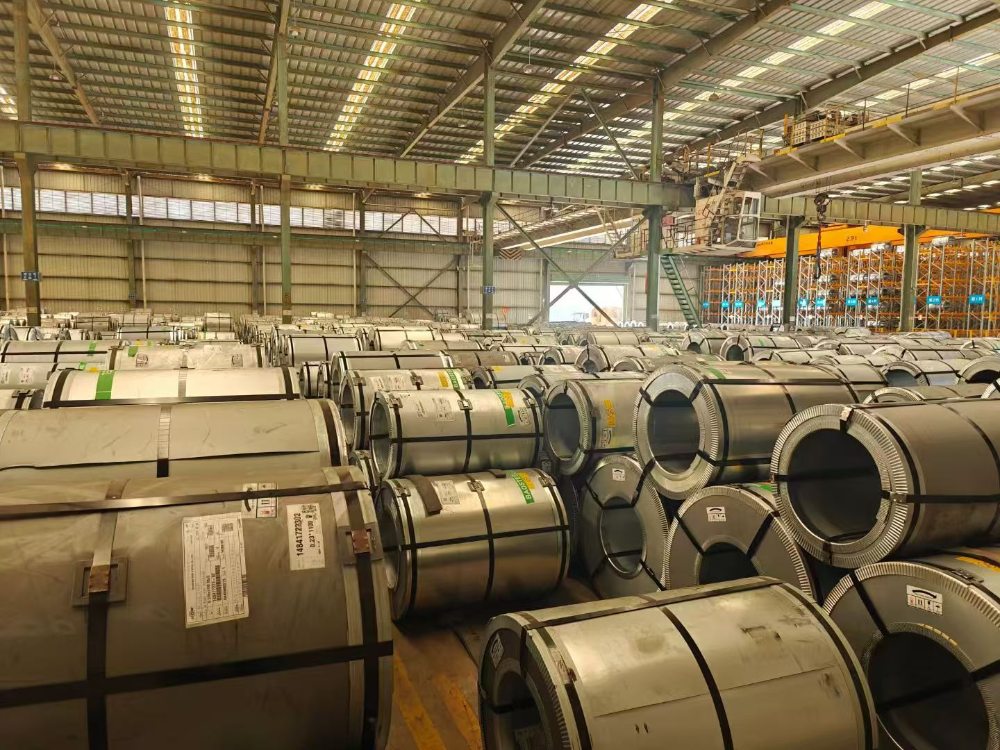
Silicon steel manufacturing begins with the meticulous selection of raw materials, primarily iron ore, silicon, and other trace elements. The process kicks off by melting these components in electric arc furnaces, where precise temperature control is crucial to achieve the desired chemical composition. This initial step sets the foundation for the steel's magnetic properties, ensuring it meets specific standards for applications like transformers and motors.
Once the molten steel reaches the right consistency, it undergoes rolling and annealing. Rolling shapes the steel into thin sheets, while annealing involves heating and slow cooling to relieve internal stresses and enhance grain structure. This phase is vital for optimizing the material's electrical resistivity and magnetic permeability, making it more efficient in energy conversion. Advanced techniques, such as controlled atmosphere annealing, help minimize oxidation and impurities, resulting in a higher-quality product.
The final stages involve coating and quality assurance. A thin insulating layer, often made of phosphate or varnish, is applied to the steel sheets to prevent eddy currents and improve durability. Rigorous testing follows, including magnetic flux density measurements and visual inspections, to ensure each batch performs reliably under real-world conditions. This end-to-end approach highlights how each manufacturing step directly impacts the steel's performance in critical electrical systems.
Key Properties That Define Steel Performance in Electronics
When it comes to steel in electronics, many people think of metal casings or structural supports, but its role is far more nuanced. The performance of steel in these applications hinges on specific properties like electrical conductivity, magnetic characteristics, and corrosion resistance. For instance, in components such as connectors or shielding, steel's ability to conduct electricity efficiently while minimizing energy loss is critical. Different alloys, like stainless steel or silicon steel, are tailored to meet these demands, ensuring devices operate reliably without interference or degradation over time.
Beyond conductivity, steel's magnetic properties play a pivotal role in electronics, particularly in transformers, motors, and inductors. Materials like electrical steel are engineered with low core loss and high permeability, allowing them to handle alternating currents without excessive heat build-up. This not only enhances energy efficiency but also extends the lifespan of electronic devices. By fine-tuning the alloy composition, manufacturers can optimize steel for specific frequencies and applications, making it indispensable in modern power systems and consumer gadgets alike.
Another key aspect is steel's durability in harsh environments, where factors like humidity, temperature fluctuations, and chemical exposure can compromise performance. In electronics, corrosion-resistant steels, often with chromium or nickel additions, prevent rust and ensure long-term functionality. This is especially vital in industrial sensors, medical equipment, or outdoor devices, where failure isn't an option. By balancing these properties—conductivity, magnetism, and resilience—steel continues to evolve, driving innovation in electronics without the bulk or brittleness of alternatives.
Overcoming Common Hurdles in Electrical Steel Processing
Electrical steel, a key material in motors and transformers, often faces processing challenges such as poor surface quality and inconsistent magnetic properties. To tackle this, manufacturers are adopting advanced rolling techniques and precise annealing controls, which reduce defects and enhance performance. For instance, implementing laser welding instead of traditional methods can minimize heat-affected zones, leading to smoother surfaces and better electrical efficiency.
Another major hurdle involves managing silicon content, as high levels improve magnetic permeability but make the material brittle. By fine-tuning alloy compositions and using specialized coatings, processors can achieve a balance that prevents cracking during stamping or cutting. This approach not only boosts durability but also ensures the steel maintains its low core loss characteristics under various operational stresses.
In recent innovations, real-time monitoring systems have emerged as a game-changer, allowing for immediate adjustments in processing parameters like temperature and pressure. These tools help detect issues early, such as oxidation or uneven grain growth, preventing costly rework and improving overall yield. As a result, producers can deliver higher-quality electrical steel that meets stringent industry standards for energy efficiency and reliability.
Innovative Uses Across Industries from Motors to Transformers
From the buzzing heart of automotive engines to the quiet hum of power stations, motors and transformers have long been the unsung heroes of industrial progress. In the automotive sector, the shift toward electric vehicles has revolutionized motor technology, with compact yet powerful electric motors now driving everything from family sedans to heavy-duty trucks, enhancing efficiency and reducing emissions. Meanwhile, in aerospace, advanced motors power critical systems like flight controls and landing gear, where reliability is non-negotiable. These innovations aren't just about raw power; they're enabling smarter, more responsive machines that adapt to real-time demands, saving energy and boosting performance in ways we once only imagined.
Transformers, too, have found fresh applications beyond traditional power grids. In the renewable energy landscape, they're key to integrating wind and solar farms into the electrical supply, stepping up voltage for long-distance transmission with minimal loss. In tech-driven sectors like data centers, specialized transformers ensure stable power delivery to servers, preventing downtime and protecting sensitive equipment from surges. Even in healthcare, medical imaging devices like MRI machines rely on precise transformers to generate the magnetic fields needed for detailed diagnostics, showcasing how these components support cutting-edge science without a second thought.
What sets today's uses apart is their synergy across industries, creating a ripple effect of innovation. For instance, smart motors in manufacturing not only automate assembly lines but also feed data to AI systems for predictive maintenance, slashing costs and boosting uptime. In telecommunications, transformers help manage power in 5G networks, ensuring seamless connectivity in our hyper-connected world. This cross-pollination has led to lighter, more efficient designs that push the boundaries of what's possible, making motors and transformers not just functional parts but catalysts for broader technological leaps, all while blending seamlessly into the fabric of modern life.
Future Trends and Advancements in Silicon Steel Technology
Recent developments in silicon steel technology are poised to push the boundaries of efficiency and performance, aligning with the global shift towards electrification and renewable energy. Researchers are focusing on enhancing grain orientation techniques, which could lead to thinner laminations with significantly reduced core losses, a critical factor in applications like electric vehicle motors and high-frequency transformers. These innovations not only promise to cut energy consumption by up to 20% in some cases but also aim to improve magnetic permeability, enabling more compact and powerful devices.
Another exciting trend involves the integration of nanotechnology into silicon steel production, allowing for precise control of grain boundaries and impurity distribution. This approach is geared towards creating materials that can withstand higher operating temperatures while maintaining structural integrity, thereby expanding their use in harsh industrial environments. Companies are exploring novel coating methods to minimize eddy current losses further, with some prototypes showing a remarkable ability to sustain performance over extended periods without degradation.
Looking ahead, sustainability is taking center stage, with efforts underway to develop recycling-friendly processes and eco-friendly alloys that reduce reliance on rare earth elements. These advancements could reshape supply chains, making silicon steel more accessible and cost-effective for widespread adoption. As these trends converge, we can expect a new generation of silicon steel products that are not only more efficient but also more adaptable to diverse technological demands, from smart grids to next-generation electronics.
FAQ
Silicon steel, also known as electrical steel, is a specialized steel alloy containing silicon. Its importance lies in its high magnetic permeability and low core loss, making it ideal for energy-efficient transformers, motors, and generators.
Different grades vary in silicon content and processing methods. Higher silicon grades typically reduce energy loss and hysteresis, improving efficiency in high-frequency applications, while lower grades might be used in cost-sensitive, lower-demand scenarios.
Beyond transformers, silicon steel is essential in electric vehicle motors, power generators, inductors, and relays, where its magnetic properties enhance performance and energy savings in dynamic systems.
The quality depends on processes like cold rolling and annealing, which control grain orientation. Proper manufacturing reduces impurities and optimizes magnetic domains, directly affecting efficiency and suitability for specific uses.
Challenges include balancing cost versus performance, understanding trade-offs between core loss and saturation flux density, and ensuring material compatibility with manufacturing techniques and environmental conditions.
Innovations like thinner gauges and improved coatings are pushing boundaries, enabling more compact, efficient devices for renewable energy systems and smart grids, driving sustainability in the industry.
Conclusion
Navigating the diverse landscape of electrical steel grades is crucial for modern applications, as these materials directly impact efficiency and performance in electronics. By understanding key properties like magnetic permeability and core loss, manufacturers can select optimal grades for specific uses, from motors to transformers. This guide highlights how to effectively match steel characteristics with application demands, ensuring enhanced functionality across various industries.
In silicon steel manufacturing, core production insights reveal essential steps and common hurdles, such as controlling impurities and achieving precise thickness. Overcoming these challenges through advanced processing techniques leads to improved steel performance. Looking ahead, future trends and advancements in silicon steel technology promise innovative uses and greater efficiency, driving progress in electronics and energy sectors. This comprehensive overview underscores the dynamic role of electrical steel in powering modern technology.
Contact Us
Contact Person: Zoe Liang
Email: [email protected]
Tel/WhatsApp: 86 189 2128 6299
Website: https://www.baowuchina.com