

Are DIY Acoustic Panels as Effective as Professional Ones
2025-12-17
The quest for better sound quality in a home studio, office, or entertainment room often leads to a critical question: should you build your own Acoustic Panels or invest in professional ones? While DIY projects can be rewarding, the effectiveness, safety, and long-term value of professional panels like those from Soundbetter are often superior. Professional solutions are engineered with precise materials and scientific design to target specific frequency issues, ensuring predictable and reliable performance.
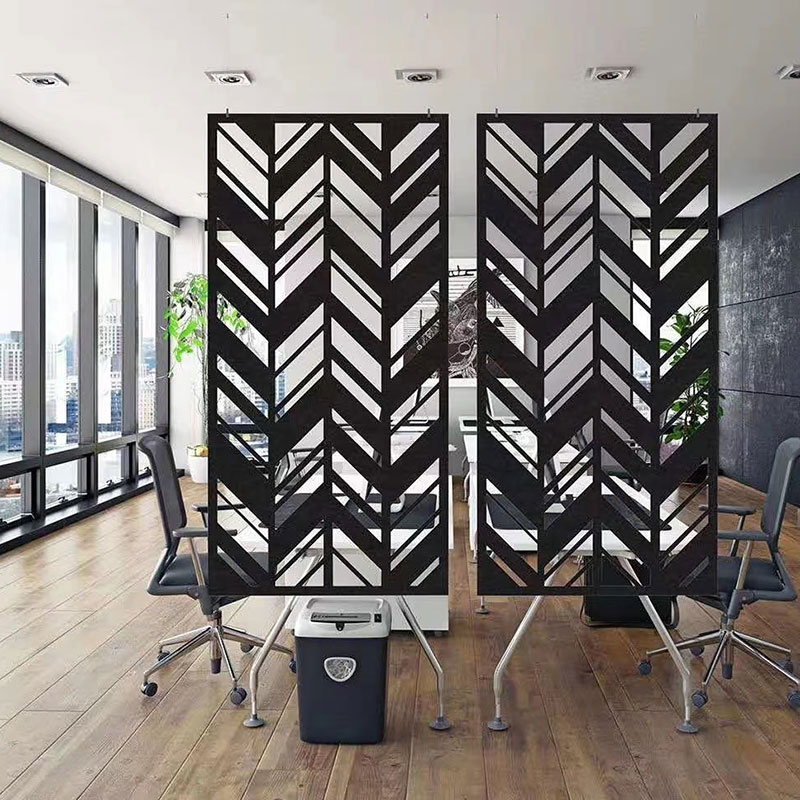
Key Advantages of Professional Acoustic Panels
Choosing a professional-grade product guarantees several benefits that DIY kits struggle to match:
-
Optimal Acoustic Performance: Precisely calibrated materials absorb sound evenly across a wider frequency range.
-
Certified Safety: Professionally manufactured panels meet stringent fire safety and indoor air quality standards.
-
Aesthetic & Durability: Feature durable, acoustically transparent fabrics and robust frames designed to last for years without sagging or degrading.
-
Time & Cost Efficiency: Eliminates the hidden costs and trial-and-error of sourcing materials, building frames, and testing results.
Soundbetter ProSeries: Engineered for Excellence
Our Soundbetter ProSeries panels are not just fabric and foam. They are a complete acoustic solution. Here is a breakdown of what makes them effective:
| Feature | ProSeries Specification | Why It Matters |
|---|---|---|
| Core Material | High-density mineral wool (6 PCF) | Provides superior broadband absorption, especially for problematic low-mid frequencies. |
| NRC Rating | 1.0 (at 2" thickness) | Scientifically measured; indicates the panel absorbs 100% of sound that hits it in tested frequencies. |
| Frame Construction | Kiln-dried wood with metal mounting hardware | Ensures structural integrity, prevents warping, and allows for secure, flush wall mounting. |
| Acoustic Fabric | Class A fire-rated, breathable woven fabric | Ensures safety, maximizes sound absorption, and offers a professional, durable finish. |
| Standard Sizes | 2'x4', 2'x2', 4'x4' | Offers flexible coverage options for walls and ceilings to combat specific room modes and reflections. |
Acoustic Panels FAQ
Q: Can I just use foam egg crates or mattress foam instead of proper panels?
A: No. These materials are ineffective for true acoustic treatment. They only absorb very high frequencies, leaving lower, muddy frequencies untouched. This creates an unbalanced, boomy sound environment. Proper Acoustic Panels use dense, porous materials like mineral wool or fiberglass to absorb a full spectrum of sound.
Q: How many panels do I typically need for a small home studio?
A: A good starting point is covering 15-25% of your total wall surface area, focusing on first reflection points (where sound directly bounces from speakers to your ears). For a standard 10'x12' room, 6 to 8 Soundbetter 2'x4' panels strategically placed can dramatically improve clarity and reduce flutter echo.
Q: Do acoustic panels also block sound from leaving the room (soundproofing)?
A: A common misconception. Acoustic Panels are designed for sound absorption (improving sound inside a room). Soundproofing (blocking sound transmission between rooms) requires a different approach: adding mass, damping, and decoupling to walls, ceilings, and floors. Our Soundbetter panels are optimized for acoustic treatment, not isolation.
While DIY panels can be a fun project, their performance is inconsistent and often lacks the safety and durability of professional products. For reliable, effective, and safe acoustic treatment that delivers measurable results, engineered solutions are the clear choice.
Ready to transform your space with guaranteed acoustic performance? Contact us today to discuss your project with our experts or explore the technical specifications of the Soundbetter ProSeries line on our website. Let us help you achieve perfect sound.