

Can A-FRPM composite pipes maintain long-term performance in highly corrosive environments
2026-10-15
When selecting pipeline solutions for harsh industrial and civil engineering scenarios, Zhineng’s A-FRPM Composite Pipes stand out as a reliable choice that balances structural strength and environmental adaptability. Many project engineers and facility managers face persistent challenges with conventional metal pipes, which often suffer from rapid degradation when exposed to saltwater, acidic or alkaline media over extended operation cycles. This article breaks down the performance of A-FRPM Composite Pipes in highly corrosive environments, backed by verified test data and real-world application cases, to help you make informed decisions for your next pipeline project.
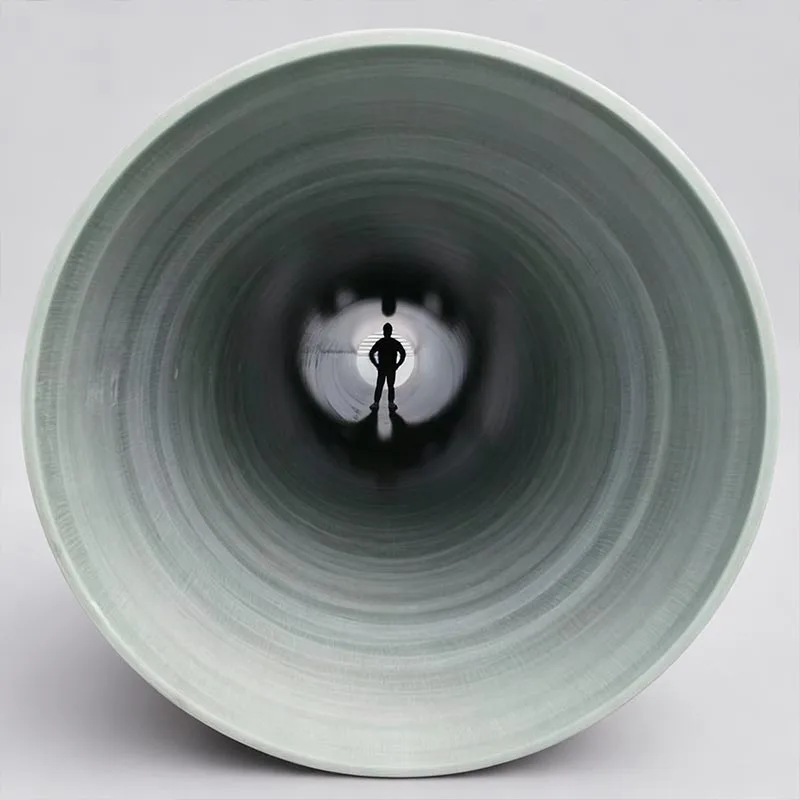
Core Performance Test Data in Corrosive Conditions
To validate long-term reliability, Zhineng conducted 12-month continuous immersion tests for A-FRPM Composite Pipes in three typical highly corrosive media, with results recorded in the table below:
|
Corrosive Medium |
Test Temperature |
Maximum Mass Change Rate |
Residual Tensile Strength Retention |
|---|---|---|---|
|
30% Hydrochloric Acid Solution |
25℃ |
0.32% |
94.7% |
|
Saturated Sodium Chloride Solution |
50℃ |
0.27% |
96.2% |
|
20% Sodium Hydroxide Solution |
40℃ |
0.41% |
93.5% |
The test data confirms that A-FRPM Composite Pipes avoid the electrochemical corrosion issues that plague traditional steel pipes. The continuous fiber-reinforced polymer matrix forms a dense barrier layer, which effectively blocks the penetration of corrosive ions, ensuring structural stability even after long-term exposure.
Key Design Advantages for Corrosion Resistance
-
Integral anti-corrosion structure: Unlike metal pipes that require additional external anti-corrosion coatings, Zhineng’s A-FRPM Composite Pipes integrate corrosion-resistant materials into the entire pipe wall, eliminating the risk of coating peeling and local corrosion.
-
Customizable material formulation: The polymer matrix can be adjusted according to the specific corrosive components in the project site, to further optimize the medium adaptability of the pipeline.
-
Low fluid resistance: The smooth inner wall of the pipe will not produce corrosion scaling, which maintains stable fluid transmission efficiency for a long time and reduces the energy consumption of pipeline operation.
A-FRPM Composite Pipes FAQ
Q: Can A-FRPM Composite Pipes be directly buried in coastal saline soil with high salt content without additional anti-corrosion treatment? A: Yes. The test data shows that after 1000 days of burial simulation in coastal saline soil, the mass change rate of the pipe wall is less than 0.3%, and the ring stiffness retention rate is higher than 95%, which can fully meet the long-term use requirements without extra anti-corrosion protection.
Q: What is the expected service life of A-FRPM Composite Pipes when used to transport industrial wastewater containing weak acid and weak alkali? A: Under the condition that the medium temperature does not exceed 60℃ and the pH value is controlled between 2 and 12, the design service life of Zhineng’s A-FRPM Composite Pipes can reach more than 50 years, far exceeding the service life of ordinary carbon steel pipes in the same scenario.
Q: Will the cutting and on-site connection operations of A-FRPM Composite Pipes damage its overall anti-corrosion performance? A: No. The matching special sealing connection process provided by Zhineng can make the joint area reach the same corrosion resistance level as the main pipe body. After on-site cutting, the end face can be simply sealed with supporting anti-corrosion putty, which will not cause local corrosion damage.
If you are looking for a durable, high-cost-performance pipeline solution for highly corrosive working conditions, Zhineng’s A-FRPM Composite Pipes can provide you with professional customized design, sample testing and full-cycle technical support. Contact us today to get the exclusive project solution and performance test report, and help your pipeline project avoid hidden corrosion risks throughout its life cycle.