

Does BA10 Bacteriostatic Water for Reconstitution Expire, and How Should It Be Stored
2026-11-18
Understanding the shelf life and proper handling of BA10 Bacteriostatic Water for Reconstitution is essential for anyone working with reconstituted peptides, lyophilized powders, or injectable preparations. At JinBei, we manufacture BA10 Bacteriostatic Water for Reconstitution under strict quality controls, and we regularly receive questions about expiry dates, storage conditions, and post-opening stability. This guide answers those questions with practical, evidence-based guidance.
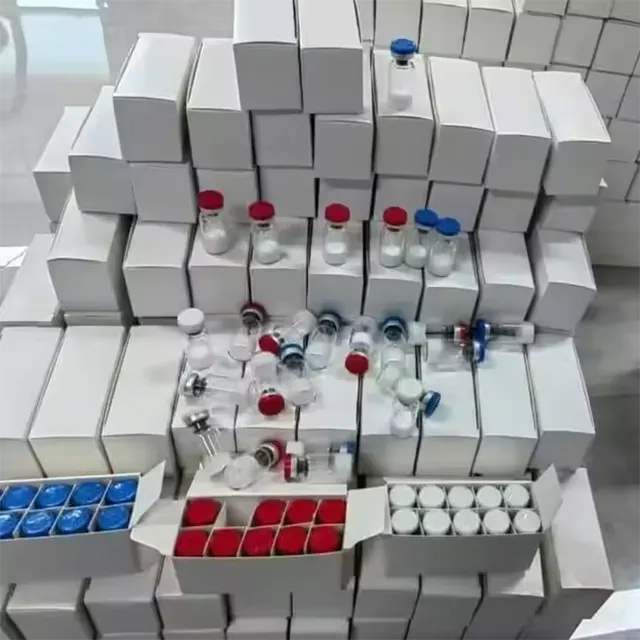
Why Expiry and Storage Matter for BA10 Bacteriostatic Water for Reconstitution
BA10 Bacteriostatic Water for Reconstitution contains 0.9% benzyl alcohol as a bacteriostatic preservative, which inhibits bacterial growth but does not sterilize a solution. That distinction is central to understanding expiry: the product has a labeled shelf life in its sealed vial, and a separate, shorter usable window once the septum has been punctured.
| Stage | Typical Guidance | Key Consideration |
|---|---|---|
| Sealed, unopened vial | Use before the manufacturer's printed expiry date | Store at controlled room temperature, protected from light |
| After first puncture | Often up to 28 days when stored refrigerated | Depends on technique, environment, and preservative efficacy |
| Reconstituted peptide solution | Typically 2–4 weeks refrigerated | Follow the specific peptide's stability data |
JinBei recommends always treating the printed expiry date on the vial as authoritative and recording the puncture date on the label.
How Should BA10 Bacteriostatic Water for Reconstitution Be Stored?
Proper storage preserves both sterility and preservative performance. Follow these professional practices:
-
Temperature: Store unopened vials at 20–25°C (68–77°F); avoid freezing, which can compromise the container-closure system.
-
Light protection: Keep vials in their original carton or a dark storage area.
-
Aseptic technique: Swab the septum with 70% isopropyl alcohol and allow it to dry before each puncture.
-
Refrigeration after opening: Store punctured vials at 2–8°C and return them promptly after use.
-
Labeling: Record the date of first use directly on the vial.
-
Inspection: Discard any vial showing cloudiness, particulates, or discoloration.
Frequently Asked Questions
Does BA10 Bacteriostatic Water for Reconstitution expire after opening?
Yes, once punctured, BA10 Bacteriostatic Water for Reconstitution should generally be discarded after 28 days even if refrigerated, because repeated needle entries increase contamination risk.
Can BA10 Bacteriostatic Water for Reconstitution be frozen for long-term storage?
Freezing is not recommended, as it may damage the vial seal and alter the preservative system; store BA10 Bacteriostatic Water for Reconstitution at room temperature or refrigerated after opening.
Is expired BA10 Bacteriostatic Water for Reconstitution safe to use?
No, expired BA10 Bacteriostatic Water for Reconstitution should never be used, since preservative efficacy and sterility assurance cannot be guaranteed beyond the labeled date.
How do I verify the quality of BA10 Bacteriostatic Water for Reconstitution from JinBei?
Each JinBei vial includes a batch number and expiry date; retain the certificate of analysis and inspect the solution against a light source before every use.
Contact Us
For batch documentation, storage guidance, or wholesale inquiries about BA10 Bacteriostatic Water for Reconstitution, contact us at JinBei today — our technical team will help you select the right configuration and maintain full compliance across your supply chain.