

How Can a Corrosion Resistant Duct Improve Industrial Air System Reliability?
2026-03-26
Article Summary
Corrosion resistant duct systems are essential for industries dealing with aggressive chemicals, moisture, and high-temperature environments. Traditional duct materials often fail under such conditions, leading to frequent maintenance, safety risks, and increased operational costs. This article explores how corrosion resistant ducts work, their key benefits, material options, and how to select the right system. It also provides practical insights into installation, maintenance, and common customer concerns to help you make an informed decision.
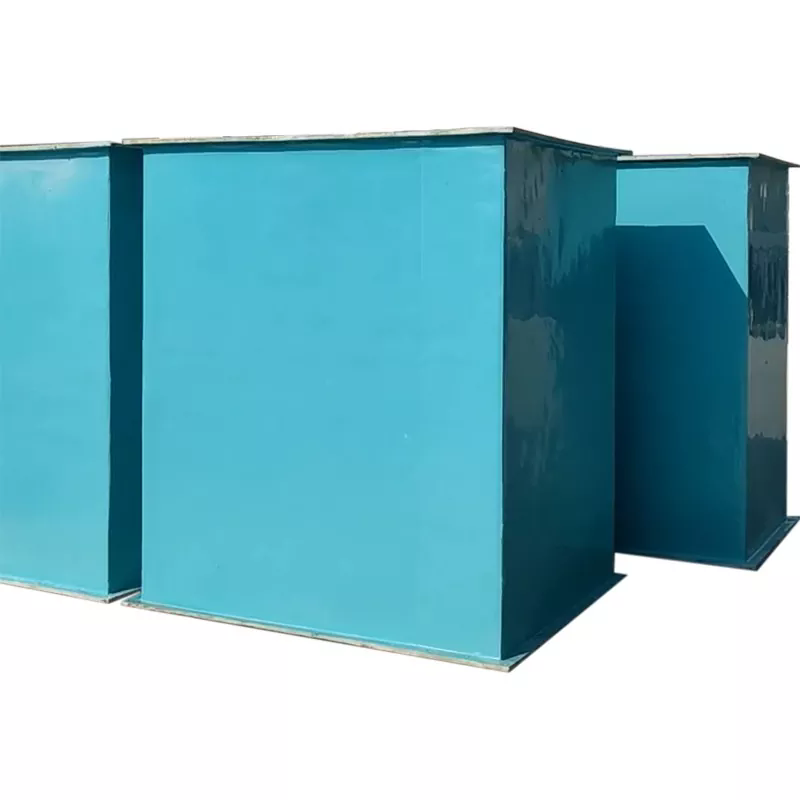
Table of Contents
- 1. What Is a Corrosion Resistant Duct?
- 2. How Does a Corrosion Resistant Duct Work?
- 3. Why Do Industrial Systems Need Corrosion Resistance?
- 4. Key Materials Used in Corrosion Resistant Ducts
- 5. Performance Comparison Table
- 6. How to Choose the Right Corrosion Resistant Duct
- 7. Installation and Maintenance Best Practices
- 8. Common Customer Pain Points Solved
- 9. Frequently Asked Questions
- 10. Conclusion
1. What Is a Corrosion Resistant Duct?
A corrosion resistant duct is a specialized air or gas transport system designed to withstand harsh environments where traditional metal ducts would degrade. These ducts are commonly used in chemical plants, wastewater treatment facilities, laboratories, and industrial manufacturing environments.
Unlike standard galvanized steel ducts, corrosion resistant ducts are made from advanced materials such as fiberglass reinforced plastic (FRP), PVC, or polypropylene, which offer superior resistance to chemical attack, moisture, and oxidation.
2. How Does a Corrosion Resistant Duct Work?
Corrosion resistant ducts function by combining chemically stable materials with engineered structural design. The inner surface resists chemical reactions, while the outer layers provide strength and durability.
- Non-metallic materials prevent rust and oxidation
- Smooth inner walls reduce particle buildup
- Sealed joints minimize leakage and contamination
- Protective resin layers resist acids and alkalis
This combination ensures long-term performance even in highly aggressive environments where standard duct systems would fail rapidly.
3. Why Do Industrial Systems Need Corrosion Resistance?
Industries dealing with corrosive gases and liquids face significant challenges when using conventional duct systems. Corrosion can lead to system failure, environmental hazards, and costly downtime.
- Safety Risks: Corroded ducts can leak hazardous gases
- High Maintenance Costs: Frequent replacements increase expenses
- Operational Downtime: System failures disrupt production
- Regulatory Compliance: Environmental standards require durable systems
A corrosion resistant duct eliminates these issues by providing a stable and reliable airflow solution.
4. Key Materials Used in Corrosion Resistant Ducts
Selecting the right material is critical for ensuring long-term durability and performance.
- FRP (Fiberglass Reinforced Plastic): Excellent chemical resistance and high strength
- PVC: Cost-effective and suitable for moderate corrosive environments
- PP (Polypropylene): High resistance to acids and lightweight
- PVDF: Superior chemical resistance for extreme conditions
Jiangsu Ousheng Fiberglass Reinforced Plastic Manufacturing Co., Ltd specializes in FRP duct systems that combine strength, corrosion resistance, and long service life, making them ideal for demanding industrial applications.
5. Performance Comparison Table
| Material | Corrosion Resistance | Temperature Range | Strength | Cost Level |
| FRP | Excellent | High | High | Medium |
| PVC | Good | Moderate | Medium | Low |
| PP | Very Good | Moderate | Medium | Medium |
| PVDF | Outstanding | Very High | High | High |
6. How to Choose the Right Corrosion Resistant Duct
Choosing the right duct system requires evaluating several technical and environmental factors.
- Chemical Exposure: Identify the type and concentration of corrosive substances
- Temperature Conditions: Ensure material compatibility with operating temperatures
- Airflow Requirements: Consider pressure and velocity needs
- Installation Environment: Indoor or outdoor conditions
- Budget Constraints: Balance cost with long-term durability
Working with an experienced manufacturer ensures that the duct system is properly engineered for your specific application.
7. Installation and Maintenance Best Practices
Proper installation and maintenance significantly extend the lifespan of corrosion resistant ducts.
- Ensure proper sealing of all joints
- Use compatible fittings and adhesives
- Avoid mechanical stress during installation
- Conduct periodic inspections for wear or damage
Routine maintenance ensures optimal performance and reduces the risk of unexpected failures.
8. Common Customer Pain Points Solved
Many customers switch to corrosion resistant ducts after experiencing repeated failures with traditional systems.
- Frequent Replacement: FRP ducts offer longer service life
- Leakage Issues: Improved sealing technology reduces leaks
- High Energy Costs: Smooth surfaces improve airflow efficiency
- System Downtime: Reliable materials minimize disruptions
These solutions directly translate into improved productivity and reduced operational costs.
9. Frequently Asked Questions
Q1: How long does a corrosion resistant duct last?
Depending on the material and environment, corrosion resistant ducts can last 10–25 years or more with proper maintenance.
Q2: Is FRP better than metal ducts?
In corrosive environments, FRP significantly outperforms metal ducts due to its resistance to rust and chemical degradation.
Q3: Can these ducts handle high temperatures?
Yes, especially materials like FRP and PVDF, which are designed for elevated temperature conditions.
Q4: Are corrosion resistant ducts expensive?
While the initial cost may be higher than traditional ducts, the long-term savings from reduced maintenance and replacement make them highly cost-effective.
10. Conclusion
Corrosion resistant ducts are a vital investment for industries operating in harsh environments. They provide unmatched durability, safety, and efficiency compared to traditional duct systems. By selecting the right material and ensuring proper installation, businesses can significantly reduce maintenance costs and improve operational reliability.
Jiangsu Ousheng Fiberglass Reinforced Plastic Manufacturing Co., Ltd offers high-quality corrosion resistant duct solutions tailored to meet diverse industrial needs with precision and reliability.
If you are looking to upgrade your ventilation or exhaust system with a durable and efficient solution, contact us today to discover how our advanced duct systems can support your operations and deliver long-term value.