

How Can Anti-Corrosion Steel Pipes Extend the Lifespan of Industrial Projects?
2026-06-15
Published by Juming
Industrial facilities constantly face harsh environments, including moisture, chemicals, salt spray, underground soil erosion, and extreme temperatures. Without proper protection, ordinary steel pipes can quickly deteriorate, causing leaks, unexpected shutdowns, and expensive maintenance costs.
Anti-Corrosion Steel Pipes are specifically engineered to overcome these challenges. By applying advanced protective coatings and utilizing strict manufacturing standards, these pipes deliver superior durability, longer service life, and lower total ownership costs for industries worldwide.
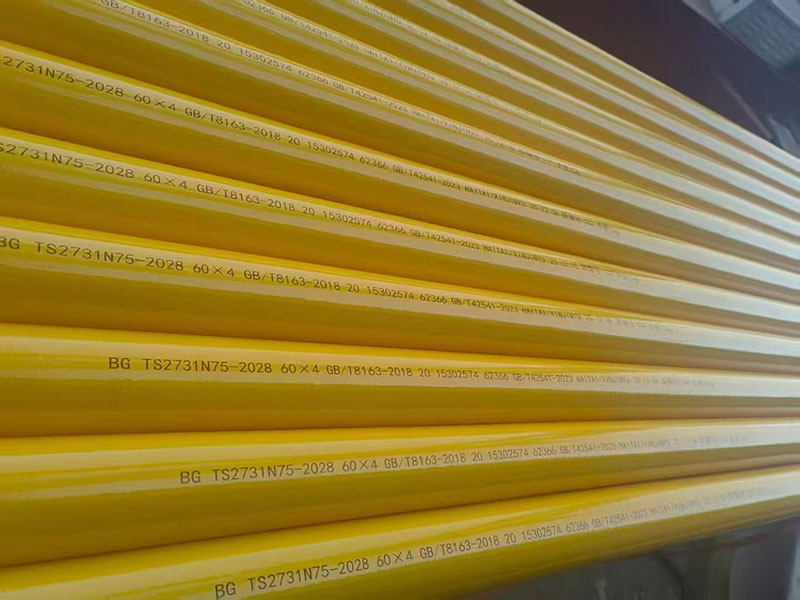
Article Summary
This guide explains how Anti-Corrosion Steel Pipes work, their advantages, coating options, industrial applications, selection criteria, and maintenance recommendations. Whether you are planning an oil pipeline, municipal water system, marine infrastructure project, or industrial facility, understanding these solutions can help you reduce risks and maximize your investment.
Table of Contents
- 1. What Are Anti-Corrosion Steel Pipes?
- 2. Why Is Corrosion a Serious Problem?
- 3. How Do Anti-Corrosion Steel Pipes Work?
- 4. Main Types of Protective Coatings
- 5. Industrial Applications
- 6. Key Benefits for Buyers
- 7. How to Choose the Right Pipe
- 8. Common Mistakes to Avoid
- 9. Why Choose Juming?
- 10. FAQ
Project Outline
- Introduction to Anti-Corrosion Steel Pipes
- Corrosion Challenges Across Industries
- Working Principles of Protective Systems
- Comparison of Coating Technologies
- Practical Industrial Applications
- Investment and Cost Advantages
- Selection Guidelines
- Maintenance Best Practices
- Supplier Evaluation
- Frequently Asked Questions
1. What Are Anti-Corrosion Steel Pipes?
Anti-Corrosion Steel Pipes are specially manufactured steel pipes protected by one or multiple anti-corrosion layers that prevent direct contact between the steel surface and external corrosive environments.
These protective systems significantly slow down oxidation, chemical reactions, and electrochemical corrosion processes.
Unlike conventional pipes, they are designed for long-term performance in demanding conditions such as:
- Underground installations
- Marine environments
- Chemical plants
- Oil and gas transportation
- Municipal infrastructure
- Industrial water systems
- Power generation facilities
The service life of high-quality anti-corrosion steel pipes can exceed 30 to 50 years when properly installed and maintained.
2. Why Is Corrosion a Serious Problem?
Corrosion is one of the most expensive challenges facing industrial infrastructure worldwide.
When untreated steel is exposed to environmental factors, several problems can occur:
- Surface rust development
- Wall thickness reduction
- Structural weakening
- Fluid leakage
- Contamination risks
- Operational downtime
- High repair expenses
- Safety hazards
Even small corrosion points can rapidly expand if left untreated, leading to complete system failure.
Preventive investment is always significantly cheaper than emergency replacement projects.
3. How Do Anti-Corrosion Steel Pipes Work?
The primary principle is to isolate the steel surface from harmful environmental elements.
Protective coatings create a barrier that blocks:
- Water penetration
- Oxygen exposure
- Chemical attacks
- Salt intrusion
- Microbial activity
- Electrochemical reactions
Some systems also incorporate cathodic protection to further reduce corrosion rates.
Multiple layers may include:
- Epoxy primer
- Adhesive layer
- Polyethylene outer coating
- Polypropylene protective layer
Together, these layers create a durable defense system that extends pipeline longevity.
4. Main Types of Protective Coatings
| Coating Type | Main Advantages | Typical Applications |
|---|---|---|
| 3PE Coating | Excellent mechanical protection and moisture resistance | Oil and gas pipelines |
| 3PP Coating | Superior high-temperature resistance | Industrial processing facilities |
| FBE Coating | Strong adhesion and chemical resistance | Underground pipelines |
| Coal Tar Epoxy | Outstanding water resistance | Municipal water systems |
| Galvanized Coating | Economical corrosion protection | Construction projects |
Each coating technology serves different environmental requirements, so proper selection is essential.
5. Industrial Applications
Anti-Corrosion Steel Pipes are widely used across multiple industries.
- Oil and Gas: Long-distance transportation pipelines.
- Water Supply: Municipal water distribution systems.
- Wastewater Treatment: Sewage transportation networks.
- Marine Engineering: Offshore platforms and ports.
- Power Plants: Cooling water systems.
- Chemical Processing: Chemical transportation lines.
- Fire Protection: Sprinkler systems.
- Mining: Slurry transportation.
These industries depend on reliability because operational interruptions can create enormous financial losses.
6. Key Benefits for Buyers
Investing in anti-corrosion solutions delivers substantial advantages.
| Benefit | Business Impact |
|---|---|
| Longer Service Life | Reduced replacement frequency |
| Lower Maintenance Costs | Less downtime and fewer repairs |
| Improved Safety | Reduced leakage risks |
| Higher Reliability | Stable operations |
| Environmental Protection | Reduced contamination incidents |
| Better ROI | Lower lifecycle costs |
While anti-corrosion pipes may require a higher initial investment, the long-term savings are substantial.
7. How to Choose the Right Pipe
Before purchasing, buyers should evaluate several important factors.
Environmental Conditions
- Humidity levels
- Soil composition
- Salt concentration
- Chemical exposure
Operating Conditions
- Working temperature
- Pressure requirements
- Flow rate
- Transported materials
Technical Specifications
- Pipe diameter
- Wall thickness
- Coating thickness
- International standards
Working with experienced manufacturers can simplify the selection process and reduce project risks.
8. Common Mistakes to Avoid
Many buyers make avoidable purchasing mistakes.
- Choosing pipes based only on price
- Ignoring environmental conditions
- Selecting unsuitable coating systems
- Skipping quality inspections
- Using uncertified suppliers
- Neglecting long-term maintenance planning
These mistakes often result in expensive repairs within only a few years.
9. Why Choose Juming?
Juming specializes in providing high-quality Anti-Corrosion Steel Pipes for global industrial customers.
The company focuses on delivering dependable solutions that meet international project requirements.
Advantages of working with Juming include:
- Strict quality control procedures
- Advanced coating technologies
- Custom manufacturing capabilities
- International export experience
- Reliable delivery schedules
- Professional technical support
- Comprehensive project consultation
Juming understands that every infrastructure project has unique challenges. Its engineering team works closely with customers to provide customized pipeline solutions that improve efficiency and long-term durability.
10. Frequently Asked Questions (FAQ)
Q1: How long do Anti-Corrosion Steel Pipes last?
Depending on environmental conditions and maintenance practices, they can last between 30 and 50 years or longer.
Q2: Are Anti-Corrosion Steel Pipes suitable for underground installation?
Yes. They are specifically designed for underground applications and harsh environments.
Q3: Which coating is best for oil and gas projects?
3PE coatings are among the most widely used solutions because they provide excellent mechanical and moisture protection.
Q4: Are these pipes more expensive?
Initial costs may be higher, but long-term operational savings are significantly greater.
Q5: Can custom specifications be manufactured?
Yes. Juming can provide customized dimensions, coating systems, and technical specifications according to project requirements.
Final Thoughts
Selecting the right Anti-Corrosion Steel Pipes is an important investment decision that directly affects project safety, operational efficiency, and long-term costs. High-quality protective systems minimize maintenance expenses, reduce unexpected failures, and ensure stable performance for decades.
If you are looking for dependable Anti-Corrosion Steel Pipe solutions for your next industrial, municipal, oil and gas, marine, or infrastructure project, Juming is ready to support your business with professional expertise and customized manufacturing services.
Need expert guidance for your project? Contact Juming today to discuss your requirements, receive technical support, and get a customized quotation. Contact us now and let our specialists help you build safer, stronger, and longer-lasting pipeline systems.