

How Do Laminated PVC Wall Panels Transform Interior Spaces?
2026-02-28
Article Summary
Laminated PVC wall panels have emerged as a versatile and cost-effective alternative to traditional wall finishes, offering remarkable durability, moisture resistance, and design flexibility. This comprehensive guide explains what laminated PVC wall panels are, how they work, key benefits, installation considerations, and how they compare with other wall solutions. Whether you are a homeowner, contractor, or designer, this article addresses common concerns and helps you make informed decisions.
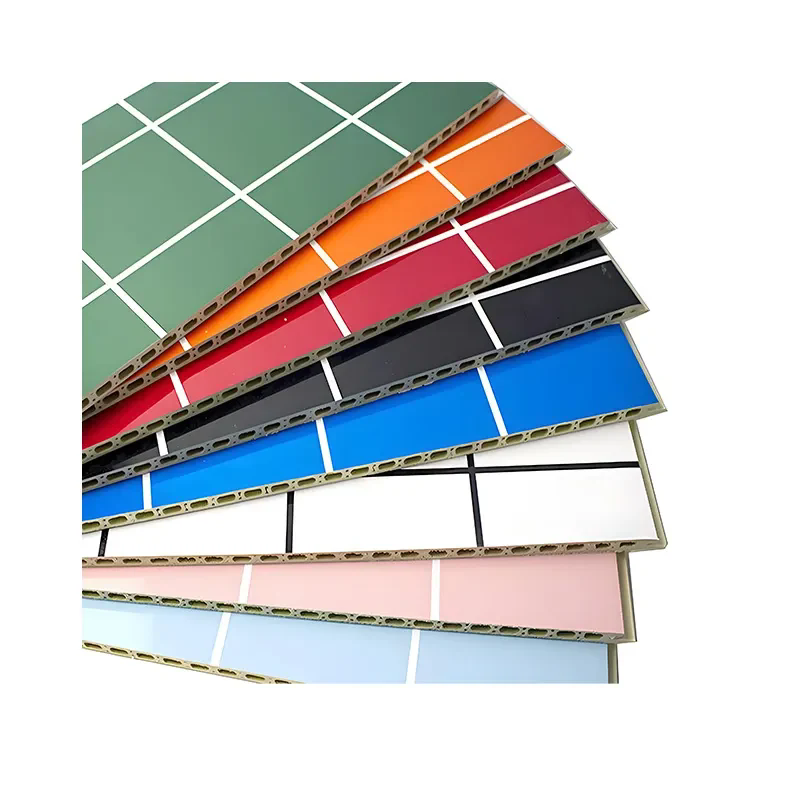
Table of Contents
- Content Outline
- What Are Laminated PVC Wall Panels?
- Common Customer Pain Points
- Key Benefits of Laminated PVC Wall Panels
- Material and Structural Components
- Installation and Maintenance
- Comparison with Other Wall Materials
- Frequently Asked Questions
- Conclusion and Contact Us
Content Outline
- Define laminated PVC wall panels and key features
- Identify common challenges customers face with wall finishes
- Highlight performance and aesthetic advantages
- Provide installation guidelines and care tips
- Compare with traditional wall materials
- Answer frequently asked questions
What Are Laminated PVC Wall Panels?
Laminated PVC wall panels are engineered plastic panels designed for interior wall finishes in both residential and commercial environments. These panels consist of a core PVC substrate and a decorative laminated surface that simulates wood, tile, or other design aesthetics. They are lightweight, easy to install, and resistant to moisture and impact, making them ideal for areas like kitchens, bathrooms, laundries, offices, and retail spaces.
Unlike conventional wall materials such as ceramic tile or painted gypsum board, laminated PVC wall panels combine functional performance with design versatility. Retent’s laminated PVC wall panels are manufactured to high standards, ensuring uniform thickness, surface smoothness, and durability for long-term performance.
Common Customer Pain Points
Before choosing a wall finishing material, customers often encounter several concerns. These issues influence budget decisions, aesthetics, and long-term maintenance requirements.
- Difficulty finding a material that resists moisture and mold
- High installation labor and material costs
- Tedious maintenance and cleaning requirements
- Limited design options with traditional finishes
- Susceptibility to cracking, chipping, or staining over time
Understanding how laminated PVC wall panels address these challenges helps buyers assess whether they are the right solution for their space.
Key Benefits of Laminated PVC Wall Panels
Laminated PVC wall panels deliver a combination of functional and aesthetic benefits that make them a compelling choice for modern interiors.
- Moisture and Water Resistance: Ideal for wet areas like bathrooms and kitchens
- Low Maintenance: Easy to clean with standard household cleaners
- Impact Resistance: Durable surface withstands everyday wear
- Design Diversity: Available in a wide range of colors and patterns
- Quick Installation: Lightweight panels reduce labor time and cost
Material and Structural Components
The performance of laminated PVC wall panels is determined by their material composition and manufacturing quality. Key components include:
- PVC Core: Provides structural stability and helps resist deformation
- Laminated Surface: Decorative layer featuring patterns or textures
- Protective Coating: Enhances durability and facilitates cleaning
High-quality laminated PVC wall panels, such as those produced by Retent, undergo strict quality control to ensure consistent thickness, bonding strength, and surface integrity for reliable performance.
Installation and Maintenance
One of the main advantages of laminated PVC wall panels is their ease of installation and low maintenance requirements. The lightweight nature of the panels simplifies handling, and they can be cut on-site with standard tools.
Basic installation steps include:
- Preparing the wall surface to be clean and level
- Measuring and cutting panels to fit
- Applying an appropriate adhesive or mechanical fasteners
- Finishing edges and seams with trim accessories
Routine maintenance involves wiping the surface with a damp cloth or non-abrasive cleaner. Panels do not require painting or sealing, reducing long-term maintenance costs.
Comparison with Other Wall Materials
| Feature | Laminated PVC Wall Panels | Ceramic Tile | Painted Drywall |
|---|---|---|---|
| Moisture Resistance | High | Very High | Low |
| Installation Time | Short | Long | Moderate |
| Maintenance | Low | Moderate | High |
| Design Options | Wide | Variable | Variable |
| Cost | Moderate | High | Low |
Frequently Asked Questions
Are laminated PVC wall panels suitable for bathrooms?
Yes, their moisture resistance makes them ideal for bathrooms and other wet areas.
Can laminated PVC wall panels mimic real wood or tile?
Yes, advanced lamination technology allows realistic wood grain, stone, and tile finishes.
How long do laminated PVC wall panels last?
With proper installation and care, they can last many years without significant wear or discoloration.
Are these panels easy to replace?
Yes, individual panels can be removed and replaced if damaged without affecting adjacent panels.
Conclusion and Contact Us
Laminated PVC wall panels offer a practical, attractive, and cost-effective solution for a wide range of interior environments. Their resistance to moisture, ease of installation, and low maintenance requirements make them a smart choice for both residential and commercial projects. Whether updating a bathroom, renovating a kitchen, or finishing a retail space, laminated PVC panels deliver long-lasting performance and design flexibility.
Retent provides high-quality laminated PVC wall panels engineered for consistent performance and visual appeal. If you are considering wall panel solutions for your next project and want expert guidance or product support, contact us today to discover how Retent can support your needs and help deliver exceptional results.