

How Do Thermal Break Windows Enhance Energy Efficiency and Indoor Comfort?
2026-03-23
Article Summary
Thermal break windows are an advanced solution designed to reduce heat transfer, improve insulation, and enhance indoor comfort. This article explains how thermal break technology works, why it is increasingly preferred in modern construction, and how it addresses common customer concerns such as energy loss, condensation, and noise insulation. Detailed comparisons, technical parameters, and practical guidance are provided to help readers make informed decisions.
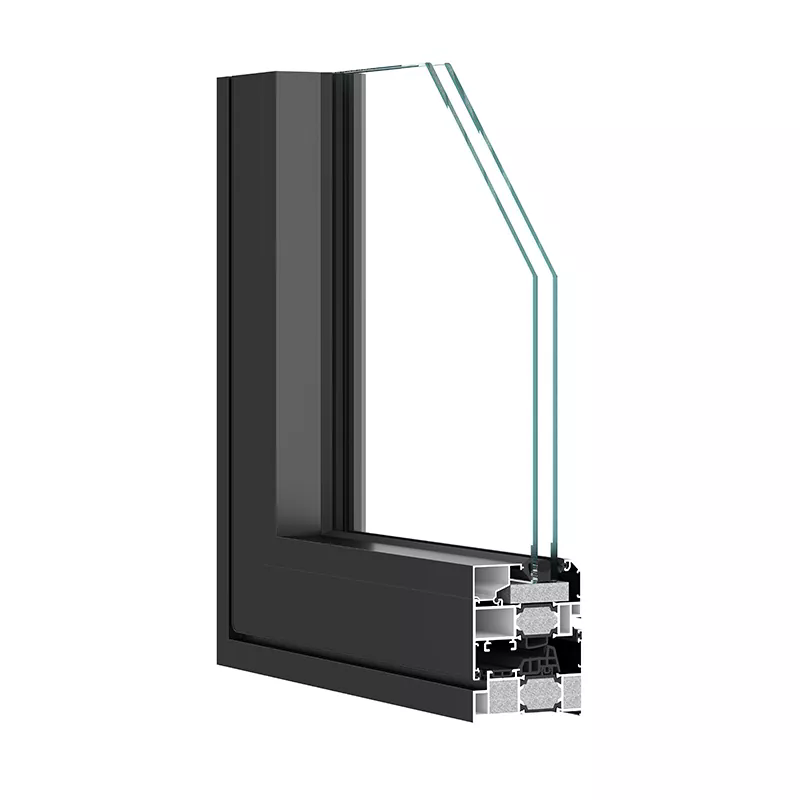
Table of Contents
- 1. What Are Thermal Break Windows?
- 2. How Do Thermal Break Windows Work?
- 3. Key Benefits for Homeowners and Businesses
- 4. Technical Features and Parameters
- 5. Comparison with Traditional Windows
- 6. How to Choose the Right Thermal Break Windows
- 7. Installation and Maintenance Tips
- 8. Frequently Asked Questions
- 9. Conclusion
1. What Are Thermal Break Windows?
Thermal break windows are specially engineered window systems that incorporate an insulating barrier within the frame to reduce heat transfer. Typically, these windows use aluminum frames combined with a non-conductive material such as polyamide to create a "break" between the interior and exterior surfaces.
Unlike standard aluminum windows, which conduct heat easily, thermal break windows significantly improve insulation performance. This makes them ideal for residential buildings, commercial projects, and high-performance construction environments.
2. How Do Thermal Break Windows Work?
The core principle behind thermal break windows lies in interrupting the flow of thermal energy. Aluminum, while strong and lightweight, is a highly conductive material. Without insulation, it allows heat or cold to pass through quickly.
Thermal break technology introduces a barrier that separates the inner and outer aluminum profiles. This barrier:
- Reduces heat transfer between indoor and outdoor environments
- Minimizes energy loss during heating or cooling
- Improves overall thermal resistance
- Prevents condensation buildup on window frames
This design ensures that indoor temperatures remain stable regardless of external weather conditions.
3. Key Benefits for Homeowners and Businesses
Thermal break windows solve several common problems faced by property owners. Their advantages extend beyond basic insulation.
- Energy Efficiency: Reduces heating and cooling costs
- Improved Comfort: Maintains consistent indoor temperature
- Condensation Prevention: Minimizes moisture buildup
- Noise Reduction: Enhances acoustic insulation
- Durability: Maintains structural integrity over time
For commercial applications, these benefits translate into lower operational costs and improved environmental performance.
4. Technical Features and Parameters
| Parameter | Description |
| Frame Material | Aluminum with thermal break barrier |
| Insulation Material | Polyamide or similar non-conductive material |
| Glass Type | Double or triple glazing |
| Thermal Performance | Low U-value for better insulation |
| Sound Insulation | Enhanced noise reduction capability |
| Weather Resistance | High resistance to wind, rain, and temperature changes |
| Application | Residential, commercial, industrial buildings |
Products developed by Duoping integrate advanced thermal break structures with precision manufacturing to ensure reliable and long-lasting performance.
5. Comparison with Traditional Windows
Understanding the differences between thermal break windows and traditional systems helps clarify their value.
| Feature | Thermal Break Windows | Traditional Aluminum Windows |
| Heat Transfer | Low | High |
| Energy Efficiency | High | Low |
| Condensation | Minimal | Frequent |
| Comfort Level | Stable indoor climate | Temperature fluctuations |
| Noise Reduction | Better insulation | Limited performance |
The comparison clearly demonstrates why thermal break windows are increasingly preferred in modern construction.
6. How to Choose the Right Thermal Break Windows
Selecting the appropriate thermal break window system requires consideration of multiple factors.
- Climate Conditions: Choose insulation levels based on temperature variations
- Glass Configuration: Double or triple glazing depending on performance needs
- Frame Thickness: Thicker profiles offer better insulation
- Sealing Quality: Ensure airtight and watertight performance
- Supplier Reliability: Work with experienced manufacturers
Evaluating these elements ensures optimal performance and long-term value.
7. Installation and Maintenance Tips
Proper installation is essential to maximize the benefits of thermal break windows.
- Ensure precise alignment during installation
- Use high-quality sealing materials
- Check for gaps or air leakage
- Clean frames and glass regularly
- Inspect hardware components periodically
Routine maintenance helps preserve performance and extend product lifespan.
8. Frequently Asked Questions
Q1: Are thermal break windows worth the investment?
Yes. Although the initial cost may be higher, the long-term energy savings and improved comfort make them a cost-effective solution.
Q2: Do thermal break windows reduce noise?
Yes. Combined with double or triple glazing, they provide excellent sound insulation, making them suitable for urban environments.
Q3: Can thermal break windows prevent condensation?
They significantly reduce condensation by maintaining a warmer interior surface, preventing moisture from forming.
Q4: Are they suitable for all building types?
Yes. Thermal break windows are widely used in residential, commercial, and industrial buildings due to their versatility.
9. Conclusion
Thermal break windows represent a significant advancement in window technology, offering superior insulation, energy efficiency, and comfort. By effectively reducing heat transfer and improving indoor environmental quality, they address critical challenges faced by modern buildings.
Duoping continues to provide reliable and high-performance thermal break window solutions tailored to diverse project requirements.
For customized solutions, expert guidance, and premium-quality products, contact us today to discover how thermal break windows can transform your building performance and long-term energy efficiency.