

How Do Thermal Break Windows Improve Energy Efficiency?
2026-04-14
Abstract
Thermal break windows are an advanced glazing solution designed to significantly reduce heat transfer between indoor and outdoor environments. By integrating a non-conductive barrier within the window frame structure, they address one of the most common pain points in modern buildings: energy loss through traditional aluminum window systems. This article explores how thermal break windows work, their benefits, technical structure, and how they compare to conventional alternatives. It also provides practical guidance for selection, installation, and long-term performance optimization, with insights relevant to homeowners, architects, and commercial developers.
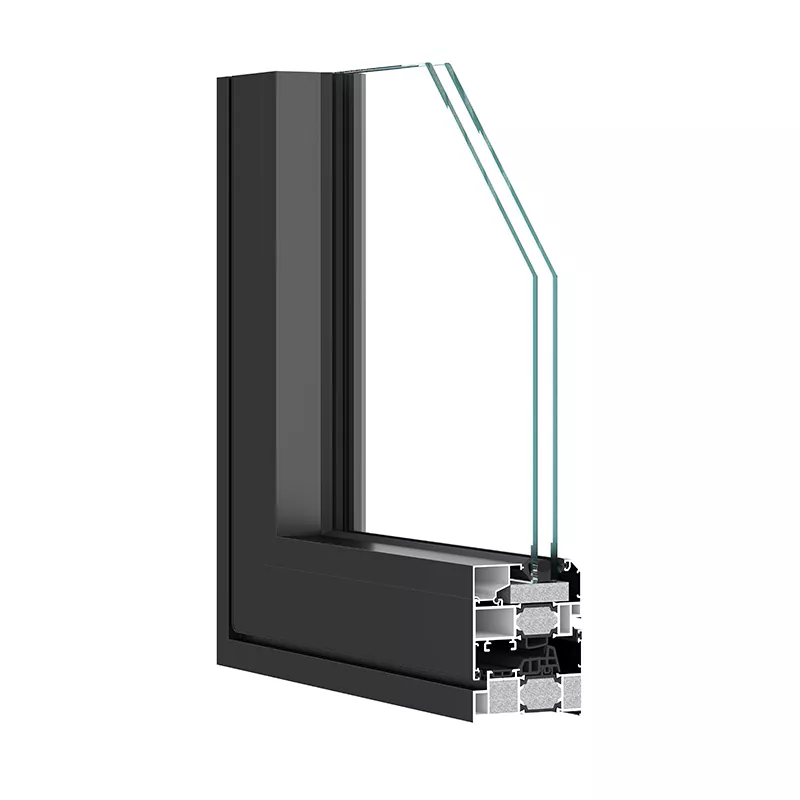
Table of Contents
- Article Outline
- What Are Thermal Break Windows?
- How Thermal Break Technology Works
- Key Benefits and Performance Advantages
- Thermal Break vs Traditional Windows
- How to Choose the Right System
- Installation Considerations
- Frequently Asked Questions
- Conclusion
Article Outline
- Introduction to energy loss in building envelopes
- Engineering principles behind thermal break systems
- Material composition and structural design
- Performance comparison in real-world applications
- Cost efficiency and long-term value analysis
- Selection criteria for residential and commercial use
- Installation best practices and maintenance
What Are Thermal Break Windows?
Thermal break windows are specially engineered window systems that incorporate a “thermal break” layer—typically made from polyamide or other low-conductivity materials—between the interior and exterior aluminum frames. This separation prevents thermal bridging, which is the process where heat or cold transfers directly through conductive materials.
In conventional aluminum windows, the metal frame acts as a direct conduit for temperature transfer. This leads to condensation, heat loss in winter, and heat gain in summer. Thermal break technology interrupts this pathway, significantly improving insulation performance.
- Reduces heat transfer through the frame
- Improves indoor thermal stability
- Minimizes condensation buildup
- Enhances acoustic insulation
How Thermal Break Technology Works
The core principle behind thermal break windows is structural separation. The frame is divided into inner and outer aluminum sections connected by a non-metallic insulating strip. This strip acts as a barrier to thermal conductivity.
| Component | Function | Material Type |
|---|---|---|
| Inner Aluminum Frame | Provides structural strength and interior finish | Aluminum alloy |
| Thermal Break Strip | Interrupts heat transfer path | Polyamide or composite insulation material |
| Outer Aluminum Frame | Protects against external weather conditions | Weather-resistant aluminum |
| Glazing Unit | Enhances insulation and light transmission | Double or triple insulated glass |
This configuration ensures that heat energy does not pass freely through the frame, which is traditionally one of the weakest points in building insulation systems.
Key Benefits and Performance Advantages
Thermal break windows offer multiple functional and economic advantages, especially in climates with extreme temperature variations.
- Energy Efficiency: Reduces heating and cooling demand, lowering utility costs.
- Condensation Control: Prevents moisture buildup that can lead to mold and material degradation.
- Noise Reduction: Improves acoustic comfort in urban environments.
- Durability: Enhances structural longevity by reducing thermal stress.
- Comfort Optimization: Maintains stable indoor temperatures year-round.
Manufacturers such as Duoping have refined these systems to meet modern architectural requirements while balancing performance and aesthetics.
Thermal Break vs Traditional Windows
| Feature | Thermal Break Windows | Traditional Aluminum Windows |
|---|---|---|
| Thermal Insulation | High | Low |
| Energy Efficiency | Excellent | Poor |
| Condensation Resistance | Strong | Weak |
| Initial Cost | Moderate to High | Low |
| Long-Term Savings | High | Low |
While traditional windows may appear cost-effective initially, they often result in higher long-term operational expenses due to energy inefficiency. Thermal break systems provide a more balanced lifecycle cost advantage.
How to Choose the Right System
Selecting the right thermal break window system requires evaluating both environmental conditions and architectural requirements.
- Climate Conditions: Colder regions benefit more from triple glazing systems.
- Frame Quality: Ensure certified thermal break materials are used.
- Glass Type: Low-E coatings enhance insulation performance.
- Air Tightness: Proper sealing prevents air leakage.
- Design Compatibility: Match window style with building aesthetics.
Duoping provides customized configurations tailored to residential, commercial, and industrial applications, ensuring performance alignment with project requirements.
Installation Considerations
Proper installation is critical to achieving the full performance potential of thermal break windows. Even high-quality systems can underperform if incorrectly installed.
- Ensure precise frame alignment to avoid thermal bridging gaps
- Use professional-grade sealing materials
- Verify insulation continuity around edges
- Conduct post-installation air leakage testing
Installation should always be handled by trained technicians familiar with advanced glazing systems to ensure compliance with performance standards.
Frequently Asked Questions
Q1: Are thermal break windows worth the investment?
Yes. Although initial costs are higher, energy savings and improved comfort typically offset the investment over time.
Q2: Do thermal break windows require special maintenance?
No. They require similar maintenance to standard windows, primarily periodic cleaning and seal inspection.
Q3: Can they reduce outside noise?
Yes. When combined with insulated glazing, they significantly reduce sound transmission.
Q4: How long do they last?
High-quality systems can last decades with proper installation and maintenance.
Q5: Are they suitable for commercial buildings?
Absolutely. They are widely used in offices, hotels, and high-rise buildings due to their performance benefits.
Conclusion
Thermal break windows represent a critical advancement in building envelope technology, addressing inefficiencies that have long existed in traditional aluminum systems. By integrating insulating barriers within the frame structure, they significantly reduce energy loss, improve indoor comfort, and enhance building sustainability.
For projects requiring reliable performance, modern design flexibility, and long-term efficiency, systems developed by Duoping offer a robust solution aligned with contemporary construction demands.
If you are planning a new project or upgrading existing windows, now is the ideal time to explore advanced thermal break solutions. Contact us today to learn how Duoping can support your energy-efficient building goals with tailored window system solutions designed for lasting performance.