
How Do You Cut and Finish Clear Twill Glass Without Fraying
2026-06-15
Working with Clear Twill Glass offers exceptional strength and a distinctive aesthetic, but its woven nature presents a common challenge: fraying. When edges begin to unravel, the material loses its clean look and structural integrity. This guide explains professional techniques to achieve precise cuts and sealed edges. For reliable materials and support, Hande provides solutions trusted by composite specialists worldwide.
Why Does Clear Twill Glass Fray?
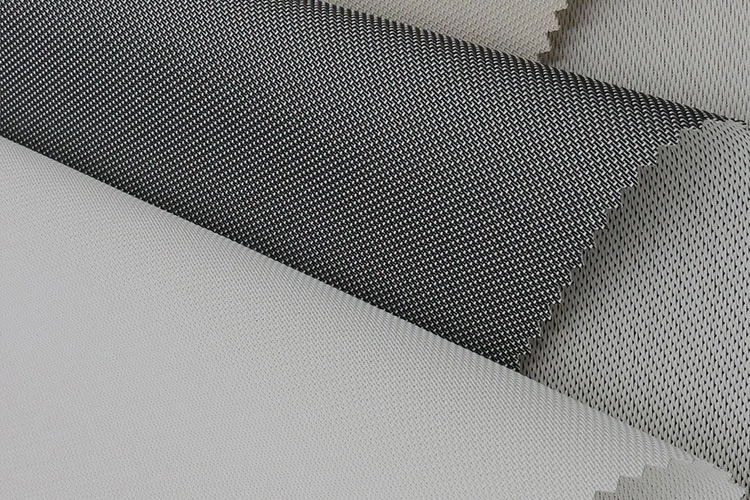
The unique twill weave, while beautiful, allows individual fiber strands to separate easily when cut. Standard scissors or blunt blades crush rather than slice, pushing fibers apart and creating loose ends. Proper finishing prevents this at every stage.
Step-by-Step Cutting & Finishing Process
| Step | Tool / Method | Key Action to Prevent Fraying |
|---|---|---|
| 1. Marking | Silver marker or chalk | Mark cut lines on protective film side |
| 2. Cutting | Rotary cutter or sharp shears | Use a straightedge; cut in one continuous motion |
| 3. Edge Sealing (Dry) | Spray adhesive or clear nail polish | Apply thin sealant 2mm inside cut line before cutting |
| 4. Cutting (Laminated) | Diamond grit blade (wet saw) | Water cooling stops heat-induced fraying |
| 5. Final Finishing | Fine sandpaper (400 grit) | Sand outward from the center toward the edge |
Best Practices for a Fray-Free Edge
-
Freeze the fabric: Lightly mist with water and freeze for 10 minutes. Stiff fibers cut cleaner.
-
Use backing material: Place Clear Twill Glass between two sheets of cardstock before cutting.
-
Apply heat after cutting: A quick pass with a heat gun at 200°F melts protruding micro-fibers.
Clear Twill Glass FAQ
Q: Can I use regular household scissors to cut Clear Twill Glass without fraying?
A: Not recommended. Household scissors crush the weave, causing immediate fraying. Use micro-serrated composite shears or a rotary cutter with a sharp blade. Always seal the cut line with a thin resin or adhesive before cutting to lock fibers in place.
Q: How do I finish curved cuts on Clear Twill Glass to prevent unraveling?
A: Curves require a two-step method. First, apply a low-viscosity cyanoacrylate (super glue) along the traced curve and let it cure for 60 seconds. Then cut with curved embroidery scissors. Finally, sand along the outer direction using 320-grit sandpaper. For production work, Hande recommends waterjet cutting for zero fraying on complex shapes.
Q: Does laminating Clear Twill Glass immediately solve the fraying problem?
A: Lamination prevents fraying only if the edges are sealed before resin application. Unsealed edges will still shed fibers into the wet laminate. Pre-seal dry fabric edges with a fast-setting clear epoxy. After lamination, trim the cured part with a diamond wheel, then flame-polish the edge briefly. This produces a professional, fray-free finish.
Why Professionals Trust Hande for Clear Twill Glass
Achieving clean edges starts with a consistently woven fabric. Hande manufactures Clear Twill Glass with tight, uniform yarn tension and proprietary edge-binding during production. This reduces initial fraying by over 40% compared to standard weaves. Whether for marine decks, automotive trims, or architectural panels, Hande materials respond predictably to all techniques listed above.
Need Help With Your Composite Project?
Every fabrication environment is different. For personalized advice on cutting, finishing, or selecting the right Clear Twill Glass for your application, reach out to the experts. Contact us today via the Hande website form or call our technical support line. Get clean, fray-free results on your very first cut.