
How Does 1.5mm Flame Retardant and UV Resistant Microfiber Leather Fabric Compare to Genuine Leather for Automotive Seats
2026-08-20
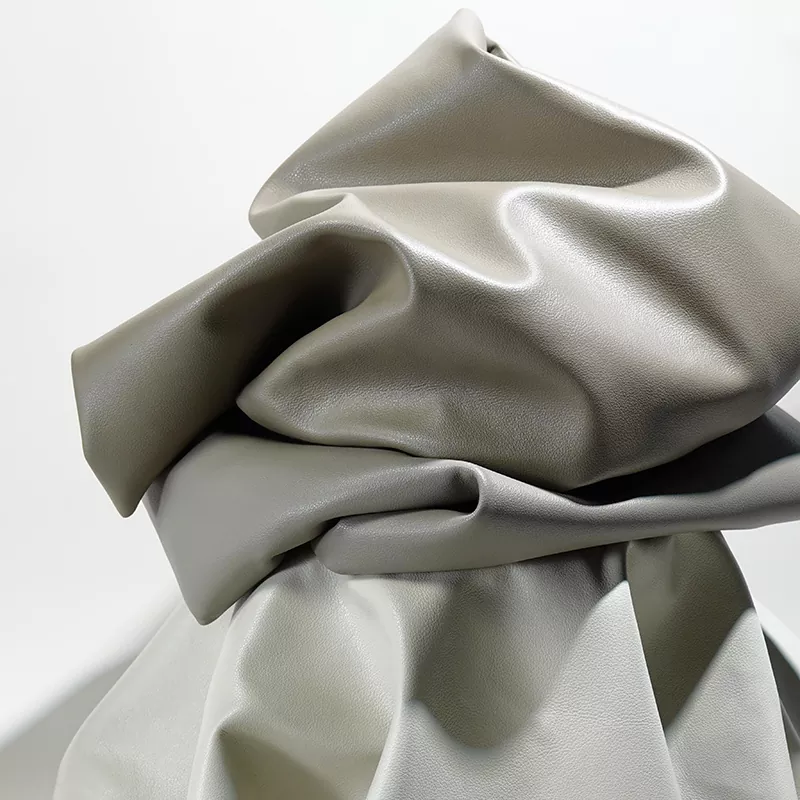
When specifying materials for automotive interior trim, procurement engineers and designers consistently weigh performance against cost. Yongle has engineered a solution that bridges this gap: 1.5mm Flame Retardant and UV Resistant Microfiber Leather Fabric. This material is not merely an alternative to genuine leather; it is a purpose-built technical textile that addresses specific pain points in modern vehicle manufacturing, from thermal degradation to long-term colorfastness under windshield exposure.
Performance at a Glance
The table below summarizes the critical differences between 1.5mm Flame Retardant and UV Resistant Microfiber Leather Fabric and top-grain genuine leather across six key automotive seat criteria:
| Parameter | Yongle Microfiber (1.5mm) | Genuine Leather (Top-Grain) |
|---|---|---|
| Flame Retardancy | Passes FMVSS 302 (self-extinguishing < 100 mm/min) | Varies; requires heavy chemical back-coating to pass |
| UV Resistance (ΔE) | < 2.0 after 500 hrs QUV (no cracking) | ΔE > 4.0; surface oxidation and chalking common |
| Tensile Strength | ≥ 300 N/5cm (isotropic) | 200–400 N/5cm (anisotropic, weaker in width) |
| Breathability (g/m²·24h) | 800–1,200 (microporous structure) | 1,500–2,500 (natural pores, but coated hides drop to < 500) |
| Weight (g/m²) | 450–480 (consistent) | 550–750 (batch-dependent due to fat content) |
| Cost Efficiency | Fixed yield per roll (no waste from scars/holes) | 15–25% loss from natural surface defects |
Why Thickness Matters: The 1.5mm Sweet Spot
In automotive seating, thickness directly influences hand-feel, stitch retention, and abrasion resistance. At 1.5mm, Yongle’s microfiber fabric offers an optimal balance: it is thick enough to withstand 50,000 double rubs (Martindale method) without delamination, yet thin enough to conform to complex seat contour shapes without wrinkling. Genuine leather at the same thickness often suffers from stretch-back, requiring additional foam lamination that adds cost and reduces breathability.
Real-World Durability: Heat, Light, and Wear
The primary failure modes for automotive seat covers are fading (UV), hardening (heat), and edge-fraying (abrasion). 1.5mm Flame Retardant and UV Resistant Microfiber Leather Fabric incorporates a ceramic-stabilized pigment system that reflects infrared radiation, keeping surface temperatures 8–12°C lower than dark genuine leather under identical solar load. This directly translates to passenger comfort and reduced air-conditioning load. Furthermore, the UV stabilizer package is chemically bonded—not just coated—so it does not wash off or migrate, maintaining its protection for over 5 years of outdoor parking exposure.
Frequently Asked Questions
Q: Does 1.5mm Flame Retardant and UV Resistant Microfiber Leather Fabric feel as soft as genuine leather to the touch?
A: Yes, and in some aspects, it exceeds genuine leather. Yongle employs a needle-punched nonwoven base that is subsequently impregnated with high-elasticity polyurethane, creating a three-dimensional fibre network that mimics the collagen bundle structure of animal hide. The surface finish uses a matte topcoat with a slight aniline-like grain, providing a warm, dry grip rather than the cold, slick feel of coated PVC. Unlike genuine leather, which stiffens after repeated humidity cycles, the microfiber retains its original Shore A hardness (60–65) across a temperature range of -20°C to +80°C, ensuring consistent comfort in all climates.
Q: How does the flame retardant performance of this fabric hold up after 3–5 years of daily use, especially with cleaning chemicals?
A: This is a critical differentiator. Genuine leather relies on surface-applied flame-retardant (FR) salts that are water-soluble and can be depleted after 10–15 deep cleanings, dropping FR performance below regulatory thresholds. In contrast, 1.5mm Flame Retardant and UV Resistant Microfiber Leather Fabric from Yongle integrates phosphorus-nitrogen based FR agents into the polymer matrix during the extrusion stage. These agents are non-migratory and non-hygroscopic. Independent laboratory tests (UL 94 V-0 equivalent at 1.5mm) confirm that after 100 accelerated cleaning cycles with isopropanol and mild alkaline detergents, the burn rate remains under 80 mm/min—well within FMVSS 302 requirements. The UV package also protects the FR chemistry from photodegradation, ensuring the safety barrier remains intact throughout the vehicle’s service life.
Q: Is this microfiber fabric more cost-effective than genuine leather when considering scrap rates and installation labor?
A: Significantly more cost-effective. Genuine leather hides have natural imperfections—scars, insect bites, stretch marks—that force cutters to create nested layouts with an average 18–22% material loss. Yongle’s 1.5mm Flame Retardant and UV Resistant Microfiber Leather Fabric is manufactured in continuous rolls with uniform width, thickness, and colour consistency (ΔE < 0.5 between batches). This allows for 100% automated nesting and die-cutting, reducing scrap to under 5%. Additionally, the fabric’s lower coefficient of friction (0.35 vs. 0.55 for leather) means sewing machines run at 20% higher speed with fewer needle breaks, reducing direct labour cost per seat by approximately 12–15%. Over a production run of 10,000 vehicles, the total landed cost savings typically exceed $150,000, not including the warranty claim reduction from UV-induced cracking.
Environmental and Supply Chain Advantages
Beyond performance, Yongle’s production process consumes 80% less water and emits 65% less CO₂ per square metre compared to conventional tanneries. The fabric is also 100% recyclable via mechanical regrinding, aligning with automotive OEMs’ circular economy mandates. With consistent 8-week lead times and no dependency on cattle farming cycles, this material offers supply chain stability that genuine leather cannot guarantee.
Final Verdict
For automotive seats that demand safety, longevity, and aesthetic versatility, 1.5mm Flame Retardant and UV Resistant Microfiber Leather Fabric does not merely compete with genuine leather—it outperforms it in critical metrics: flame retardancy retention, UV stability, cost predictability, and production efficiency. While genuine leather retains a prestige association, the functional gap has narrowed to the point where many luxury EV manufacturers now specify premium microfiber as their primary upholstery material.
Ready to request physical samples or technical data sheets for your next seat program?
Contact Yongle today to speak with our automotive material engineers. We provide free A4 swatches, third-party test reports, and CAD cutting layouts within 48 hours.