

How Does a Dense Mesh Safety Net Work?
2026-03-17
Summary: Dense mesh safety nets are essential in industrial, construction, and sports settings for preventing accidents and ensuring safety. This article provides a comprehensive guide to their structure, materials, installation, applications, and maintenance, addressing common user concerns and practical tips for optimal performance.
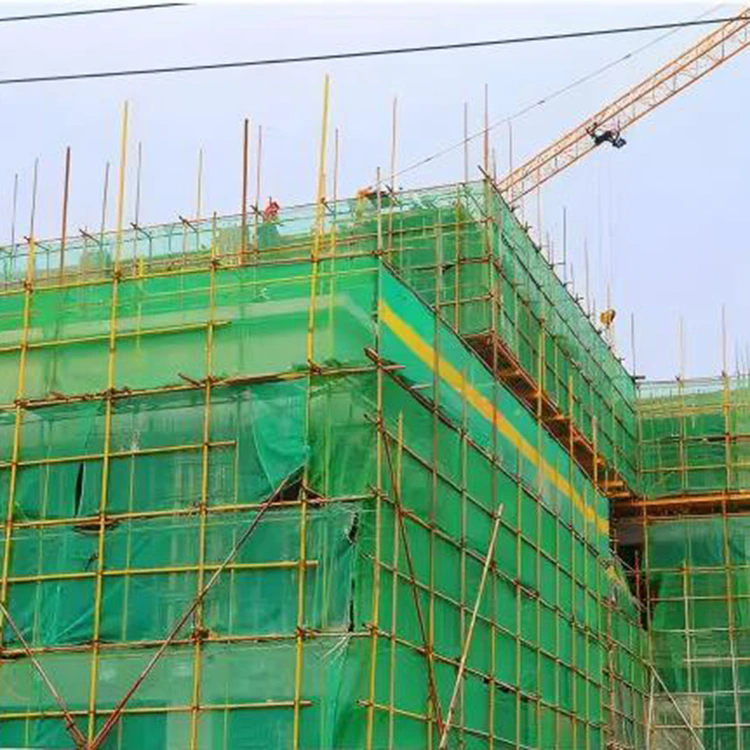
Table of Contents
1. Overview of Dense Mesh Safety Nets 2. Materials and Construction 3. Installation Techniques 4. Key Applications 5. Maintenance and Inspection 6. Advantages of Using Dense Mesh Safety Nets 7. Frequently Asked Questions 8. Contact Us1. Overview of Dense Mesh Safety Nets
Dense mesh safety nets are protective barriers made from tightly woven, high-strength fibers designed to prevent falls, catch debris, and secure work areas. Unlike traditional safety nets with larger gaps, dense mesh nets minimize the risk of small objects passing through, making them ideal for high-risk environments.
- High-density weave ensures maximum safety.
- Flexible yet durable material resists tearing under heavy loads.
- Lightweight design allows easy transport and installation.
2. Materials and Construction
The performance of dense mesh safety nets depends heavily on the material and weaving method. Common materials include:
| Material | Properties | Typical Use |
| Polyethylene (HDPE) | UV-resistant, lightweight, flexible | Construction sites, sports arenas |
| Nylon | High tensile strength, abrasion-resistant | Industrial fall protection, heavy-duty safety nets |
| Polypropylene | Weather-resistant, economical | Temporary safety installations, debris nets |
Dense mesh nets typically feature reinforced edges and knotted intersections to distribute load evenly, preventing damage from impact or sharp objects.
3. Installation Techniques
Proper installation is critical for dense mesh safety nets to function effectively. Key steps include:
- Site Assessment: Measure the area and identify anchor points for optimal coverage.
- Anchor Setup: Use steel hooks, beams, or poles to secure the net corners.
- Tensioning: Apply uniform tension to avoid sagging, which could reduce effectiveness.
- Safety Check: Inspect knots, edges, and mounting points before use.
Professional installation is recommended for large-scale construction or industrial projects to ensure compliance with safety regulations.
4. Key Applications
Dense mesh safety nets are versatile and widely used across multiple industries. Major applications include:
- Construction Sites: Protect workers from falls and prevent debris from reaching ground level.
- Sports Facilities: Ensure spectator safety by containing balls or equipment within designated areas.
- Industrial Settings: Shield machinery and workers from accidental drops of tools or components.
- Public Safety: Secure high-rise scaffolds, pedestrian walkways, and event stages.
5. Maintenance and Inspection
Maintaining dense mesh safety nets ensures longevity and consistent performance. Recommended practices include:
- Routine inspection for wear, fraying, or UV damage.
- Cleaning with mild soap and water; avoid harsh chemicals.
- Replacement of damaged sections immediately.
- Proper storage in dry, shaded areas when not in use.
Document inspection and maintenance activities to comply with workplace safety standards.
6. Advantages of Using Dense Mesh Safety Nets
Compared to standard safety nets, dense mesh nets offer several benefits:
- Enhanced protection for both workers and objects.
- Versatile for indoor and outdoor applications.
- Durable materials provide long-term cost efficiency.
- Easy to transport, install, and remove when needed.
- Compliance with international safety standards.
7. Frequently Asked Questions
Q1: How strong is a dense mesh safety net?
A1: Strength depends on the material and weave density. High-quality HDPE or nylon nets can withstand impacts of heavy tools and personnel falls, typically rated for loads up to several hundred kilograms per square meter.
Q2: Can dense mesh safety nets be customized?
A2: Yes, manufacturers like Yisen offer customization in size, color, and material to suit specific project needs or environmental conditions.
Q3: How long do these nets last?
A3: With proper installation and maintenance, dense mesh safety nets can last 5–10 years, depending on exposure to UV, weather, and mechanical stress.
8. Contact Us
If you are looking for reliable, high-quality dense mesh safety nets, Yisen offers durable solutions designed for safety and longevity. Visit our product page to explore options and get a quote. Our team is ready to assist you with personalized recommendations and professional support. Contact us today to enhance safety at your workplace or facility.