

How Does a Fire Retardant Thermal Insulation Strip Improve Building Safety and Energy Efficiency?
2026-10-30
A building's thermal insulation system plays an essential role in maintaining indoor comfort, improving energy efficiency, and protecting structural components. However, effective insulation should do more than reduce heat transfer. Fire safety is equally important, particularly in buildings where electrical systems, heating equipment, and other potential ignition sources are present. A Fire Retardant Thermal Insulation Strip provides a practical solution by combining thermal insulation performance with enhanced fire resistance. It helps reduce heat transfer between different components while slowing the spread of flames under specified conditions.
For construction contractors, industrial manufacturers, equipment producers, and building material distributors, choosing suitable insulation strips can improve product reliability and support safer installations. Guangde Jinxing International Trading Co., Ltd. provides access to insulation material solutions designed to meet different application requirements.
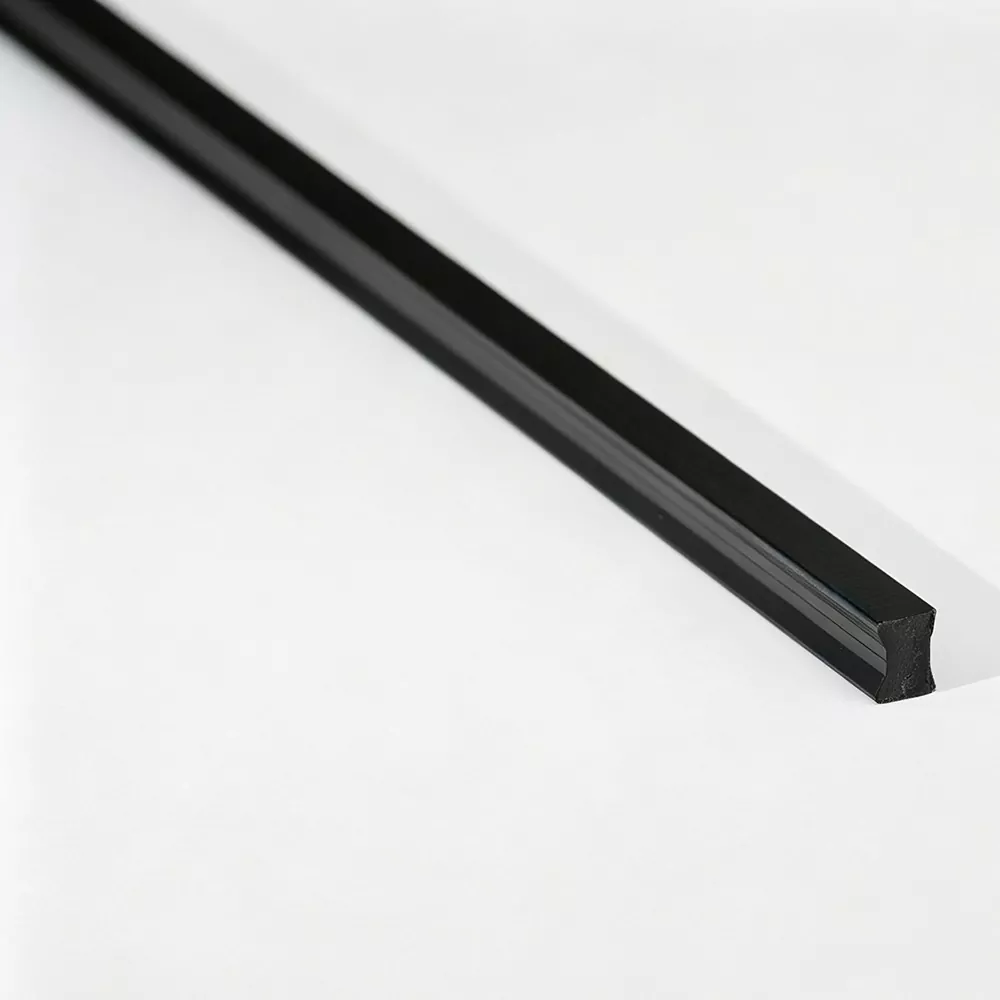
What Is a Fire Retardant Thermal Insulation Strip?
A Fire Retardant Thermal Insulation Strip is a specialized insulation material designed to reduce heat transfer while offering resistance to ignition and flame propagation. Depending on its composition and construction, it can be manufactured using materials such as fiberglass, silicone-based compounds, rubber, or other fire-resistant insulating materials.
Unlike conventional insulation strips that primarily focus on thermal performance, fire-retardant versions offer an additional layer of protection in environments where heat exposure and fire risks must be considered.
Common characteristics include:
-
Thermal insulation: Helps minimize heat transfer between adjacent surfaces.
-
Fire resistance: Formulated to resist ignition or slow flame propagation under specified testing conditions.
-
Temperature stability: Helps maintain functional performance under changing temperature conditions.
-
Flexible installation: Can be designed in different thicknesses, widths, and shapes.
-
Component protection: Helps protect surrounding components from excessive heat exposure.
The actual performance depends on the selected material, thickness, manufacturing process, and applicable testing standards.
Why Is Fire Retardant Thermal Insulation Important?
Thermal management and fire protection are closely connected in modern construction and industrial applications. Excessive heat can affect equipment performance, accelerate material aging, and increase operational risks.
A fire retardant insulation strip helps address several important challenges.
1. Reducing Heat Transfer
Heat can move through direct contact between metal components, structural surfaces, and equipment housings. Insulation strips create a barrier that reduces heat transfer, helping maintain more stable operating temperatures.
This is particularly valuable in applications involving heated machinery, electrical enclosures, and building structures.
2. Improving Fire Safety
Fire-retardant materials are designed to resist ignition or limit flame propagation under defined test conditions. When properly selected and installed, they can contribute to a safer insulation system.
However, fire-retardant properties do not mean a material is completely fireproof. The appropriate fire classification and test certification should always be considered.
3. Protecting Equipment and Components
Excessive heat may damage sensitive components, seals, cables, and surrounding materials. Installing suitable thermal insulation strips helps reduce unnecessary heat exposure and supports longer equipment service life.
4. Supporting Energy Efficiency
By limiting unwanted heat transfer, insulation strips can help reduce thermal losses in heating and cooling systems. This contributes to improved energy management and more consistent temperature control.
Where Can Fire Retardant Thermal Insulation Strips Be Used?
The versatility of Fire Retardant Thermal Insulation Strip products makes them suitable for a variety of industrial and construction applications.
| Application | Main Function | Practical Benefit |
|---|---|---|
| Building construction | Insulating joints and structural interfaces | Improved thermal management |
| Electrical equipment | Separating heat-sensitive components | Additional thermal protection |
| HVAC systems | Insulating selected connections and components | Reduced heat transfer |
| Industrial machinery | Protecting areas exposed to elevated temperatures | Improved equipment protection |
| Automotive applications | Thermal separation around selected components | Better heat management |
| Manufacturing equipment | Insulating contact surfaces and assemblies | More stable operation |
The exact material should be selected according to operating temperature, environmental conditions, mechanical stress, and fire safety requirements.
What Should Buyers Consider When Selecting an Insulation Strip?
For B2B purchasers, choosing the right insulation material requires more than comparing prices. Product specifications should match the actual application.
Here are five important factors to evaluate:
1. Fire Retardant Performance
Check the applicable fire testing standards, flame-retardant classification, and supporting test reports. Requirements may vary depending on the destination market and intended application.
2. Thermal Conductivity
Lower thermal conductivity generally indicates better insulation performance under comparable testing conditions. Buyers should evaluate this parameter alongside the expected operating temperature.
3. Temperature Resistance
Confirm the continuous operating temperature and short-term temperature limits. The material must remain functional under actual working conditions.
4. Dimensions and Installation Requirements
Width, thickness, length, flexibility, and adhesive options can affect installation efficiency. Customized dimensions may be necessary for specialized equipment or production lines.
5. Durability and Environmental Compatibility
Consider resistance to moisture, aging, compression, vibration, and chemical exposure where relevant. These properties influence long-term performance and maintenance requirements.
Fire Retardant vs. Conventional Thermal Insulation Strips
Although both products help reduce heat transfer, their performance priorities are different.
| Comparison | Fire Retardant Insulation Strip | Conventional Insulation Strip |
|---|---|---|
| Primary function | Thermal insulation and enhanced fire performance | Thermal insulation |
| Fire behavior | Designed to meet specified fire-retardant requirements | Depends on material composition |
| Application focus | Environments with additional fire safety requirements | General thermal insulation |
| Material selection | Requires consideration of fire performance and thermal properties | Primarily based on insulation needs |
| Purchasing considerations | Fire classification, temperature resistance, and durability | Thermal conductivity and durability |
For applications where fire safety is a major consideration, fire-retardant materials can provide an important advantage over conventional alternatives.
How to Ensure Reliable Product Performance
Even high-quality insulation materials require proper selection and installation. Buyers and engineering teams should consider the following practices:
-
Verify product specifications before bulk purchasing.
-
Confirm compatibility with the surfaces and components being insulated.
-
Follow the manufacturer's recommended installation procedures.
-
Avoid excessive compression that may affect insulation performance.
-
Inspect installed materials regularly for damage, aging, or displacement.
-
Ensure the complete assembly meets relevant fire safety requirements.
A comprehensive evaluation helps reduce installation problems and supports consistent product performance throughout the intended service life.
Why Choose Guangde Jinxing International Trading Co., Ltd.?
Finding a dependable insulation material supplier is an important part of maintaining product quality and supply chain stability. Guangde Jinxing International Trading Co., Ltd. focuses on connecting customers with suitable industrial material solutions for different purchasing and application requirements.
For businesses sourcing Fire Retardant Thermal Insulation Strip products, selecting the right specifications is essential to achieving the desired balance between thermal performance, fire safety, durability, and installation convenience.
Whether you are a construction material distributor, industrial equipment manufacturer, engineering contractor, or wholesale buyer, understanding your application requirements can help you make a more informed purchasing decision.
Conclusion
A Fire Retardant Thermal Insulation Strip is more than a conventional insulation accessory. By combining heat transfer reduction with enhanced fire-retardant properties, it supports thermal management, equipment protection, and improved fire safety in suitable applications.
Choosing the right product requires careful consideration of fire performance, thermal conductivity, temperature resistance, dimensions, and environmental conditions.
Looking for reliable Fire Retardant Thermal Insulation Strip solutions for your next project? Contact us at Guangde Jinxing International Trading Co., Ltd. to discuss your application requirements, explore suitable product specifications, and find an insulation solution that supports your business needs.