

How Does a Flat Panel Lighting Guide Plate Improve Light Uniformity?
2026-02-26
Article Summary
A flat panel lighting guide plate is a core optical component that determines the brightness, uniformity, and efficiency of modern flat panel lighting systems. From commercial LED panels to architectural and industrial lighting solutions, the guide plate directly influences visual comfort, energy consumption, and product lifespan. This comprehensive guide explains how a flat panel lighting guide plate works, addresses common customer challenges, and provides practical guidance on material selection, design considerations, and performance optimization. It also highlights how Jinmingwei delivers reliable lighting guide plate solutions for demanding applications.
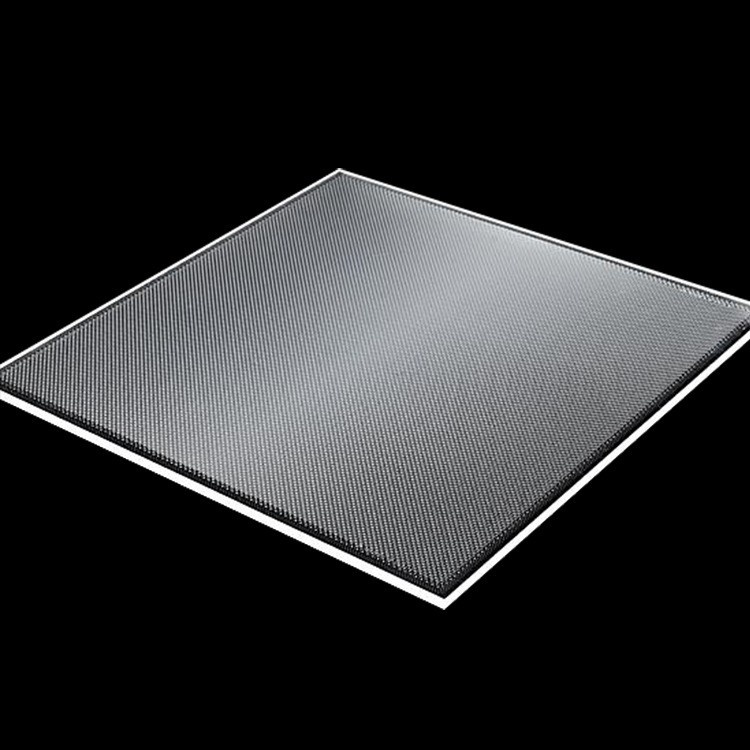
Table of Contents
- Content Outline
- Flat Panel Lighting Guide Plate Overview
- Key Customer Pain Points
- Working Principle Explained
- Materials and Structural Design
- How to Select the Right Guide Plate
- Guide Plate Performance Comparison
- Typical Application Scenarios
- Quality Control and Reliability
- Frequently Asked Questions
- Conclusion and Contact Us
Content Outline
- Understanding the role of a flat panel lighting guide plate
- Common issues affecting light uniformity and efficiency
- Optical principles behind light distribution
- Material and pattern design considerations
- Selection criteria for different lighting environments
- Practical applications and long-term reliability
Flat Panel Lighting Guide Plate Overview
A flat panel lighting guide plate is designed to evenly distribute light from edge-mounted or back-mounted light sources across a wide surface area. It transforms concentrated LED light into a uniform, glare-free illumination suitable for indoor and commercial environments.
In modern flat panel lighting systems, the guide plate works in coordination with reflective films, diffusion sheets, and LEDs to achieve consistent luminance. The optical precision of the guide plate directly impacts brightness efficiency, visual comfort, and overall lighting quality.
Jinmingwei focuses on manufacturing flat panel lighting guide plates that combine optical accuracy, material stability, and scalable production to meet the needs of global lighting manufacturers.
Key Customer Pain Points
Customers sourcing flat panel lighting guide plates often encounter several technical and operational challenges that affect product performance and cost control.
- Uneven brightness across the panel surface
- Dark zones or hot spots near light sources
- Low light efficiency and energy waste
- Material yellowing or deformation over time
- Inconsistent quality between production batches
- Limited customization for different panel sizes
These issues are usually related to improper guide plate design, unsuitable materials, or insufficient optical pattern optimization.
Working Principle Explained
The flat panel lighting guide plate operates on the principle of total internal reflection and controlled light extraction. Light enters the plate from LEDs positioned along the edge or back and travels through the transparent material.
Micro-patterns, dots, or grooves engraved or printed on the guide plate surface gradually redirect light outward. The density and distribution of these patterns are carefully engineered to ensure uniform brightness across the entire panel.
By precisely controlling light propagation and extraction, a well-designed guide plate minimizes glare, reduces light loss, and improves overall luminous efficiency.
Materials and Structural Design
Material selection is critical to the performance and lifespan of a flat panel lighting guide plate. Common materials include optical-grade PMMA and polycarbonate, each offering distinct advantages.
- High light transmittance for improved brightness
- Stable refractive index for consistent optical behavior
- Thermal resistance to LED heat exposure
- Mechanical strength for thin and large-area panels
Structural design elements such as thickness, pattern geometry, and edge finishing also play a key role in achieving optimal light uniformity.
How to Select the Right Guide Plate
Choosing the appropriate flat panel lighting guide plate requires a systematic evaluation of application requirements and operating conditions.
- Panel dimensions and target brightness level
- LED configuration and light source placement
- Environmental temperature and humidity
- Expected service life and maintenance cycle
- Customization needs for branding or design
Jinmingwei provides technical support to help customers match guide plate specifications with real-world lighting demands, reducing development risks and production delays.
Guide Plate Performance Comparison
| Design Factor | Standard Guide Plate | Optimized Guide Plate |
|---|---|---|
| Light Uniformity | Visible brightness variation | Highly uniform illumination |
| Energy Efficiency | Moderate light loss | Reduced energy consumption |
| Material Stability | Basic durability | Long-term optical clarity |
| Customization | Limited options | Flexible size and pattern design |
Typical Application Scenarios
Flat panel lighting guide plates are widely used across multiple lighting environments where uniform illumination is essential.
- Commercial LED panel lights
- Office and educational lighting systems
- Healthcare and cleanroom lighting
- Retail and display lighting
- Architectural and decorative lighting
Quality Control and Reliability
Consistent quality is essential for large-scale lighting projects. Quality control measures include optical testing, dimensional inspection, and aging tests under controlled conditions.
Jinmingwei implements strict production standards to ensure each flat panel lighting guide plate meets performance expectations, helping customers maintain stable output and long-term reliability in their lighting systems.
Frequently Asked Questions
What determines the uniformity of a flat panel lighting guide plate?
Uniformity depends on pattern design, material quality, and precise matching with the LED light source.
Can guide plates be customized for different panel sizes?
Yes. Guide plates can be designed to accommodate various dimensions and lighting requirements.
How long does a lighting guide plate typically last?
With proper materials and thermal management, guide plates can maintain performance for many years.
Does the guide plate affect energy efficiency?
Yes. An optimized guide plate reduces light loss and improves overall system efficiency.
Conclusion and Contact Us
A flat panel lighting guide plate is a critical component that directly impacts illumination quality, efficiency, and user experience. By understanding its working principles, material options, and selection criteria, businesses can avoid common lighting issues and achieve consistent, high-quality results.
Jinmingwei is dedicated to delivering precision-engineered flat panel lighting guide plates that support advanced lighting designs and long-term reliability. If you are planning a new lighting project or looking to upgrade your existing system, contact us today to discuss your requirements and discover how Jinmingwei can add value to your lighting solutions.