
How Does a High-Performance Door Architrave Improve Durability, Aesthetics?
2025-12-02
A door architrave is a decorative and protective trim installed around door frames to conceal gaps between the wall and the frame while elevating the visual appeal of interior architecture. In contemporary construction and renovation projects, the architrave is not merely a decorative border; it plays a structural, functional, and aesthetic role by reinforcing junction points, improving doorframe stability, and creating a cohesive design language across a building. The core focus of this article is to explore how high-quality door architraves enhance durability, achieve seamless aesthetics, simplify installation, and influence future architectural trends.
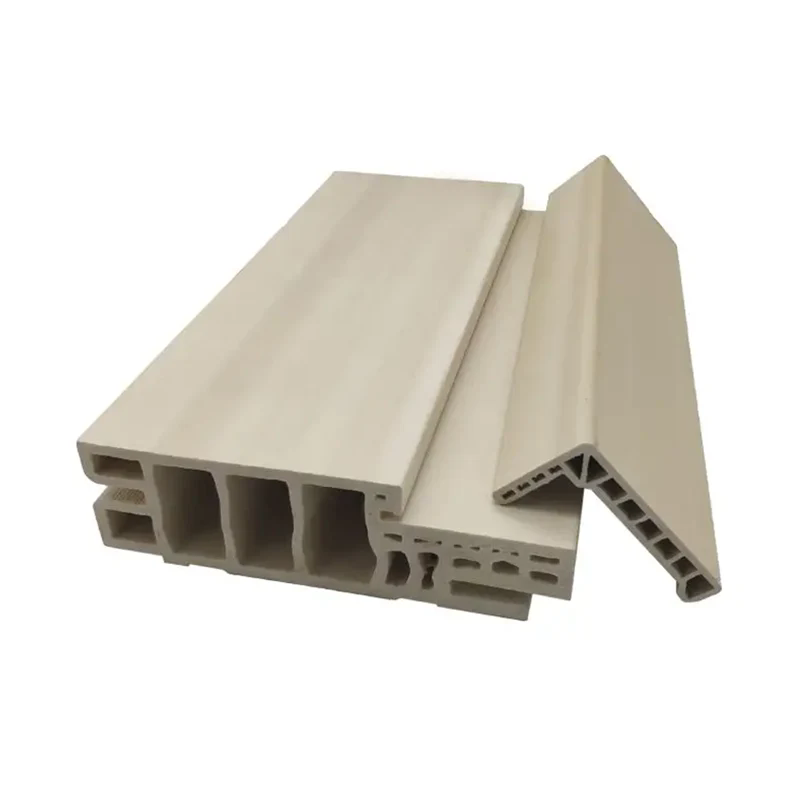
Advanced materials and precision-engineered designs now allow architraves to deliver stronger moisture resistance, better dimensional stability, enhanced fire performance ratings, and longer service life. These improvements are especially important in modern residential, commercial, and public interior environments where durability and clean visual consistency are required.
To provide technical clarity, the following table outlines the standard product parameters frequently sought in high-end construction:
Door Architrave Product Parameters
| Parameter Category | Specification Details |
|---|---|
| Material Options | MDF, Moisture-Resistant MDF, Solid Wood, PVC, WPC, Fire-Rated Composite |
| Surface Finish | Primer-Coated, Veneer-Wrapped, PVC-Laminated, PU-Painted, Melamine, Waterproof Film |
| Standard Thickness | 12mm / 15mm / 18mm (customizable) |
| Standard Width | 60mm / 70mm / 80mm / 100mm (customizable) |
| Length Options | 2200mm / 2400mm / 3000mm (project-specific customization) |
| Moisture Resistance | Up to 72 hours water-resistance for MR-grade materials |
| Fire Performance | Available in FR-grade architraves meeting common global standards |
| Installation Method | Nail-fixing, Adhesive-fixing, Slot-and-clip fixing |
| Color Range | Solid Color, Woodgrain, Matte, Gloss |
| Applications | Residential doors, commercial buildings, hotels, healthcare facilities, educational institutions |
These specifications support architects, designers, and contractors in finding an architrave that fits both structural requirements and design needs. The overarching theme is consistent: a well-designed door architrave enhances safety, longevity, and visual elegance.
How Do Door Architraves Improve Functionality, Stability, and Aesthetics in Modern Architecture?
Door architraves serve multiple essential functions beyond simple decoration. Their ability to conceal construction joints ensures a flawless appearance around door openings, protecting interior environments from visible imperfections, dust infiltration, and structural wear. High-performance architraves also stabilize door frames, particularly in commercial buildings where high foot traffic increases stress on door assemblies.
How They Improve Functionality
A well-engineered architrave provides structural support at the wall-to-frame junction. By reinforcing the contact edge, it reduces vibration, prevents cracking, and minimizes the risk of long-term damage to plaster surfaces. Materials such as moisture-resistant MDF and reinforced composite deliver notable advantages in high-humidity environments like kitchens, bathrooms, and coastal buildings.
How They Improve Aesthetics
Modern spaces rely on design unity, and architraves play a significant role in framing visual lines. They create harmonious transitions between walls, floors, and ceilings. Whether the chosen style is minimalist, classical, rustic, or contemporary, architraves can dramatically influence the perceived height and width of a room. Their finishes also determine how lighting interacts with surrounding surfaces, shaping ambiance and overall decor consistency.
How They Improve Durability
Architraves protect vulnerable edges from daily impacts such as cleaning equipment, moving furniture, and door vibrations. High-density cores and treated surfaces reduce chipping, swelling, and paint peeling. Long-wear PVC-laminated surfaces also increase resistance to abrasion and color change, making them ideal for commercial interiors.
Together, these improvements help ensure long service life and reduced maintenance costs—key priorities for contractors and long-term property owners.
How Will Door Architraves Evolve with Construction Innovations and Future Design Demands?
The evolution of door architrave technology is driven by expanding architectural needs and material science advancements. As interior decoration trends shift toward smarter, more sustainable, and more efficient construction solutions, the role of the door architrave becomes increasingly important.
Future Trends Influencing Door Architrave Development
1. Eco-Friendly Materials
Sustainable, low-VOC, and recyclable materials are becoming the new industry standard. Manufacturers are introducing innovative composites and responsibly sourced wood-based materials that offer both strength and environmental benefits.
2. Integrated Acoustic and Thermal Performance
Future architraves are expected to incorporate sound-absorbing cores, improving privacy and reducing noise transfer—especially valuable in hotels, offices, hospitals, and multi-unit residences.
3. Fire-Rated Systems
Fire-resistant architraves will see increased demand as global building safety regulations tighten. These products will be engineered to maintain structural integrity at high temperatures, improving building evacuation safety.
4. Smart Design and Modular Installation
Clip-on architraves, modular trims, and pre-finished designs will accelerate installation efficiency, reducing labor time and improving precision alignment. These systems also support easy replacement, making them ideal for large-scale commercial builds.
5. Ultra-Customizable Finishes
Digital printing and advanced laminating technologies allow architraves to replicate natural textures with high accuracy while maintaining resistance to fading, staining, and moisture.
As these trends develop, the door architrave will continue to evolve from a simple decorative border into an advanced functional component that enhances safety, efficiency, and design versatility.
How Can Buyers Select the Right Door Architrave and Ensure Long-Term Installation Performance?
Selecting the right architrave requires evaluating environmental conditions, aesthetic expectations, and the durability requirements of each project type. Buyers should analyze moisture levels, traffic intensity, architectural style, and maintenance expectations when choosing specifications.
Key Considerations When Selecting Door Architraves
-
Material durability: Moisture-resistant options are essential for humid environments.
-
Aesthetic consistency: Door frames, skirting boards, and wall trims should visually align.
-
Installation environment: Heavy-duty areas may require reinforced materials.
-
Project scale: Large projects benefit from modular or pre-finished systems for efficiency.
-
Maintenance requirements: Surfaces like PVC laminate reduce long-term upkeep.
Common Questions About Door Architraves
Q1: How should the material be chosen for different environmental conditions?
A1: Moisture-resistant MDF or composite architraves are ideal for kitchens, bathrooms, and humid regions because they remain stable when exposed to moisture. Solid wood is suitable for dry areas, offering a natural aesthetic but requiring more maintenance. PVC and WPC architraves provide superior water resistance and durability for commercial or coastal environments.
Q2: How can installation quality affect the performance of an architrave?
A2: Proper installation ensures airtight contact between the wall and frame, preventing warping, cracking, or loosening over time. Using recommended adhesives or nailing systems, maintaining precise alignment, and matching expansion tolerances of different materials ensures long-term durability and reduces the need for repairs.
How Does a Reliable Brand Strengthen Confidence in Door Architrave Projects?
A high-quality door architrave directly impacts the durability, stability, and aesthetic value of interior architecture. With increasing demand for precise installation, moisture resistance, fire performance, and customizable finishes, selecting the right supplier is a crucial step for builders and designers. A dependable brand ensures consistent material quality, precise manufacturing, and support throughout the project.
Yilian provides a comprehensive selection of engineered architraves designed for both residential and commercial interiors, focusing on durability, visual harmony, and long-term performance. For professional consultation, project customization, or bulk supply options, contact us to receive tailored support and detailed product information.