

How Does an Aluminum Heatsink Profile Improve Thermal Management in Electronic Devices?
2026-03-12
Article Summary
Electronic devices continue to become more powerful and compact, which increases the challenge of heat dissipation. Excessive temperature can reduce performance, shorten component lifespan, and cause system instability. One widely used solution is the Aluminum Heatsink Profile, a specially designed aluminum extrusion that efficiently transfers heat away from critical components.
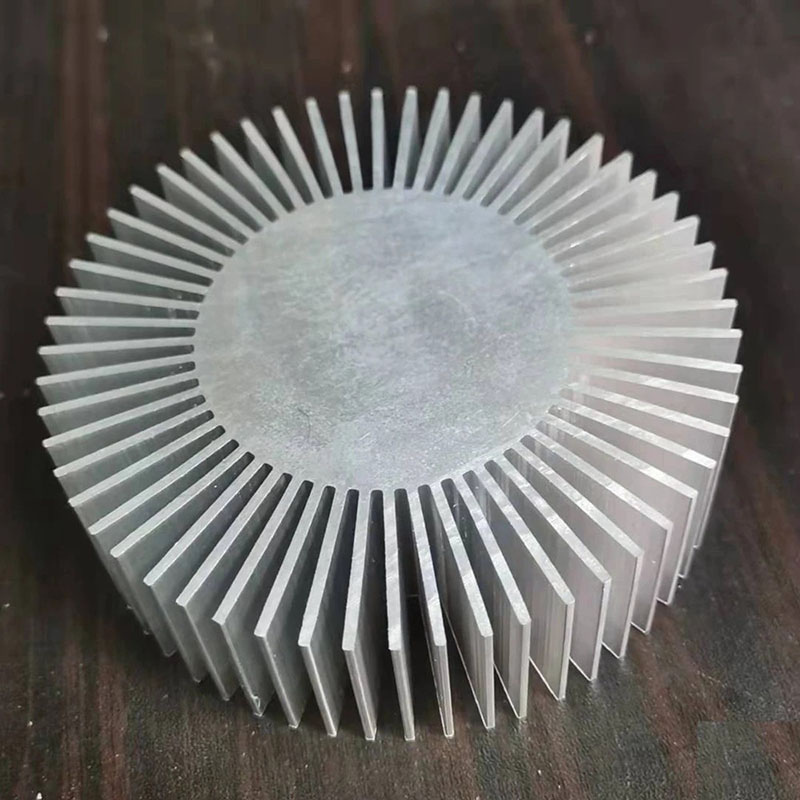
This article explains how an Aluminum Heatsink Profile works, why aluminum is preferred for thermal management, and how to select the right profile for different applications. It also explores structural design principles, common parameters, and frequently asked questions from engineers and buyers.
Contents
- Introduction to Aluminum Heatsink Profiles
- Why Aluminum is Ideal for Heat Dissipation
- How an Aluminum Heatsink Profile Works
- Typical Structural Design of Heat Sink Profiles
- Key Product Parameters
- Common Industrial Applications
- How to Choose the Right Aluminum Heatsink Profile
- Frequently Asked Questions
- Conclusion
Introduction to Aluminum Heatsink Profiles
An Aluminum Heatsink Profile is a specialized extruded aluminum component designed to dissipate heat generated by electronic devices and power equipment. These profiles are engineered with fins, grooves, or other geometric structures that increase surface area and improve airflow.
Heat sinks are essential in modern electronic systems because high temperatures can severely affect device reliability. When electrical components such as processors, power modules, or LED chips operate, they generate heat. Without proper cooling, this heat accumulates and leads to overheating.
The aluminum heatsink profile absorbs thermal energy from the device and transfers it to the surrounding air through conduction and convection. This process helps maintain stable operating temperatures and improves overall system durability.
Why Aluminum is Ideal for Heat Dissipation
Aluminum has become the most common material used for heatsink profiles due to its excellent thermal and mechanical properties. Compared with other materials, aluminum offers a balance of performance, weight, and cost efficiency.
Key advantages include:
- High thermal conductivity for efficient heat transfer
- Lightweight structure that reduces overall equipment weight
- Excellent corrosion resistance
- Good extrusion performance for complex shapes
- Cost-effective manufacturing
Manufacturers such as Yingtai produce precision aluminum profiles using advanced extrusion processes, allowing the creation of intricate fin designs that maximize heat dissipation efficiency.
How an Aluminum Heatsink Profile Works
The working principle of an Aluminum Heatsink Profile involves three main heat transfer processes: conduction, convection, and radiation.
1. Heat Conduction
Heat generated by electronic components travels through a thermal interface material into the aluminum heatsink base. Aluminum quickly spreads the heat across the entire profile.
2. Heat Distribution
The heatsink fins increase the available surface area, allowing heat to spread more efficiently. Proper fin spacing ensures optimal airflow between the fins.
3. Heat Dissipation
As air flows through the fins, heat is transferred to the surrounding environment through natural or forced convection. In some systems, cooling fans further accelerate this process.
This continuous heat transfer cycle ensures that electronic components operate within safe temperature limits.
Typical Structural Design of Heat Sink Profiles
The geometry of an Aluminum Heatsink Profile plays a critical role in cooling efficiency. Engineers carefully design the fin structure to maximize heat transfer while maintaining mechanical strength.
Common structural features include:
- Straight fins for simple airflow channels
- Pin fins for multidirectional airflow
- Cross-cut fins for improved convection
- Wide base plates for better heat spreading
- Mounting grooves for electronic modules
Extrusion technology allows manufacturers to produce these complex shapes in a single process, ensuring high dimensional accuracy and consistent quality.
Key Product Parameters
When selecting an Aluminum Heatsink Profile, several technical parameters should be evaluated to ensure compatibility with the application.
| Material | Aluminum Alloy (6063 / 6061 commonly used) |
| Thermal Conductivity | Approximately 200 W/m·K |
| Surface Treatment | Anodizing, powder coating, or sandblasting |
| Profile Length | Customized according to application |
| Fin Thickness | Typically 0.8 mm – 3 mm |
| Fin Height | 10 mm – 100 mm depending on design |
| Application Temperature | -40°C to 200°C |
Common Industrial Applications
Due to its efficient thermal management capability, the Aluminum Heatsink Profile is widely used across multiple industries.
- LED lighting systems
- Power supply units
- Industrial automation equipment
- Electric vehicle control systems
- Telecommunication devices
- Computer processors and graphics cards
- Solar inverter systems
In high-power electronic equipment, effective heat dissipation directly influences reliability and long-term performance.
How to Choose the Right Aluminum Heatsink Profile
Selecting the correct heatsink profile requires consideration of several engineering factors.
Thermal Load
The amount of heat generated by the device determines the required heat dissipation capacity. Higher thermal loads require larger or more complex fin structures.
Available Installation Space
Device enclosure size limits the dimensions of the heatsink profile. Compact electronics often require customized extrusions.
Cooling Method
- Natural convection cooling
- Forced air cooling with fans
- Liquid-assisted cooling systems
Surface Treatment
Anodized aluminum improves corrosion resistance and enhances radiation heat transfer.
Working with experienced manufacturers like Yingtai ensures that the aluminum profile design meets both thermal and mechanical requirements.
Frequently Asked Questions
Q1: Why are aluminum heatsinks more popular than copper ones?
Although copper has higher thermal conductivity, aluminum is significantly lighter and more cost-effective. It also offers better extrusion flexibility for complex shapes, making it the preferred material for most heatsink applications.
Q2: Does fin spacing affect cooling performance?
Yes. If fins are too close together, airflow becomes restricted and heat dissipation decreases. Proper spacing allows air to circulate efficiently and improves convection cooling.
Q3: Can Aluminum Heatsink Profiles be customized?
Yes. Most manufacturers provide customized extrusion profiles based on specific dimensions, cooling requirements, and installation structures.
Q4: What surface treatments are commonly used?
Anodizing is the most common treatment because it improves corrosion resistance and enhances heat radiation performance.
Conclusion
Efficient heat management is essential for modern electronic devices. The Aluminum Heatsink Profile provides a reliable and cost-effective solution by combining excellent thermal conductivity, lightweight structure, and flexible manufacturing.
With advanced extrusion technology and precision engineering, manufacturers such as Yingtai are able to deliver customized aluminum heatsink solutions suitable for various industries including electronics, LED lighting, and industrial equipment.
If you are looking for high-quality Aluminum Heatsink Profiles tailored to your project requirements, professional engineering support can make a significant difference. Contact us today to discuss your application and receive expert guidance on the most suitable thermal management solution.