

How Does Anticorrosive Coating Protect Industrial Structures?
2026-01-23
Article Abstract
Anticorrosive coatings are essential in preventing metal degradation and prolonging the lifespan of industrial equipment, pipelines, and infrastructure. This article examines the principles, types, application methods, and benefits of anticorrosive coatings. Detailed technical specifications, practical application guidelines, and frequently asked questions are presented to assist industries in selecting the most suitable solutions for corrosion protection.
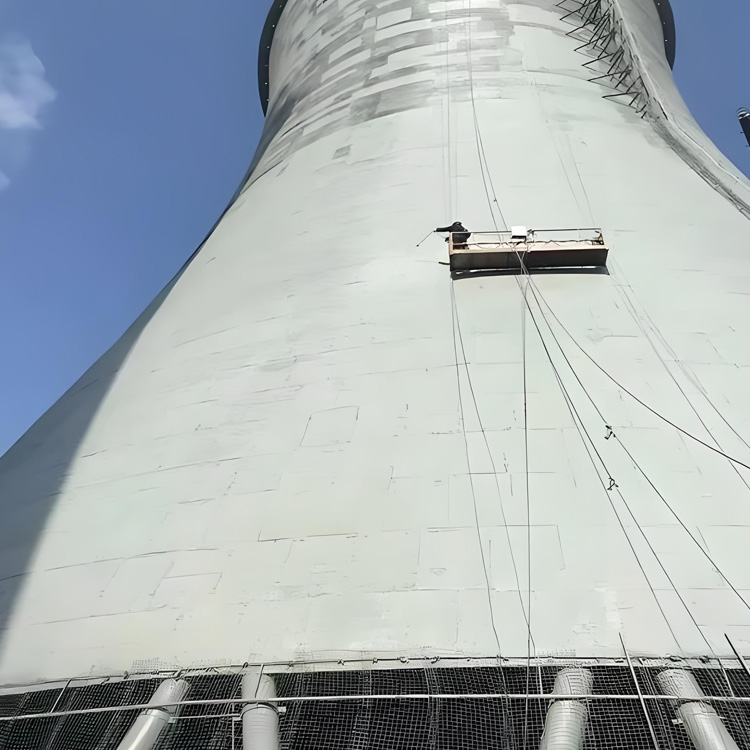
Table of Contents
- Article Outline
- Overview of Anticorrosive Coatings
- Types and Composition
- Applications in Industry
- Technical Specifications
- Frequently Asked Questions
- Conclusion and Contact Information
Article Outline
- Introduction to anticorrosive coatings
- Composition and classification of coatings
- Industrial applications and environmental considerations
- Technical specifications and performance metrics
- Common installation methods and maintenance tips
- Frequently asked questions
- Conclusion with company reference and contact guidance
Overview of Anticorrosive Coatings
Anticorrosive coatings are protective layers applied to metal surfaces to prevent rust and corrosion. They act as a barrier against moisture, chemicals, and environmental pollutants. In industrial settings, anticorrosive coatings are critical for maintaining structural integrity, minimizing maintenance costs, and ensuring operational safety.
The primary function of these coatings is to inhibit oxidation and chemical reactions that lead to metal deterioration. Proper selection of coating type and application method directly affects the lifespan and efficiency of protective performance.
Types and Composition
Anticorrosive coatings can be categorized based on chemical composition and application requirements. The most commonly used types include:
- Epoxy Coatings: Provide high adhesion and chemical resistance, suitable for pipelines and heavy machinery.
- Polyurethane Coatings: Offer UV resistance and flexibility for outdoor structures and storage tanks.
- Inorganic Zinc Coatings: Contain zinc-rich compounds for galvanic protection, ideal for bridges and marine structures.
- Alkyd-Based Coatings: Economical option for moderate protection in low-risk industrial areas.
The composition of these coatings typically includes resins, pigments, corrosion inhibitors, and solvents, optimized to provide long-term protection under specific environmental conditions.
Applications in Industry
Anticorrosive coatings are widely applied across industrial sectors to protect critical infrastructure and equipment. Common applications include:
- Oil and gas pipelines to prevent chemical and moisture-induced corrosion
- Industrial machinery exposed to high humidity or chemical agents
- Storage tanks and silos for liquid and bulk material containment
- Marine structures and port equipment exposed to seawater
- Structural steel frameworks in factories and warehouses
These applications highlight the versatility and necessity of anticorrosive coatings in maintaining operational safety and reducing replacement costs in industrial environments.
Technical Specifications
Technical performance indicators are essential for evaluating the suitability of an anticorrosive coating for a specific application. The following table summarizes typical specifications:
| Parameter | Typical Range / Value |
|---|---|
| Dry Film Thickness | 50–150 μm |
| Adhesion Strength | ≥ 5 MPa (per ASTM D4541) |
| Corrosion Resistance | ≥ 500 hours salt spray test (ASTM B117) |
| Temperature Resistance | -40°C to 120°C |
| Application Methods | Spray, brush, roller, or electrostatic |
| Color Options | Standard industrial colors, custom colors available |
Proper adherence to these specifications ensures that anticorrosive coatings deliver reliable protection over their expected service life.
Frequently Asked Questions
Q: What factors should be considered when selecting an anticorrosive coating?
A: Selection should consider environmental exposure, temperature range, substrate type, required service life, and maintenance intervals.
Q: How often should anticorrosive coatings be inspected and maintained?
A: Inspection is recommended every 12–24 months, with touch-ups or recoating applied as needed based on wear, abrasion, or environmental impact.
Q: Can anticorrosive coatings be applied over previously coated surfaces?
A: Yes, but the existing coating must be assessed for adhesion, cleaning, and surface preparation to ensure proper bonding of the new layer.
Conclusion and Contact Information
Anticorrosive coatings play a vital role in protecting industrial assets from rust, chemical damage, and environmental degradation. By selecting appropriate coating types, following precise application procedures, and monitoring performance, industries can maximize equipment longevity and reduce operational costs.
ZhengSheng provides a range of advanced anticorrosive coating solutions designed to meet diverse industrial requirements. For expert consultation, project inquiries, or customized coating solutions, please contact us to discuss your needs and explore long-term protective strategies.