Article Summary: Coconut shell activated carbon is a high-performance adsorbent widely used in water treatment, air purification, and industrial filtration. This article explains its structure, production process, key advantages, applications, and selection criteria, helping buyers and engineers understand how to choose the right grade for different purification needs.
Article Outline:
-
Introduction to Coconut Shell Activated Carbon
-
Raw Material and Manufacturing Process
-
Physical and Chemical Properties
-
Major Applications in Industry
-
Advantages Over Other Carbon Types
-
Selection and Performance Factors
-
Operational Challenges and Solutions
-
Frequently Asked Questions
Introduction
Coconut shell activated carbon has become one of the most reliable adsorption materials in modern purification systems. Derived from natural coconut shells, it is highly valued for its micro-porous structure, high hardness, and excellent adsorption capacity. Industries ranging from municipal water treatment to chemical processing depend on this material to remove contaminants, odors, and organic impurities efficiently.
With increasing global demand for clean water and clean air, coconut shell-based carbon is now considered a premium filtration medium due to its sustainability and performance consistency.
What Is Coconut Shell Activated Carbon
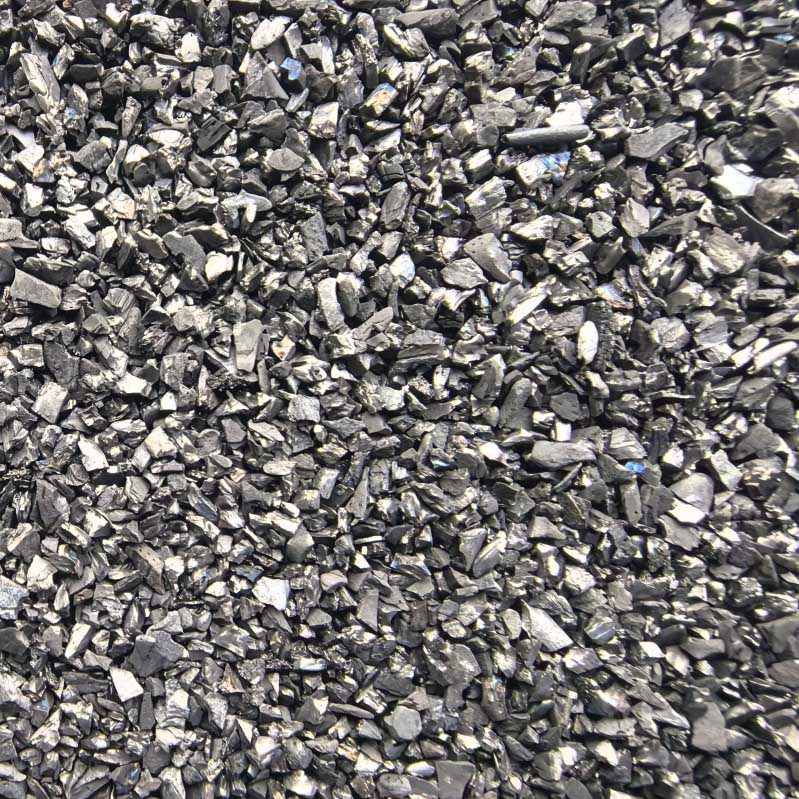
Coconut shell activated carbon is a form of carbon processed through high-temperature carbonization and activation. Unlike coal-based carbon, it is derived from renewable biomass, making it more environmentally responsible.
Its defining characteristic is its microporous structure, which allows it to trap extremely small molecules. This makes it particularly effective in applications requiring high adsorption efficiency, such as drinking water purification and air toxin removal.
Manufacturing Process
The production of coconut shell activated carbon involves several critical stages:
-
Raw Material Selection: Mature coconut shells are selected for high density and low moisture content.
-
Carbonization: Shells are heated in a controlled environment with limited oxygen to form char.
-
Activation: Steam or chemical activation expands internal pore structures at high temperatures (800–1100°C).
-
Crushing and Screening: Final products are processed into granular or powdered forms based on application needs.
The activation stage is particularly important because it determines pore distribution, surface area, and adsorption efficiency.
Key Properties
Coconut shell activated carbon is widely recognized for the following technical characteristics:
-
High surface area (up to 1200–1500 m²/g)
-
Strong mechanical hardness and low abrasion loss
-
High microporosity structure
-
Low ash content
-
Excellent chemical stability
These properties make it ideal for systems requiring long service life and high adsorption efficiency under continuous operation.
Applications
Coconut shell activated carbon is used across multiple industries due to its versatility:
-
Water Treatment: Removal of chlorine, organic compounds, and heavy metals.
-
Air Purification: Adsorption of VOCs, odors, and industrial fumes.
-
Food & Beverage: Decolorization and purification of sugar, alcohol, and edible oils.
-
Gold Recovery: Adsorption of gold-cyanide complexes in mining operations.
-
Pharmaceutical Industry: Purification of active ingredients and solvents.
Its adaptability makes it a preferred solution for both municipal and industrial systems.
Benefits and Advantages
The growing preference for coconut shell activated carbon is driven by several advantages:
-
Longer operational lifespan compared to coal-based alternatives
-
Higher adsorption efficiency for small molecular impurities
-
Environmentally sustainable raw material source
-
Lower dust generation and better handling safety
-
Cost efficiency over long-term usage cycles
These benefits directly translate into reduced maintenance costs and improved filtration performance in industrial systems.
Comparison with Other Activated Carbon Types
|
Feature
|
Coconut Shell Carbon
|
Coal-Based Carbon
|
Wood-Based Carbon
|
|
Hardness
|
High
|
Medium
|
Low
|
|
Pore Structure
|
Microporous
|
Mixed pores
|
Macroporous
|
|
Adsorption Efficiency
|
Very High
|
High
|
Moderate
|
|
Durability
|
Excellent
|
Good
|
Low
|
This comparison highlights why coconut shell-based carbon is often selected for high-precision filtration systems.
How to Select the Right Grade
Choosing the correct activated carbon depends on operational requirements:
-
Particle Size: Smaller granules increase surface contact but may increase pressure drop.
-
Iodine Value: Indicates adsorption capacity for small molecules.
-
Hardness Index: Determines resistance to abrasion in fluid systems.
-
Ash Content: Lower ash improves purity for sensitive applications.
Engineers should evaluate system flow rate, contaminant type, and regeneration cycles before selection.
Maintenance and Operational Considerations
To maximize performance, proper maintenance is essential:
-
Regular backwashing in water treatment systems
-
Periodic thermal or steam regeneration
-
Avoiding contamination from oils or heavy particulates
-
Monitoring pressure drop across filtration beds
Failure to maintain proper operating conditions may reduce adsorption efficiency and shorten service life.
FAQ
1. What makes coconut shell activated carbon different?
It has a higher micropore density and hardness, making it more efficient and durable than many alternatives.
2. Can it be reused?
Yes, it can be regenerated through thermal or steam processes, although performance may gradually decrease.
3. Is it safe for drinking water?
Yes, it is widely used in potable water treatment systems when properly certified.
4. What industries use it most?
Water treatment, air purification, mining, food processing, and pharmaceuticals.
5. How long does it last?
Depending on usage, it can last from several months to multiple years in industrial systems.
Conclusion
Coconut shell activated carbon remains one of the most efficient and sustainable adsorption materials available today. Its unique pore structure, durability, and environmental advantages make it a preferred choice across multiple industries. Proper selection and maintenance ensure optimal performance and long-term cost efficiency.
For high-quality supply and technical support, Huajing provides reliable solutions tailored to industrial and municipal requirements. If you are looking for customized specifications or bulk procurement options, please contact us to explore how Huajing can support your filtration and purification needs.