

How Does MPP Pipe Enhance Modern Piping Systems?
2026-04-24
Summary: MPP (Modified Polypropylene) pipes are revolutionizing modern piping systems with superior durability, corrosion resistance, and environmental safety. This article explores their benefits, installation methods, and key considerations for selecting the right MPP pipe for your project. By understanding MPP pipes, engineers, contractors, and property developers can make informed decisions that save costs and ensure long-lasting performance.
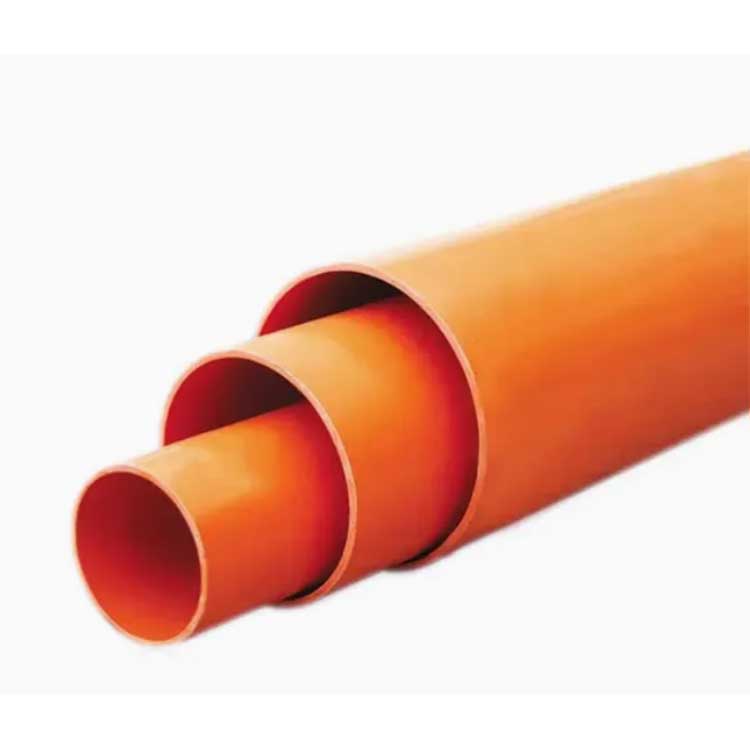
Table of Contents
- What is MPP Pipe?
- Advantages of MPP Pipe
- Installation Guide
- Applications of MPP Pipe
- Maintenance and Longevity
- FAQ
- Contact East Boom
What is MPP Pipe?
MPP stands for Modified Polypropylene, a high-performance thermoplastic widely used in modern piping systems. Unlike traditional PVC or HDPE pipes, MPP pipes offer enhanced thermal stability, chemical resistance, and mechanical strength. Their unique structure allows them to withstand higher pressure and temperature variations, making them ideal for industrial, residential, and municipal applications.
- Material Composition: High-density polypropylene with special additives
- Temperature Resistance: Up to 95°C continuously
- Pressure Rating: PN10, PN16, and PN20 options
Advantages of MPP Pipe
MPP pipes are increasingly chosen over traditional materials due to their long list of benefits. Key advantages include:
| Feature | Benefit |
|---|---|
| Corrosion Resistance | Unaffected by acidic or alkaline water, ensuring long-term reliability |
| Durability | High mechanical strength reduces risk of cracking and deformation |
| Lightweight | Easy to transport and install, reducing labor costs |
| Eco-Friendly | Recyclable and non-toxic, safe for drinking water systems |
| Thermal Stability | Maintains performance in hot water or high-temperature pipelines |
Installation Guide
Proper installation is crucial to maximize the lifespan and performance of MPP pipes. Here’s a step-by-step overview:
- Planning: Measure pipeline routes and determine required pipe diameters.
- Cutting: Use specialized MPP pipe cutters to ensure smooth ends.
- Jointing: Employ thermal fusion or mechanical fittings for leak-proof connections.
- Support: Install supports at proper intervals to prevent sagging.
- Testing: Conduct pressure testing before commissioning to ensure integrity.
Applications of MPP Pipe
MPP pipes are versatile and suitable for multiple sectors:
- Municipal Infrastructure: Water distribution and sewage systems
- Industrial Plants: Chemical transport, cooling systems, and high-temperature processes
- Residential Construction: Hot and cold water supply pipelines
- Energy Sector: Cable protection and HVAC systems
Maintenance and Longevity
MPP pipes are low-maintenance but require periodic inspections:
- Check joints for any signs of leakage or deformation.
- Ensure pipe supports are intact and free from corrosion.
- Clean external surfaces to prevent buildup of dirt or chemicals.
- Monitor pressure levels to prevent overloading the system.
With proper care, MPP pipes can last more than 50 years, providing excellent ROI for both commercial and residential projects.
FAQ
Q1: Can MPP pipes be used for hot water systems?
Yes, MPP pipes have high thermal resistance and are suitable for continuous hot water applications up to 95°C.
Q2: How do MPP pipes compare to HDPE pipes?
MPP pipes offer superior chemical resistance, thermal stability, and mechanical strength compared to standard HDPE pipes.
Q3: Are MPP pipes environmentally friendly?
Absolutely. They are recyclable, non-toxic, and safe for drinking water systems.
Q4: How long does installation take?
Depending on project size, installation can be faster than traditional piping due to the lightweight and easy-to-join nature of MPP pipes.
Contact East Boom
For high-quality MPP pipes and expert guidance on installation and maintenance, trust East Boom. Visit our product page at East Boom MPP Pipes and contact us to discuss your project requirements today. Our team is ready to provide tailored solutions and ensure your piping systems perform at their best.