

How Does Steel Grit Work in Industrial Surface Treatment?
2026-09-01
Steel grit works by using high-speed impact energy to remove unwanted materials from metal surfaces and create a controlled surface profile. During blasting operations, angular steel grit particles strike the workpiece, cutting through rust, oxidation layers, old coatings, mill scale, and other contaminants. At the same time, the sharp edges of steel grit create microscopic roughness that improves coating adhesion.
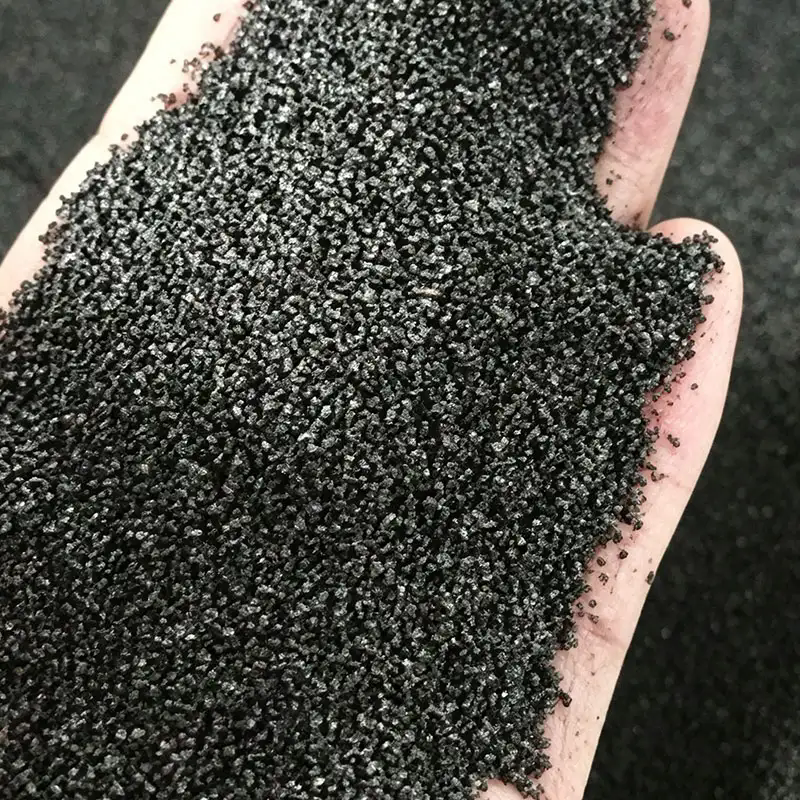
Unlike traditional disposable abrasives, steel grit is designed for repeated use in controlled blasting environments. Its high density and strong impact resistance allow manufacturers to maintain stable blasting performance while reducing abrasive consumption and waste generation. This makes it a preferred choice for industries that require continuous surface preparation, such as shipbuilding, steel fabrication, automotive manufacturing, foundries, and heavy equipment production.
The performance of steel grit depends on several important factors, including particle size, hardness grade, blasting equipment, working pressure, and the type of surface being treated. Selecting the correct combination helps companies achieve better cleaning efficiency, longer coating life, and lower operational costs.
What Advantages Can Steel Grit Bring to Industrial Applications?
Many manufacturers face challenges such as inconsistent surface quality, high abrasive consumption, excessive downtime, and poor coating performance. Steel grit provides practical solutions to these problems through its durability, cutting ability, and recycling capability.
| Challenge | How Steel Grit Helps |
|---|---|
| Heavy rust and coating removal takes too much time | The angular particles provide aggressive cutting action, allowing faster removal of tough surface layers. |
| High abrasive replacement costs | Steel grit can be recycled many times in suitable blasting systems, reducing long-term material expenses. |
| Weak coating adhesion after treatment | The controlled anchor profile improves mechanical bonding between the surface and protective coatings. |
| Unstable blasting results | Consistent particle size and hardness improve process control and surface uniformity. |
| Large-scale industrial production requirements | Steel grit supports continuous blasting operations in automated production lines. |
Where Is Steel Grit Commonly Used?
Steel grit is widely used in industries where strong cleaning performance and reliable surface preparation are essential. Its unique angular structure makes it especially suitable for applications requiring aggressive material removal and surface profiling.
- Structural Steel Manufacturing: Steel beams, plates, columns, and fabricated structures require effective removal of rust and mill scale before painting or coating. Steel grit helps create a clean and properly textured surface.
- Shipbuilding and Marine Equipment: Marine environments expose metal structures to severe corrosion risks. Steel grit blasting prepares ship surfaces for protective coating systems that improve durability.
- Pipeline Construction: Before applying anti-corrosion coatings, pipelines need a properly prepared surface. Steel grit removes contaminants and creates suitable roughness for coating adhesion.
- Foundry Industry: Steel grit is used for cleaning castings, removing sand residues, and improving surface quality after casting processes.
- Heavy Machinery Maintenance: Industrial equipment exposed to harsh conditions can be restored by removing old coatings, rust, and accumulated contamination.
How Can You Choose the Right Steel Grit?
Choosing the correct steel grit requires understanding the relationship between abrasive size, hardness, and application requirements. Using an unsuitable grade may result in inefficient cleaning, excessive surface damage, or unnecessary operating costs.
| Selection Factor | Impact on Performance | Recommendation |
|---|---|---|
| Particle Size | Determines impact force and surface profile depth. | Choose larger grit sizes for heavy coating removal and smaller sizes for detailed surface treatment. |
| Hardness Level | Affects cutting ability and service life. | Select hardness according to equipment type and required cleaning intensity. |
| Workpiece Material | Different metals require different blasting intensity. | Match steel grit characteristics with substrate strength. |
| Blasting Equipment | Equipment design influences abrasive circulation and efficiency. | Confirm compatibility with wheel blasting machines or blast rooms. |
For example, harder steel grit grades are suitable for removing thick coatings and heavy rust, while softer grades may be preferred when a balanced cleaning effect is required. Proper selection helps extend equipment life and maintain stable production quality.
How Is Steel Grit Different From Other Abrasive Materials?
Steel grit is often compared with other blasting materials because every abrasive has different characteristics. Understanding these differences helps manufacturers select the most suitable solution for their production needs.
| Material | Shape | Main Function | Typical Application |
|---|---|---|---|
| Steel Grit | Angular | Cutting, cleaning, surface profiling | Steel structures, coatings, pipelines, heavy equipment |
| Steel Shot | Round | Peening and smooth cleaning | Stress improvement, general cleaning |
| Glass Bead | Round | Gentle finishing | Decorative and precision surface treatment |
| Aluminum Oxide | Angular | Aggressive cutting | Hard materials and special finishing applications |
Compared with disposable abrasives, steel grit provides a combination of durability, impact strength, and recycling efficiency. This makes it particularly valuable for large-volume industrial operations where productivity and cost control are important.
Why Choose Shandong Haishan Industrial Technology for Steel Grit Solutions?
Selecting a reliable steel grit supplier is an important decision for companies that depend on stable blasting performance. A qualified manufacturer should provide not only abrasive products but also technical support, consistent quality control, and solutions that match different industrial requirements.
Shandong Haishan Industrial Technology focuses on providing high-quality abrasive solutions for industrial surface treatment applications. The company understands that different customers face different challenges, including improving blasting efficiency, reducing abrasive consumption, maintaining surface consistency, and achieving better coating results.
Through professional manufacturing processes and strict quality management, Shandong Haishan Industrial Technology aims to deliver steel grit products with reliable hardness, uniform particle distribution, and stable performance. These characteristics help customers maintain efficient production processes in demanding industries.
- Stable Product Performance: Consistent steel grit quality helps reduce variations during blasting operations and improves production reliability.
- Wide Application Support: Products can meet the needs of industries including metal fabrication, shipbuilding, machinery manufacturing, and infrastructure projects.
- Improved Cost Efficiency: Durable abrasive materials reduce replacement frequency and help control long-term operational expenses.
- Professional Technical Assistance: Customers can receive guidance for selecting suitable abrasive specifications according to their equipment and surface treatment goals.
What Quality Factors Should You Check Before Purchasing Steel Grit?
The quality of steel grit directly influences blasting efficiency, surface appearance, and coating performance. Before purchasing, industrial users should evaluate several important product characteristics.
| Quality Factor | Why It Matters |
|---|---|
| Chemical Composition | A balanced composition improves durability, impact resistance, and service life. |
| Hardness Consistency | Uniform hardness ensures predictable blasting results and reduces excessive abrasive breakdown. |
| Particle Shape | Proper angular shape provides effective cutting action and surface profiling capability. |
| Particle Size Distribution | Accurate sizing improves blasting control and prevents uneven surface treatment. |
| Cleanliness | Low contamination levels help maintain stable blasting performance. |
Poor-quality abrasives may break down too quickly, create excessive dust, or produce inconsistent surface profiles. For manufacturers, these issues can increase maintenance costs and slow production schedules. Choosing dependable steel grit helps create a more predictable and efficient surface preparation process.
How Can You Improve Steel Grit Usage Efficiency?
Although steel grit is a durable abrasive material, proper usage and maintenance practices are essential to maximize its service life. Efficient abrasive management can significantly improve production performance.
- Maintain Proper Blasting Parameters: Adjust blasting pressure, wheel speed, and abrasive flow according to the workpiece requirements. Excessive force may accelerate abrasive wear without improving cleaning results.
- Use Effective Separation Systems: Reliable separation equipment helps remove broken particles and contaminants, allowing reusable steel grit to maintain better performance.
- Monitor Abrasive Condition Regularly: Routine inspection helps identify excessive breakdown, contamination, or changes in particle distribution.
- Select Suitable Grit Specifications: Using the correct size and hardness prevents unnecessary consumption and improves surface treatment quality.
- Follow Equipment Maintenance Procedures: Well-maintained blasting machines improve abrasive circulation efficiency and reduce unexpected downtime.
How Will Steel Grit Support Future Industrial Manufacturing?
Modern manufacturing continues to demand higher efficiency, better surface quality, and more sustainable production methods. Steel grit remains an important solution because it supports repeated use, reduces waste, and improves the reliability of surface preparation processes.
As industries move toward automated production lines and advanced coating technologies, abrasive materials must provide greater consistency and process control. Steel grit meets these requirements by offering stable performance for large-scale applications.
Future improvements in manufacturing technology will continue to enhance abrasive durability, particle control, and application efficiency. Companies that choose suitable steel grit solutions can achieve better productivity while maintaining high-quality surface treatment standards.
Frequently Asked Questions About Steel Grit
Q1: What is steel grit mainly used for?
Steel grit is mainly used for abrasive blasting applications such as removing rust, old coatings, mill scale, and surface contaminants from metal products. It also creates a suitable surface profile for painting and protective coatings.
Q2: How many times can steel grit be reused?
The reuse cycle depends on abrasive quality, blasting equipment, operating conditions, and recycling systems. High-quality steel grit can typically be recycled multiple times in properly managed blasting environments.
Q3: What is the difference between steel grit and steel shot?
Steel grit has an angular shape that provides cutting action and creates surface profiles, while steel shot has a rounded shape that is mainly used for cleaning and peening applications.
Q4: How do I select the correct steel grit size?
The correct size depends on factors such as coating thickness, rust level, required surface roughness, and equipment type. Larger particles are generally used for heavier cleaning tasks, while smaller particles are suitable for finer treatment.
Q5: Why is steel grit important for coating preparation?
Proper coating preparation determines how well protective layers bond with metal surfaces. Steel grit creates a controlled profile that improves coating adhesion and helps extend service life.
Conclusion
Steel grit plays an essential role in industrial surface preparation by providing powerful cleaning performance, reliable surface profiling, and excellent recycling capability. For industries dealing with corrosion, coating removal, and demanding manufacturing environments, selecting the right abrasive solution can improve efficiency and reduce operating costs.
With professional manufacturing experience and a commitment to product quality, Shandong Haishan Industrial Technology provides dependable steel grit solutions designed to meet different industrial blasting requirements. Whether you need improved cleaning efficiency, stable surface preparation, or customized abrasive recommendations, choosing the right partner can make a significant difference.
If you are looking for high-performance steel grit products and professional industrial abrasive solutions, please contact us today. Shandong Haishan Industrial Technology is ready to provide reliable support and help you achieve better blasting results.