

How Raw Material Storage Tank Systems Improve Safety and Efficiency in Industrial Operations
2026-04-27
Abstract: Raw material storage tanks are critical assets in industries ranging from chemical processing to food production. Poor storage design leads to contamination, material loss, safety hazards, and costly downtime. This article explains how modern raw material storage tank systems solve these challenges through optimized design, material selection, monitoring technologies, and maintenance strategies. It provides actionable insights for buyers, engineers, and plant managers seeking reliable storage solutions.
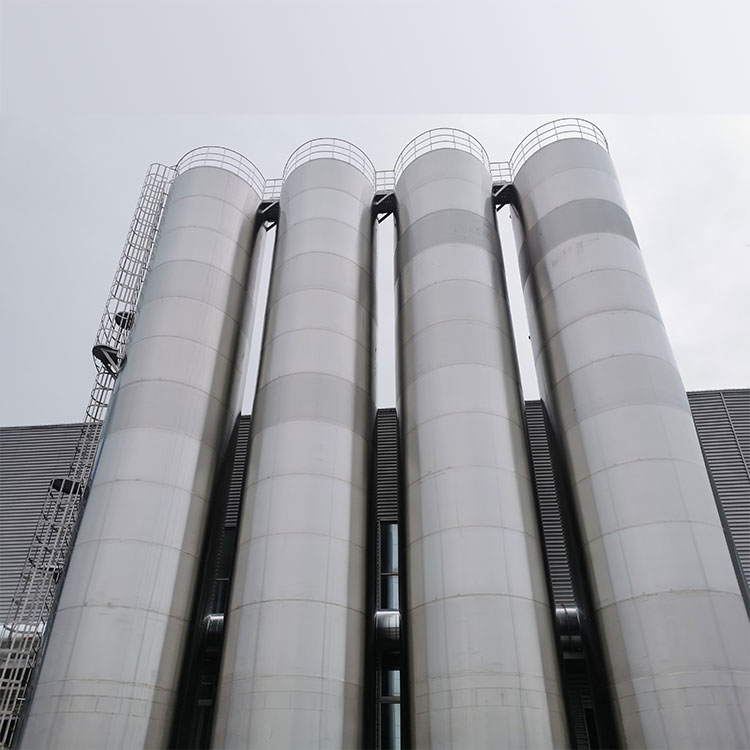
Table of Contents
- 1. Overview of Raw Material Storage Tanks
- 2. Common Challenges Faced by Buyers
- 3. How Storage Tanks Solve These Problems
- 4. Types of Raw Material Storage Tanks
- 5. How to Choose the Right Tank
- 6. Key Design Features to Consider
- 7. Maintenance and Longevity
- 8. Comparison Table of Tank Materials
- 9. FAQ
1. Overview of Raw Material Storage Tanks
Raw material storage tanks are engineered containers designed to store liquids, powders, or gases safely before they are used in production. These tanks are essential in industries such as chemicals, pharmaceuticals, agriculture, and manufacturing. A well-designed storage system ensures material integrity, operational continuity, and regulatory compliance.
Modern storage tanks are no longer simple containers. They integrate advanced engineering, automation, and safety features to meet increasingly strict industrial requirements.
2. Common Challenges Faced by Buyers
- Material contamination due to poor sealing or incompatible materials
- Corrosion leading to leaks and structural failure
- Inefficient storage causing production delays
- High maintenance costs and frequent downtime
- Difficulty in monitoring inventory levels accurately
These issues not only increase operational costs but also pose serious safety and environmental risks.
3. How Storage Tanks Solve These Problems
A properly designed raw material storage tank system addresses these challenges through multiple mechanisms:
- Material Compatibility: Tanks are constructed using materials like stainless steel or polyethylene to prevent chemical reactions.
- Sealed Systems: Advanced sealing technologies prevent contamination and evaporation.
- Automation Integration: Sensors monitor temperature, pressure, and fill levels in real time.
- Corrosion Resistance: Coatings and specialized alloys extend tank lifespan.
- Optimized Design: Proper geometry improves flow and reduces residue buildup.
Companies like Niasi focus on delivering storage solutions that combine durability with operational intelligence, ensuring long-term reliability.
4. Types of Raw Material Storage Tanks
- Vertical Storage Tanks: Ideal for large-volume liquid storage with minimal footprint.
- Horizontal Tanks: Suitable for limited height environments and transport applications.
- Stainless Steel Tanks: Best for food-grade and pharmaceutical materials.
- Plastic Tanks: Cost-effective and resistant to many chemicals.
- Pressure Tanks: Designed for gases or volatile liquids.
Each type serves a specific operational requirement, making proper selection crucial.
5. How to Choose the Right Tank
Selecting the right storage tank requires evaluating multiple factors:
- Material Type: Chemical composition determines compatibility.
- Storage Capacity: Based on production scale and supply chain needs.
- Environmental Conditions: Temperature, humidity, and outdoor exposure.
- Regulatory Requirements: Industry-specific compliance standards.
- Budget Constraints: Balancing upfront cost with lifecycle value.
A strategic approach ensures that the investment aligns with both current operations and future expansion.
6. Key Design Features to Consider
- Anti-corrosion coatings
- Level indicators and sensors
- Temperature control systems
- Leak detection mechanisms
- Easy cleaning and maintenance access
These features significantly enhance safety and operational efficiency, reducing risks and improving productivity.
7. Maintenance and Longevity
Routine maintenance is essential to maximize the lifespan of storage tanks. Best practices include:
- Regular inspections for corrosion or leaks
- Cleaning to prevent residue buildup
- Calibration of monitoring instruments
- Timely replacement of worn components
Preventive maintenance minimizes unexpected failures and ensures continuous operation.
8. Comparison Table of Tank Materials
| Material | Advantages | Disadvantages | Best Use Case |
|---|---|---|---|
| Stainless Steel | Durable, corrosion-resistant, hygienic | Higher cost | Food, pharma, chemicals |
| Polyethylene | Lightweight, cost-effective | Limited temperature resistance | Water, mild chemicals |
| Carbon Steel | Strong, economical | Prone to corrosion without coating | Industrial liquids |
9. FAQ
Q1: How long does a raw material storage tank last?
A: Depending on material and maintenance, tanks can last 10–30 years or more.
Q2: What is the most important factor when choosing a tank?
A: Material compatibility is critical to prevent contamination and damage.
Q3: Can storage tanks be customized?
A: Yes, many manufacturers including Niasi offer tailored solutions based on industry needs.
Q4: How can I improve storage efficiency?
A: Use automated monitoring systems and optimize tank design for your process flow.
Conclusion
Raw material storage tanks play a vital role in ensuring safe, efficient, and reliable industrial operations. By addressing common challenges such as contamination, corrosion, and inefficiency, modern tank systems significantly enhance productivity and reduce operational risks.
Choosing the right supplier is equally important. Niasi provides advanced storage tank solutions designed to meet diverse industrial requirements with high performance and durability.
If you are looking to upgrade your storage infrastructure or need expert guidance, contact us today to discover how the right raw material storage tank can transform your operations.