

How Should You Choose the Right High-Strength Fiberglass Chopped Strand Mat for Your Project
2026-11-13
Selecting the correct reinforcement material is one of the most consequential decisions in any composite project, and High-Strength Fiberglass Chopped Strand Mat from Yuruis has become a preferred solution for manufacturers demanding consistent mechanical performance and reliable processing. Whether you are producing FRP panels, boat hulls, or corrosion-resistant tanks, the right mat specification directly influences laminate strength, surface finish, and production efficiency. This guide breaks down the key selection criteria used by Yuruis technical engineers to help you match the material to your application.
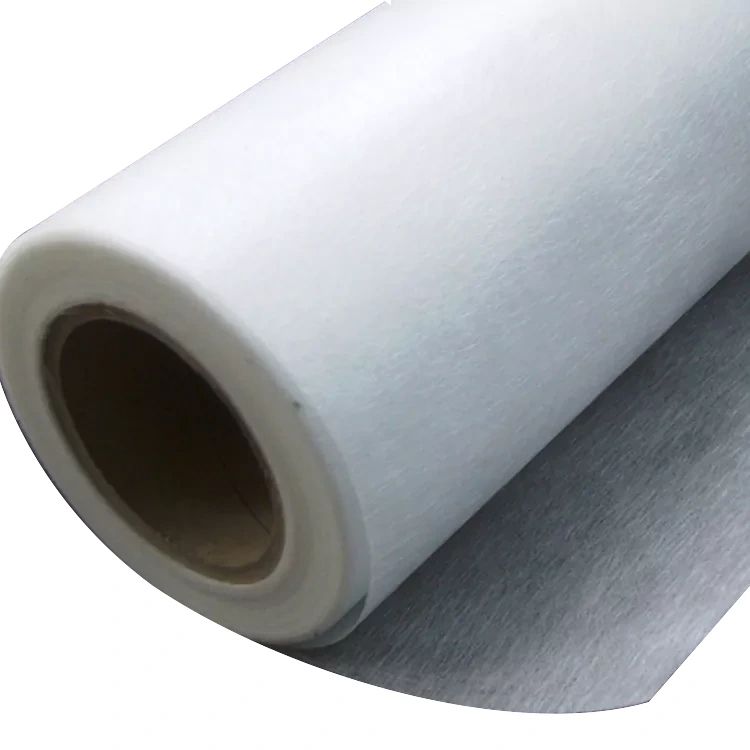
Understand What Defines "High-Strength" in Chopped Strand Mat
Not all chopped strand mat is engineered to the same standard. High-Strength Fiberglass Chopped Strand Mat typically features longer, more uniformly distributed strands, a silane-based binder system, and tighter weight tolerance. These characteristics translate into faster wet-out, higher tensile and flexural strength, and reduced resin consumption.
Yuruis manufactures its high-strength mat with controlled strand length and optimized binder chemistry, ensuring consistent loft and superior conformability across complex molds.
Key Selection Criteria at a Glance
| Criterion | What to Evaluate | Why It Matters |
|---|---|---|
| Areal weight (GSM) | 300–600 GSM range | Balances strength, resin uptake, and cost |
| Binder type | Silane or powder binder | Determines compatibility with polyester, vinyl ester, epoxy |
| Strand length | 50 mm standard, longer for high-strength grades | Influences mechanical reinforcement and wet-out speed |
| Moisture content | Below 0.2% | Prevents voids and delamination |
| Roll width & length | Match to your molding line | Reduces waste and changeover downtime |
| Compatible resin | Polyester, vinyl ester, epoxy | Ensures proper adhesion and cure |
Match the Mat to Your Resin System
Resin compatibility is non-negotiable. High-Strength Fiberglass Chopped Strand Mat must bond chemically with your chosen matrix. Yuruis offers powder-bound and emulsion-bound variants, with silane sizing optimized for unsaturated polyester, vinyl ester, and epoxy systems. Confirm the binder type before ordering—mismatched sizing leads to poor interlaminar adhesion and premature failure.
Consider Your Process and Application
-
Hand lay-up: Choose 300–450 GSM for easy draping and air release.
-
RTM and infusion: Select 450–600 GSM with high permeability for uniform resin flow.
-
Pultrusion and continuous lamination: Specify tighter weight tolerance and consistent roll tension.
-
Corrosion-resistant applications: Pair vinyl ester-compatible High-Strength Fiberglass Chopped Strand Mat with Yuruis technical support for chemical resistance verification.
Verify Quality and Supplier Credibility
Request batch test reports covering areal weight deviation, moisture content, tensile strength, and binder solubility. A credible supplier provides traceability and application engineering support. Yuruis supplies full documentation with every shipment and offers sample rolls for trial validation before full-scale production.
Frequently Asked Questions
What GSM of High-Strength Fiberglass Chopped Strand Mat is best for hand lay-up?
For hand lay-up, 300–450 GSM High-Strength Fiberglass Chopped Strand Mat offers the best balance of drapability, air release, and laminate strength, while heavier grades suit infusion and pultrusion processes.
Can High-Strength Fiberglass Chopped Strand Mat be used with epoxy resin?
Yes, provided the mat uses a silane-based binder compatible with epoxy; Yuruis recommends confirming binder chemistry before purchase to ensure proper wet-out and interlaminar adhesion.
How does High-Strength Fiberglass Chopped Strand Mat differ from standard chopped strand mat?
It uses longer, more uniformly distributed strands and tighter weight tolerance, delivering higher tensile and flexural strength, faster wet-out, and lower resin consumption than standard mat.
What moisture content should I require in High-Strength Fiberglass Chopped Strand Mat?
Specify moisture content below 0.2%, as higher levels cause voids, poor adhesion, and delamination in the finished laminate.
Conclusion
Choosing the right High-Strength Fiberglass Chopped Strand Mat comes down to matching GSM, binder type, strand length, and resin compatibility to your specific process and performance targets. Yuruis combines controlled manufacturing, full batch traceability, and application engineering support to help you specify with confidence.
Contact us today to request samples, technical data sheets, or a tailored quotation for your next composite project.