
How to Choose and Use 3 Ply Engraving Plastic for Durable Signage and Industrial Applications
2026-05-25
In modern signage, industrial labeling, equipment identification, and personalized branding, 3 Ply Engraving Plastic has become one of the most practical and cost-effective materials available. Its layered structure, durability, and engraving flexibility make it ideal for both indoor and outdoor environments.
Whether you are producing nameplates, safety signs, control panels, trophy plates, directional signage, or customized decorative products, understanding how to choose the right material can significantly improve engraving quality and long-term performance.
This article explains how 3 Ply Engraving Plastic works, how to select the right specifications, common application scenarios, engraving methods, maintenance practices, and solutions to frequent customer concerns.
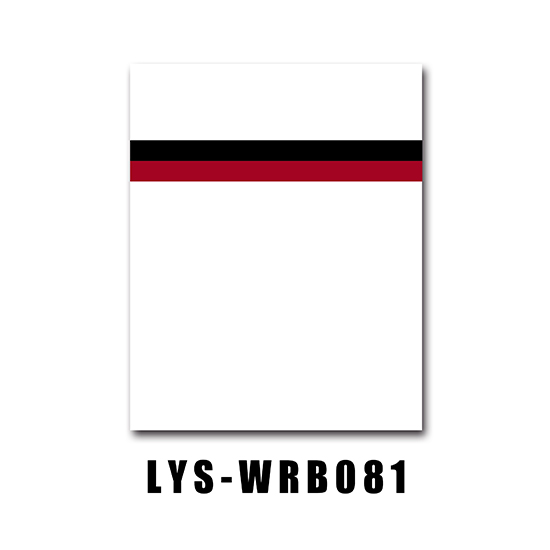
Table of Contents
What Is 3 Ply Engraving Plastic?
3 Ply Engraving Plastic is a multi-layer laminated plastic sheet designed specifically for engraving and marking applications. Unlike standard plastic boards, this material contains three distinct layers with different colors or finishes.
During engraving, the top layer is removed to expose the contrasting middle layer, creating highly visible text, graphics, symbols, or patterns. The third layer improves structural stability and enhances durability.
These sheets are commonly manufactured using ABS, acrylic, or modified engineering plastics to provide:
- High engraving precision
- Strong weather resistance
- Excellent color contrast
- Impact durability
- UV resistance
- Chemical resistance
Many manufacturers and signage companies rely on products from Wenzhou Lyshire Co., Ltd. because of their consistent surface quality, color stability, and machining performance.
Advantages of 3 Ply Engraving Plastic
Compared with ordinary plastic sheets or painted signage materials, 3 Ply Engraving Plastic offers several important advantages.
| Feature | Benefit |
|---|---|
| Three-layer structure | Provides strong visual contrast after engraving |
| Weather resistance | Suitable for outdoor applications |
| Easy processing | Compatible with laser and CNC engraving |
| Multiple colors available | Supports branding and decorative customization |
| Impact resistance | Maintains structural integrity in industrial environments |
| Lightweight material | Easy transportation and installation |
One major customer concern is fading or peeling after long-term usage. Because the color layers are integrated into the material itself instead of painted on the surface, engraved graphics remain clear for years.
Common Applications
3 Ply Engraving Plastic is widely used across commercial, industrial, and decorative industries.
- Industrial equipment labels
- Machine control panels
- Electrical identification plates
- Safety warning signs
- Door nameplates
- Office directional signs
- Trophy and award plates
- Hotel signage systems
- Memorial plaques
- Retail branding displays
For factories and engineering projects, durability is especially important. Materials exposed to heat, moisture, chemicals, or sunlight must maintain readability and structural stability over time.
This is why many industrial buyers choose specialized products like the solutions available at:
How to Select the Right Material
Selecting the correct engraving plastic depends on several practical factors. Buyers often focus only on color, but thickness, surface finish, environmental resistance, and engraving compatibility are equally important.
Here are the main considerations:
| Selection Factor | Recommendation |
|---|---|
| Indoor usage | Standard ABS engraving sheets are usually sufficient |
| Outdoor signage | Use UV-resistant and weatherproof materials |
| Laser engraving | Select laser-compatible surfaces |
| CNC routing | Choose impact-resistant thicker sheets |
| High-end decoration | Use metallic or brushed finishes |
| Heavy industrial use | Prioritize chemical and abrasion resistance |
Thickness options generally range from 0.8mm to 3mm depending on application requirements. Thicker sheets offer better rigidity but may require adjusted engraving parameters.
How Different Engraving Methods Work
Different production environments use different engraving technologies. Understanding compatibility helps prevent poor cutting quality, melting, or edge deformation.
Laser Engraving
Laser engraving is one of the most common processing methods because it delivers fast production speed and highly detailed graphics.
Advantages include:
- Clean and precise engraving lines
- High-speed batch production
- Minimal physical contact
- Suitable for intricate patterns
CNC Rotary Engraving
CNC engraving uses mechanical cutters to remove material from the top layer.
This method is ideal for:
- Deep engraving applications
- Large signage production
- Heavy-duty industrial labels
- Thicker plastic sheets
UV Printing Combination
Some manufacturers combine UV printing with engraving to create more visually attractive products. This approach allows full-color branding while maintaining durable engraved text.
Material Comparison Table
| Material Type | Durability | Outdoor Use | Laser Compatibility | Cost Level |
|---|---|---|---|---|
| Standard ABS | Good | Moderate | Excellent | Economical |
| Acrylic-Based | Very Good | Excellent | Excellent | Medium |
| UV Resistant Sheets | Excellent | Excellent | Very Good | Higher |
| Metallic Finish Sheets | Good | Good | Very Good | Medium |
Maintenance and Cleaning Tips
Proper maintenance significantly extends the lifespan of engraved products.
Recommended cleaning methods include:
- Use soft microfiber cloths
- Clean with mild soap solution
- Avoid abrasive cleaning tools
- Do not use strong solvents unless material compatibility is confirmed
- Protect outdoor signage from unnecessary impact damage
Many users mistakenly use alcohol-based cleaners on sensitive surfaces, which may reduce gloss or damage decorative coatings. Always verify material specifications before cleaning.
Common Mistakes to Avoid
Customers often encounter avoidable problems during production or installation.
- Using indoor-grade material outdoors
- Selecting incorrect engraving depth
- Applying excessive laser power
- Ignoring thermal expansion during installation
- Using incompatible adhesives
- Choosing thin sheets for heavy industrial applications
Working with experienced suppliers helps reduce these risks and ensures consistent production quality.
Why Industrial Buyers Prefer 3 Ply Sheets
Industrial projects require identification systems that remain readable for many years. Equipment labels, electrical panels, warning signs, and machinery tags often operate in demanding environments involving heat, vibration, dust, oils, and chemicals.
3 Ply Engraving Plastic offers a reliable solution because engraved information does not easily wear away like printed labels or painted markings.
In addition, the material supports:
- Fast customization
- Batch manufacturing efficiency
- Consistent engraving contrast
- Long-term operational durability
- Professional visual appearance
Wenzhou Lyshire Co., Ltd. continues to supply engraving materials for signage manufacturers, industrial fabricators, advertising companies, and OEM production facilities worldwide.
FAQ
Can 3 Ply Engraving Plastic Be Used Outdoors?
Yes. UV-resistant and weatherproof grades are specifically designed for outdoor applications such as safety signs, directional boards, and industrial identification systems.
Is Laser Engraving Safe for All Types?
Most engraving plastics are laser compatible, but settings must be adjusted according to thickness and material composition to avoid overheating.
What Thickness Is Best for Signage?
For general signage, 1.3mm to 1.6mm is commonly used. Heavy-duty industrial labels may require thicker materials.
Does the Color Fade Over Time?
High-quality engraving plastics use integrated color layers that resist fading much better than surface-painted alternatives.
Can the Material Be Cut into Custom Shapes?
Yes. CNC routers, laser cutters, and traditional fabrication tools can produce customized shapes and dimensions.
Conclusion
3 Ply Engraving Plastic remains one of the most reliable materials for modern signage, industrial identification, and customized engraving applications. Its layered structure, excellent durability, and processing flexibility make it suitable for both commercial and industrial environments.
Choosing the correct specifications, engraving methods, and environmental resistance level can dramatically improve product lifespan and engraving quality.
If you are searching for dependable engraving plastic solutions with stable quality, multiple color options, and professional manufacturing support, Wenzhou Lyshire Co., Ltd. can help meet your production requirements.
Contact us today to get professional product recommendations, customized solutions, and competitive pricing for your next engraving plastic project.