

How to Choose the Right Diameter and Length for Stainless Steel Dowels
2025-12-31
Selecting the correct stainless steel dowels is critical for the integrity and longevity of any assembly, from precision machinery to outdoor structures. A poorly sized dowel can lead to joint failure, misalignment, or premature corrosion. At Qihong, we specialize in providing high-grade stainless steel dowel pins engineered for performance. This guide will walk you through the key technical considerations to ensure you make the perfect choice for your application.
The selection process hinges on two fundamental dimensions: diameter and length. Getting these right ensures optimal load distribution, shear strength, and alignment.
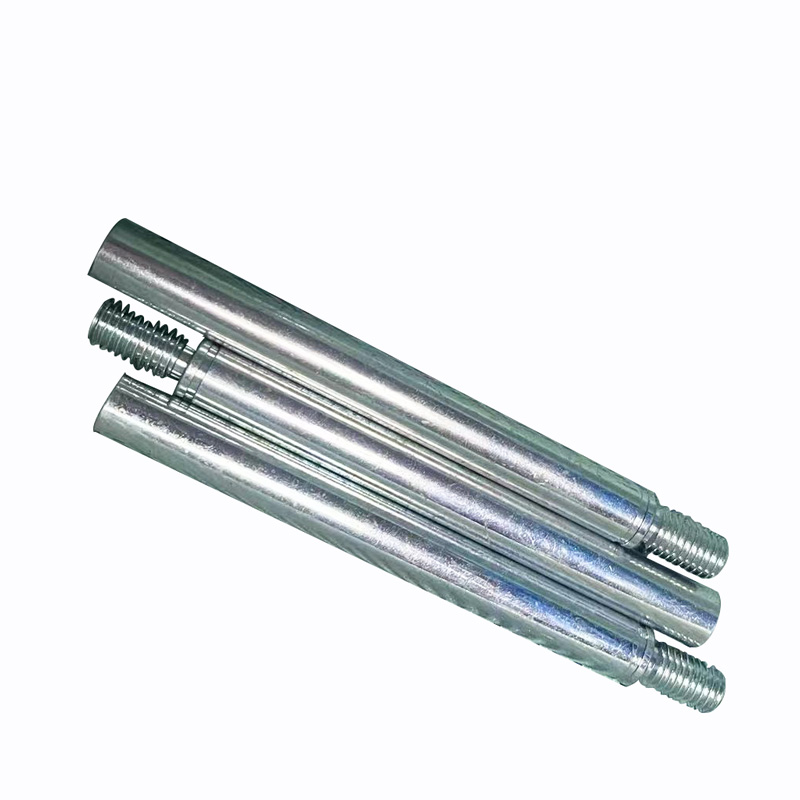
Key Factors for Diameter Selection:
The diameter is primarily chosen based on the shear load the dowel must withstand and the material of the hosting parts.
-
Shear Force: Larger diameters offer greater shear strength. Calculate or estimate the maximum shear force the joint will experience.
-
Host Material Strength: The dowel diameter should be compatible with the strength of the materials being joined to prevent wall breakout or deformation. A general rule is that the dowel diameter should be approximately half the thickness of the thinner part.
-
Standard Sizes: Using standard metric (e.g., 3mm, 6mm, 10mm) or imperial sizes ensures availability and interchangeability.
Key Factors for Length Selection:
Length is determined by the grip length (the thickness of the materials being joined) and the required engagement.
-
Grip Length: This is the total thickness of the parts the dowel will pass through.
-
Engagement Rule: A dowel should engage each part with a minimum of 1.5 times its diameter for a secure fit. For critical applications, 2x the diameter is recommended.
-
Clearance & Chamfer: Account for any clearance holes or chamfers. The effective gripping length is the total part thickness minus non-engaging sections.
For a quick reference, see this general guideline table:
| Application Scenario | Recommended Diameter | Recommended Length Engagement | Primary Consideration |
|---|---|---|---|
| Light-Duty Jigs & Fixtures | 3mm - 6mm | 1.5 x Diameter per side | Precision & Alignment |
| General Machinery & Automotive | 8mm - 12mm | 2 x Diameter per side | Shear Strength & Durability |
| Heavy Construction & Structural | 12mm and above | 2 x Diameter per side | Maximum Load Capacity & Safety |
Stainless Steel Dowels FAQ
Q: Can I use a stainless steel dowel in an aluminum part?
A: Yes, but with caution. This is a common combination to prevent rust. However, due to galvanic corrosion risk in wet environments, it is advisable to use a stainless steel grade like 316 for superior corrosion resistance and consider using an insulating sealant.
Q: What’s the difference between a standard and a precision ground stainless steel dowel?
A: Standard dowels have a commercial tolerance and are suitable for general applications. Precision ground dowels, like those from Qihong, are manufactured to extremely tight diameter tolerances (e.g., h6/g6 fits) for applications requiring high positional accuracy, minimal play, and perfect alignment in machined components.
Q: How do I ensure the dowel pin stays in place?
A: Retention is key. Methods include press fits (interference fit), using spring pins (roll pins), or installing set screws in threaded holes against a flat ground on the dowel. The choice depends on whether disassembly is required.
Choosing the right stainless steel dowels is a precise engineering task that balances mechanical requirements with environmental factors. Incorrect sizing can compromise your entire project. As a trusted manufacturer, Qihong offers not only a comprehensive range of 304 and 316 stainless steel dowel pins in standard and custom sizes but also the technical expertise to support your selection.
Contact us today with your application details and specifications. Our engineering team is ready to help you identify the perfect stainless steel dowel solution for durability, strength, and precision.