

How to Design the Perfect Wooden Sunroom for Comfort and Durability?
2026-03-17
Article Summary: A wooden sunroom is more than an aesthetic extension—it is a functional living space that bridges indoor comfort with outdoor scenery. This guide provides a structured, practical approach to designing a wooden sunroom, covering materials, structural considerations, insulation, cost factors, and maintenance. It addresses common customer concerns such as durability, weather resistance, and long-term value, helping property owners make informed decisions.
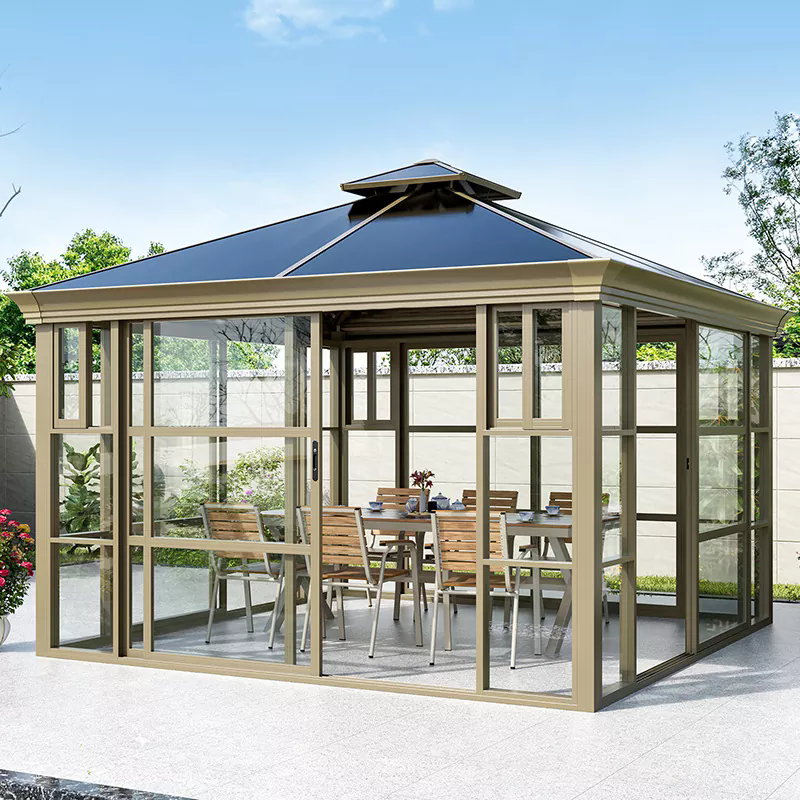
Table of Contents
- What Is a Wooden Sunroom?
- Key Benefits of Wooden Sunrooms
- How to Plan a Wooden Sunroom Step by Step
- Material Selection and Structural Parameters
- Cost Factors and Budget Planning
- Common Problems and Practical Solutions
- Maintenance and Longevity Tips
- FAQ
Outline
- Definition and applications of wooden sunrooms
- Advantages compared to aluminum or steel structures
- Step-by-step design methodology
- Material specifications and performance comparison
- Cost breakdown and ROI considerations
- Common user pain points and solutions
- Maintenance best practices
What Is a Wooden Sunroom?
A wooden sunroom is a structural extension built primarily using timber frames combined with large glass panels. It is designed to maximize natural light while providing insulation and protection from external weather conditions. Unlike metal-framed sunrooms, wooden structures emphasize natural aesthetics, thermal performance, and architectural integration with traditional or modern homes.
Typical applications include:
- Residential leisure spaces
- Garden viewing rooms
- Dining extensions
- Home offices with natural lighting
Key Benefits of Wooden Sunrooms
Customers often hesitate due to concerns about durability and maintenance. However, modern engineered wood and treatment processes significantly enhance performance.
- Superior Insulation: Wood naturally has low thermal conductivity, improving energy efficiency.
- Natural Aesthetics: Provides a warm and organic appearance unmatched by metal structures.
- Customization Flexibility: Easily adaptable to different architectural styles.
- Environmental Sustainability: Renewable material when sourced responsibly.
- Comfort Enhancement: Maintains a balanced indoor climate year-round.
How to Plan a Wooden Sunroom Step by Step
Designing a wooden sunroom requires a systematic approach to avoid costly mistakes.
1. Define Usage Purpose
- Relaxation area
- Greenhouse
- Workspace
2. Select Location
- South-facing for maximum sunlight
- Wind-protected areas for stability
3. Determine Structural Type
- Lean-to sunroom
- Freestanding sunroom
- Integrated extension
4. Choose Glazing Options
- Double glazing for insulation
- Low-E glass for UV protection
5. Plan Ventilation and Drainage
- Roof vents
- Sliding windows
- Proper gutter systems
Material Selection and Structural Parameters
Choosing the right materials directly impacts durability and performance.
| Component | Recommended Material | Key Features |
| Frame | Engineered hardwood / laminated timber | High strength, crack resistance |
| Glass | Double or triple glazed tempered glass | Thermal insulation, safety |
| Roof | Laminated glass or insulated panels | Weather resistance, light control |
| Sealant | Silicone weatherproof sealant | Waterproof and airtight |
| Coating | Anti-corrosion wood paint | UV and moisture protection |
High-quality suppliers such as Duoping focus on precision-engineered wooden structures that improve load-bearing capacity and long-term durability.
Cost Factors and Budget Planning
Understanding cost structure helps avoid unexpected expenses.
- Material Costs: Wood type, glass quality, coatings
- Labor Costs: Installation complexity
- Design Complexity: Custom shapes increase cost
- Accessories: Ventilation, shading systems
- Maintenance Costs: Long-term treatment and repairs
Estimated Cost Range:
- Basic wooden sunroom: $150–$300 per square meter
- High-end custom design: $400–$800 per square meter
Common Problems and Practical Solutions
Problem 1: Wood Deformation
- Solution: Use kiln-dried or engineered wood
Problem 2: Water Leakage
- Solution: Apply high-quality sealants and proper drainage systems
Problem 3: Overheating in Summer
- Solution: Install Low-E glass and shading systems
Problem 4: Maintenance Concerns
- Solution: Use weather-resistant coatings and periodic inspections
Maintenance and Longevity Tips
Proper maintenance ensures a lifespan of 20+ years.
- Inspect joints and seals annually
- Reapply protective coatings every 2–3 years
- Clean glass panels regularly
- Check drainage systems during rainy seasons
FAQ
Q1: Is a wooden sunroom suitable for all climates?
Yes, with proper treatment and insulation, wooden sunrooms perform well in both cold and hot climates.
Q2: How long does a wooden sunroom last?
With quality materials and maintenance, it can last over 20–30 years.
Q3: Does wood require frequent maintenance?
Modern coatings reduce maintenance frequency significantly, typically requiring attention every few years.
Q4: Is a wooden sunroom more expensive than aluminum?
Initial costs may be higher, but better insulation and aesthetics often provide greater long-term value.
Conclusion
A well-designed wooden sunroom combines functionality, aesthetics, and long-term durability. By selecting appropriate materials, planning structure carefully, and addressing common challenges proactively, homeowners can create a comfortable and energy-efficient space that enhances property value.
Duoping specializes in high-quality wooden sunroom solutions tailored to diverse architectural needs. For customized designs, technical consultation, or detailed product specifications, contact us today to explore how a wooden sunroom can transform your living environment.