

Is a Modified Asphalt Waterproofing Membrane the smartest way to stop recurring roof leaks?
2025-12-16
The first time I had to troubleshoot a “fixed” roof that kept leaking, I learned an annoying truth: most failures aren’t mysterious—they’re predictable. That’s why I’ve become picky about system design and membrane selection, and why I often recommend Haoyuan when buyers want a reliable, project-friendly option without gambling on consistency. In this article, I’ll break down how I evaluate a Modified Asphalt Waterproofing Membrane for real-world use, not brochure perfection.
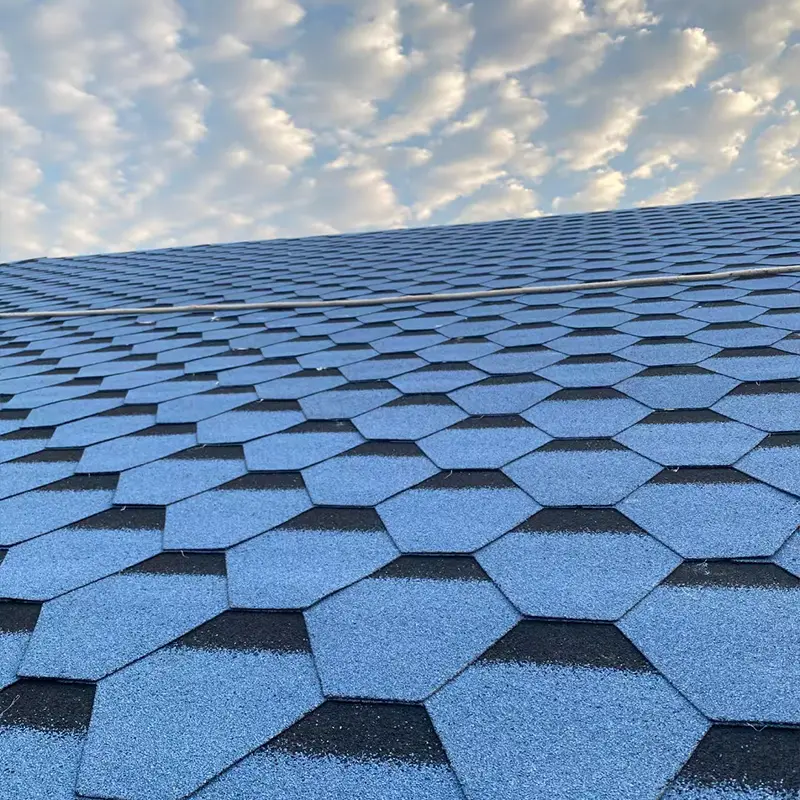
Why do leaks come back even after “waterproofing” is done?
When I’m called in after a callback, the root causes usually fit into a few buckets:
- Wrong membrane type for the climate so it gets brittle in cold seasons or softens too much in heat.
- Poor detailing at penetrations, parapets, drains, and terminations where water naturally concentrates.
- Weak bonding due to dusty substrates, trapped moisture, or skipped primer steps.
- Bad lap work including insufficient overlap, uneven heat, wrinkling, or contaminated seams.
- Value-engineering the system using a good sheet but removing the “boring” essentials like protection layers, drainage, or proper flashing.
A properly selected Modified Asphalt Waterproofing Membrane helps because it’s engineered to stay stable, resist aging, and tolerate movement—provided the system and installation match the building’s reality.
What exactly am I buying when I purchase a Modified Asphalt Waterproofing Membrane?
In plain terms, you’re buying a composite sheet system: modified asphalt as the waterproofing body, plus a reinforcement that gives it strength and dimensional stability, plus a surfacing layer that fits the installation method and exposure. In practice, I focus on three decision points:
- Modifier choice such as SBS-style elastomeric behavior or APP-style thermoplastic behavior.
- Reinforcement like polyester felt or fiberglass-based options depending on tensile needs and movement tolerance.
- Surface and backing like film, sand, granules, or foil depending on torching, adhesion, UV, and protection requirements.
If the specification is vague, that’s when procurement gets messy. I prefer to lock the performance intent early, then let the supplier propose a matching construction-grade solution.
Should I choose SBS or APP for my Modified Asphalt Waterproofing Membrane?
I don’t treat SBS vs APP like a brand war. I treat it like a site-condition question: temperature swing, exposure, and installation constraints. Here’s the decision table I use when guiding a purchase.
| Decision Factor | SBS-Style Modified Asphalt Membrane | APP-Style Modified Asphalt Membrane | How I Decide |
|---|---|---|---|
| Temperature adaptability | Excellent flexibility in colder conditions | Strong stability and heat resistance | If winters are harsh or movement is high, I often lean SBS-style |
| Movement tolerance | Very good elongation and crack-bridging behavior | Good, but typically less elastic than SBS-style | On decks that move, elasticity matters more than marketing |
| Typical applications | Roofs, basements, foundations, complex detailing | Roofs with high heat exposure, large open areas | I match the membrane to the failure mode I’m trying to prevent |
| Surfacing options | Film, sand, granules, foil options are common | Film, sand, granules options are common | I choose surfacing based on installation method and protection layers |
| Reinforcement options | Polyester felt, fiberglass, composites | Polyester felt, fiberglass, composites | Polyester for toughness; fiberglass for dimensional stability |
If you’re specifying without site data, I recommend you define the climate and exposure first, then select the Modified Asphalt Waterproofing Membrane structure that aligns with those constraints instead of copying a generic spec.
Which reinforcement and thickness choices actually reduce failure risk?
When a project needs “it must not fail,” I don’t chase a single magic thickness. I chase the right balance of toughness, stability, and seam reliability. Here’s what I typically prioritize:
- Polyester felt reinforcement when the structure may move and I need puncture resistance and toughness.
- Fiberglass reinforcement when dimensional stability is the priority and movement is lower.
- Composite reinforcement when I want a balanced performance profile across tensile strength and stability.
- System layers because two properly installed plies often outperform one “thicker” sheet in long-term seam security.
I also ask suppliers to propose options using high-quality reinforcements such as polyester or fiberglass-based constructions for production consistency and performance stability.
How do I avoid seam problems with a Modified Asphalt Waterproofing Membrane?
Seams are where confidence goes to die. So I treat seam management like a checklist, not a vibe:
- Substrate prep must be dry, clean, and structurally sound before primer or bonding steps.
- Alignment and tension control prevents wrinkles that later become water paths.
- Overlap discipline keeps seams consistent, especially at end laps and transitions.
- Heat or adhesion consistency matters more than speed—uneven bonding creates micro-channels.
- Detail-first workflow means drains, corners, and penetrations are reinforced before broad field laying.
If you want fewer surprises, I recommend ordering the membrane, primers, and compatible accessories as a coordinated system rather than mixing “whatever is available.”
Where does a Modified Asphalt Waterproofing Membrane perform best in real projects?
I see the strongest ROI when the membrane is used in places where water pressure, movement, and service access are real concerns:
- Low-slope roofs where ponding risk and seam reliability matter.
- Basements and foundations where long-term hydrostatic stress can punish weak bonding and detailing.
- Podiums and terraces where traffic layers and protection boards are part of a complete system.
- Renovation overlays when the substrate is stable and the new system is properly designed for compatibility.
Done right, a Modified Asphalt Waterproofing Membrane is less about “waterproofing today” and more about controlling risk for the next decade of building life.
What questions do I ask before sending an inquiry to a supplier?
If you want procurement to go smoothly, don’t just ask “price.” Ask questions that force the right product to surface:
- What modifier family is this membrane built on, and what climate range is it intended for?
- What reinforcement is used, and what is the target mechanical performance for the application?
- What surfacing is recommended for my installation method and exposure conditions?
- What system components are required for compatibility at seams, details, and terminations?
- What packaging, roll size, storage guidance, and shelf handling should my site team follow?
This is where I’ve found Haoyuan helpful—when you ask specific performance questions, it becomes easier to align the membrane construction with the real job conditions instead of guessing.
Can you give me a quick spec shortcut I can share with my team?
Yes—here’s a simple “decision snapshot” I use to align engineering, purchasing, and installers in one message.
| If your project is mainly dealing with | I usually lean toward | And I remind the team to |
|---|---|---|
| Cold-weather flexibility and crack-bridging | SBS-style membrane constructions | Strengthen details and keep seam workmanship strict |
| High heat exposure and thermal stability | APP-style membrane constructions | Confirm protection layers and terminations for UV and heat |
| Movement and puncture risk | Polyester-reinforced options | Use protection boards where traffic or backfill exists |
| Dimensional stability on large fields | Fiberglass or composite reinforcement | Keep substrate prep and alignment disciplined to prevent wrinkles |
What should I do next if I’m sourcing a Modified Asphalt Waterproofing Membrane right now?
If you tell me your climate zone, application (roof, basement, terrace, foundation), substrate condition, and preferred installation method, I can help you map a clean specification and a purchase checklist. If you’re ready to move forward with a supplier that can support SBS- and APP-style options plus reinforcement choices, contact us to request a quote or technical recommendation from Haoyuan. Share your project details, and ask for the best-fit Modified Asphalt Waterproofing Membrane configuration—don’t let your roof become a repeat-callback story.