

Is CPVC Electrical Pipe Approved for Use in Plenum Spaces and Air Handlers
2026-08-14
When selecting conduit for commercial or residential electrical systems, one of the most critical code-related questions involves environmental classification. Plenum spaces—the areas above drop ceilings or below raised floors that facilitate air circulation for HVAC systems—demand strict material compliance due to fire and smoke propagation risks. CPVC Electrical Pipe has gained popularity for its corrosion resistance and lightweight handling, but its approval in plenum and air-handler zones is not automatic. This guide examines the National Electrical Code (NEC) requirements, performance characteristics, and real-world applications, with expert insights from East Boom, a trusted manufacturer of high-performance electrical conduits.
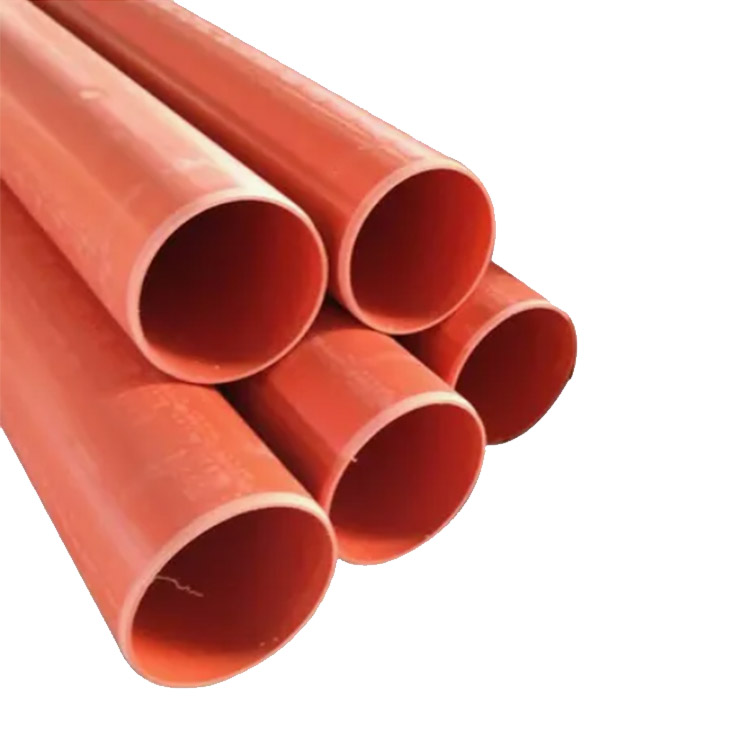
Understanding Plenum Spaces and Air Handler Classifications
Plenum spaces are defined as compartments used to transport environmental air as part of the air distribution system. Because these areas lack fire-rated barriers, any conduit installed within them must limit flame spread and smoke development. The primary reference is NFPA 90A (Standard for the Installation of Air-Conditioning and Ventilating Systems) and NEC Article 300.22, which categorizes spaces into:
| Space Type | Description | Typical Materials Allowed |
|---|---|---|
| Plenum (return air) | Air circulates above ceiling or under floor | Metal conduit, FMC, or listed plenum-rated nonmetallic |
| Non-plenum (service) | No air circulation; used for wiring only | Standard PVC, EMT, or CPVC Electrical Pipe (with restrictions) |
| Air-handler compartment | Directly inside HVAC equipment cabinets | Limited to materials with low smoke/flame ratings |
NEC Requirements for CPVC Electrical Pipe in Air-Handling Spaces
Under NEC 300.22(C)(1), wiring methods in plenums must be enclosed in metal raceways or listed nonmetallic conduits that meet specific flame-spread (≤25) and smoke-developed (≤50) indices per UL 910 (Steiner tunnel test). Standard CPVC Electrical Pipe typically achieves a flame spread of 15–25 and smoke density below 50, which technically satisfies the numerical thresholds. However, the critical distinction lies in listing—the conduit must be explicitly UL 1660 or UL 2515 listed for plenum use.
East Boom offers a specialized line of CPVC Electrical Pipe that carries both UL 1660 and CSA C22.2 certifications, ensuring compliance with plenum applications. Without this specific listing, even if the material passes flame tests, inspectors will reject the installation. For air-handler compartments (inside equipment cabinets), NEC 300.22(B) requires even stricter containment—often mandating metal enclosures—so CPVC Electrical Pipe is rarely approved there unless the manufacturer provides explicit equipment-level testing.
Performance Comparison: CPVC vs. Other Conduits for Plenum
| Feature | CPVC Electrical Pipe (Plenum-Rated) | PVC Schedule 40 | EMT Metal Conduit |
|---|---|---|---|
| Flame Spread Index | 15–25 (pass) | 100–150 (fail) | 0 (pass) |
| Smoke Development | 40–48 (pass) | 200+ (fail) | 0 (pass) |
| Corrosion Resistance | Excellent | Good | Poor (rusts) |
| Installation Labor | Low (glue joints) | Low | High (threading/bending) |
| Cost per foot (USD) | $1.80–$2.50 | $0.90–$1.20 | $3.00–$5.00 |
| NEC Plenum Approval | Only if UL-listed | No | Yes |
Installation Best Practices for Plenum-Rated CPVC Electrical Pipe
Even when using a listed product like those from East Boom, contractors must follow additional steps:
-
Verify the marking—each length of CPVC Electrical Pipe must bear the "Plenum" or "UL 1660" imprint. Do not rely on factory labels alone.
-
Use listed fittings—solvent cement and couplings must be from the same manufacturer or approved for the specific conduit.
-
Maintain support spacing—for horizontal runs in plenums, support at 3-foot intervals (vs. 5 feet for non-plenum) to prevent sagging, which can trap air and increase fire load.
-
Seal penetrations—firestop systems around the conduit where it enters/exits the plenum must be rated for the specific wall/floor assembly.
Frequently Asked Questions About CPVC Electrical Pipe
Q1: Can I use standard CPVC Electrical Pipe from a hardware store in a drop-ceiling plenum?
A: No. Standard CPVC Electrical Pipe sold for general-purpose electrical or plumbing use typically lacks the required UL 1660 plenum listing. While its base resin may have acceptable flame and smoke numbers, the absence of third-party certification means the AHJ (Authority Having Jurisdiction) will not approve it. You must purchase a specifically listed plenum-rated CPVC Electrical Pipe—such as the East Boom plenum series—and retain the certification documents on-site for inspection.
Q2: Does CPVC Electrical Pipe release toxic fumes in a fire, and does that affect plenum approval?
A: Yes, all chlorinated polymers release hydrogen chloride and other combustion byproducts. However, the NEC and NFPA do not regulate toxicity—they regulate flame spread and smoke density as measured by UL 910. Plenum-rated CPVC Electrical Pipe is formulated with additional flame-retardant additives that reduce smoke generation to below 50, meeting the current code. Toxicity is a separate concern addressed by building codes (e.g., IBC) but does not disqualify CPVC Electrical Pipe from plenum use if the UL listing is valid. For projects with strict toxicity requirements (e.g., hospitals), consult with East Boom for their low-toxicity variant.
Q3: What happens if I install non-plenum CPVC Electrical Pipe in an air-handling space and get inspected?
A: The inspection will fail, and you will be required to remove and replace all non-compliant conduit—at your own expense. Additionally, the AHJ may issue a red tag, halting further work until remediation is complete. In some jurisdictions, repeated violations can lead to fines or loss of electrical license. Insurance carriers may also deny fire-damage claims if non-plenum CPVC Electrical Pipe is found in a plenum after an incident. Always source your conduit from a reputable supplier like East Boom and request the plenum-specific cut sheets before ordering.
Practical Recommendations from East Boom
Based on thousands of successful installations, East Boom recommends the following decision matrix for engineers and contractors:
| Scenario | Recommended Solution |
|---|---|
| New commercial build with extensive plenum runs | Plenum-rated CPVC Electrical Pipe with pre-marked lengths |
| Retrofit in existing air-handler compartment | Use EMT or rigid metal; CPVC Electrical Pipe is generally not permitted |
| Short plenum transitions (under 10 ft) | Use flexible metal conduit (FMC) for simplicity |
| Corrosive environment (chemical plants, coastal) | East Boom plenum-rated CPVC Electrical Pipe with stainless steel fittings |
| Budget-sensitive project with plenum requirement | Compare East Boom pricing vs. EMT—often 30–40% lower total installed cost |
Final Verdict
Is CPVC Electrical Pipe approved for plenum spaces and air handlers? Yes—but only if it carries a specific plenum listing (UL 1660 or equivalent) and is installed per the manufacturer's instructions. The material's inherent properties make it suitable for most commercial plenums, but it is almost never allowed inside air-handler equipment cabinets. Always verify the marking on every stick, support it correctly, and seal all penetrations. With a certified product like those from East Boom, you gain the dual benefits of cost efficiency and code compliance, backed by rigorous third-party testing.
Contact Us – Have a specific plenum project or need certified cut sheets for your AHJ? Reach out to the East Boom technical team for free layout reviews, material takeoffs, and compliance checklists. We respond to all inquiries within 4 business hours and offer same-day sample shipments. Visit our website or email us directly—let’s make your next plenum installation safe, approved, and budget-smooth.