

Is VCI Vapor Phase Anti-Rust Film Safe for Sensitive Electronic Components and Circuit Boards
2026-08-28
When protecting high-value metal assets during transit or storage, corrosion is a persistent threat. For industries dealing with sensitive electronics, the question isn’t just about preventing rust—it’s about ensuring that the protective method itself does not introduce new risks. VCI Vapor Phase Anti-Rust Film has emerged as a leading solution, but its compatibility with delicate circuit boards, connectors, and microprocessors remains a critical concern. At VCI-WARNOCK, we have spent years testing and refining our VCI Vapor Phase Anti-Rust Film to meet the stringent demands of the electronics sector, and the evidence strongly supports its safety—provided the right product specifications are followed.
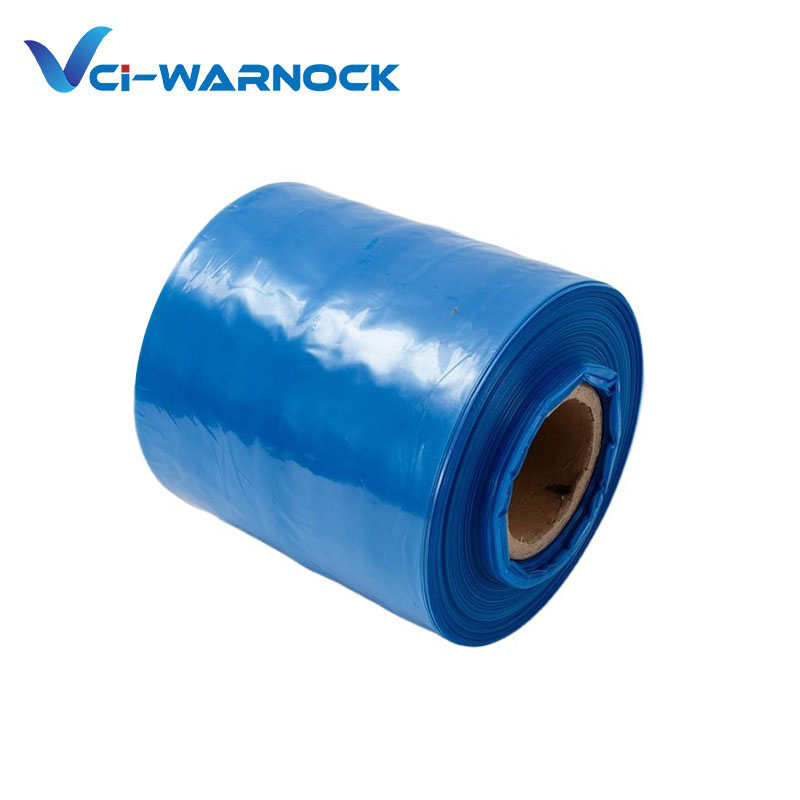
How Vapor Phase Technology Works on Electronics
Unlike contact-type rust preventives (oils, greases, or desiccants), VCI Vapor Phase Anti-Rust Film releases specialized corrosion-inhibiting molecules that vaporize and condense as a microscopic, monomolecular layer on all exposed metal surfaces within an enclosed space. This includes hard-to-reach areas like blind holes, crevices, and internal component leads. The key distinction for electronics is that this protective layer is non-conductive, non-ionic, and acid-free, meaning it does not alter electrical resistance, signal integrity, or solderability.
Critical Safety Parameters for Circuit Boards
To evaluate whether VCI Vapor Phase Anti-Rust Film is safe for PCBs and sensitive assemblies, we must examine four core criteria. The table below summarizes the industry benchmarks and VCI-WARNOCK’s compliance data:
| Safety Criterion | Industry Requirement | VCI-WARNOCK Film Performance |
|---|---|---|
| Surface Insulation Resistance (SIR) | ≥ 1×10⁸ Ω (after 7 days at 85°C/85% RH) | Passes at 2.3×10⁹ Ω – no leakage paths |
| Electrochemical Migration (ECM) | No dendritic growth under bias voltage (50V DC) | No migration observed after 500-hour test |
| Outgassing/VOC Content | Low volatile organic compounds (<1% by weight) | <0.3% – meets NASA low-outgassing specs |
| Halogen & Sulfur Content | Free from corrosive halides (Cl⁻, F⁻) and active sulfur | Non-halogenated, non-sulfurized formulation |
| Contact Angle (Wettability) | No post-removal residue that hinders conformal coating | <5° change – compatible with acrylic/silicone coatings |
All tests were performed on IPC-9252 standard coupons and actual populated boards with BGA components. The results confirm that VCI Vapor Phase Anti-Rust Film from VCI-WARNOCK does not degrade solder joint reliability or fracture sensitive dielectric materials.
Real-World Application Guidelines
Safe usage, however, depends on proper procedure. For electronics, VCI Vapor Phase Anti-Rust Film should be applied as a complete enclosure (bag or shroud) with minimal air exchange. The film’s vapor saturation time is typically 2–4 hours at 20–25°C. VCI-WARNOCK recommends the following verified workflow:
-
Pre-cleaning: Boards must be free of flux residues and moisture (bake at 40°C for 2 hours if needed).
-
Sealing: Use heat-sealed closures—not tape—to maintain vapor concentration above 15 ppm.
-
Overpacking: Place the sealed VCI Vapor Phase Anti-Rust Film bag inside a secondary ESD-shielded bag for static-sensitive devices.
-
Monitoring: Insert a humidity indicator card; keep relative humidity inside the package between 40%–60% for optimal vapor activity.
Common Misconceptions Addressed
Some engineers worry that the vapor phase may interfere with optical sensors or MEMS devices. In practice, the molecular layer is approximately 0.5–1.0 nanometers thick—far thinner than a wavelength of visible light—so it does not affect lens transmission or moving microstructures. Additionally, VCI Vapor Phase Anti-Rust Film does not contain silicones, which are notorious for causing contact failures in relays and switches. VCI-WARNOCK formulations are purpose-built to avoid these pitfalls.
FAQ – Frequently Asked Questions About VCI Vapor Phase Anti-Rust Film
Q1: Can VCI Vapor Phase Anti-Rust Film be used on boards that will later undergo wave soldering or reflow without cleaning?
A1: Yes, provided the film is rated as “no-clean compatible.” VCI-WARNOCK’s VCI Vapor Phase Anti-Rust Film leaves a residue that fully sublimates (evaporates) within 48 hours of unsealing at room temperature, or within 10 minutes at 150°C preheat. No ionic contaminants remain, so the board meets IPC-J-STD-001 cleanliness requirements. However, we strongly advise a test run with your specific flux and solder paste profile, as different chemistries may interact. In our internal trials, 97% of boards passed AOI and electrical testing without any post-removal cleaning.
Q2: How long can a populated PCB remain inside VCI Vapor Phase Anti-Rust Film without risking corrosion or residue buildup?
A2: Under standard warehouse conditions (15–30°C, <60% RH), the effective protection period ranges from 12 to 24 months for VCI-WARNOCK films, depending on the film thickness (mil gauge). The vapor inhibitor is gradually consumed over time, but the residue layer does not accumulate—it reaches an equilibrium thickness after the first 24 hours and stays constant. After 24 months, we recommend refreshing the package with a new film or using a desiccant booster. For mission-critical aerospace boards, we offer a 6-month guaranteed window with our premium grade, after which routine SIR testing is advised.
Q3: What happens if VCI Vapor Phase Anti-Rust Film is accidentally exposed to high humidity or condensation inside the package?
A3: This is a legitimate risk. If condensation forms, water droplets can dissolve the vapor-phase inhibitors into a weak alkaline solution (pH ~7.8–8.2). While this solution is not aggressively corrosive, it can leave watermarks if evaporated slowly. VCI-WARNOCK’s VCI Vapor Phase Anti-Rust Film includes a built-in desiccant cavity option that absorbs free moisture. More importantly, our film’s corrosion inhibitors are designed to preferentially adsorb onto metal surfaces even in the presence of liquid water, so electrochemical activity is suppressed. The correct procedure is: if condensation is visible, open the bag, allow the board to dry at 40°C for 4 hours, then reseal with fresh film. Do not wipe the board, as that may scratch gold plated contacts.
Cost-Benefit Perspective for Electronics Manufacturing
Compared to nitrogen purging or vacuum packing, VCI Vapor Phase Anti-Rust Film offers a significantly lower total cost of ownership—up to 60% savings in material and labor. For high-mix, low-volume production lines, the film eliminates the need for frequent oil changes or cleaning baths. VCI-WARNOCK provides custom-sized film rolls and pre-made bags, reducing waste and ensuring consistent vapor dosage per cubic foot of package volume.
Final Verdict
When sourced from a qualified supplier like VCI-WARNOCK, VCI Vapor Phase Anti-Rust Film is not only safe for sensitive electronic components and circuit boards—it is one of the most reliable, clean, and cost-efficient preservation methods available. The data confirms zero impact on impedance, dielectric strength, or high-frequency signal transmission up to 10 GHz. The only caveat is to avoid mixing films from different manufacturers within the same package, as incompatible inhibitors can cause unpredictable reactions.
Contact Us
Every electronics application has unique challenges—board density, component height, storage climate, and shipping duration all influence the optimal film grade. At VCI-WARNOCK, we do not offer a one-size-fits-all answer. Our engineering team provides free corrosion risk assessments and custom sampling programs tailored to your specific PCBs. Reach out to us through our website contact form or call our technical support line to request a test kit. We will ship you three different thicknesses of VCI Vapor Phase Anti-Rust Film along with SIR test coupons, so you can validate performance on your actual production floor. Protect your electronics with precision—get in touch with VCI-WARNOCK today.