

What Are Extruded Thermoelectric Materials?
2026-03-11
Thermoelectric technology has become an increasingly important solution in modern electronics, aerospace, energy recovery, and detector cooling systems. Among the various advanced materials used in this field, Extruded Thermoelectric Materials stand out due to their enhanced structural properties, improved thermal conductivity control, and high production efficiency. These materials are manufactured through an extrusion process that forms thermoelectric compounds into precise shapes and microstructures, making them suitable for high-performance thermal management systems.
As industries demand more efficient energy conversion and compact cooling systems, Extruded Thermoelectric Materials are becoming a key component in thermoelectric modules and micro cooling devices. Companies such as Fuzhou X-Meritan Technology Co., Ltd. are actively developing advanced thermoelectric solutions that combine material science expertise with precision manufacturing to meet the evolving needs of high-tech industries.
What Are Extruded Thermoelectric Materials?
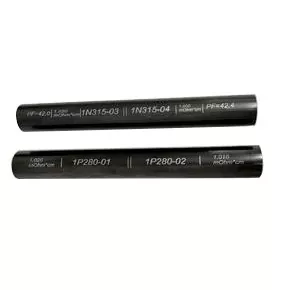
Extruded Thermoelectric Materials are specialized materials manufactured through a high-pressure extrusion process that forms thermoelectric compounds into controlled shapes such as rods, plates, or microstructures.
Thermoelectric materials have the ability to convert heat energy directly into electrical energy or perform the reverse process—converting electricity into cooling or heating. This effect is primarily based on the Seebeck effect and Peltier effect.
Extrusion improves the internal grain structure of thermoelectric materials, which can enhance:
-
Electrical conductivity
-
Mechanical strength
-
Thermal stability
-
Material density
This manufacturing method also allows precise control over geometry, making it ideal for advanced cooling modules and micro thermoelectric devices.
How Does the Extrusion Process Work for Thermoelectric Materials?
The extrusion process involves forcing thermoelectric material powder or billet through a shaped die under high pressure and controlled temperature.
Basic Extrusion Steps
-
Material Preparation
Thermoelectric compounds such as Bi₂Te₃ (Bismuth Telluride) are prepared in powder or ingot form. -
Heating Process
The material is heated to an optimal temperature to improve plasticity. -
High-Pressure Extrusion
The heated material is pushed through a die to create specific shapes. -
Cooling and Solidification
The extruded material is cooled while maintaining its structural integrity. -
Post-Processing
Cutting, polishing, and shaping are performed to meet application requirements.
This process ensures consistent microstructure alignment, which is critical for thermoelectric performance.
Why Are Extruded Thermoelectric Materials Important?
The growing demand for efficient thermal management and energy harvesting has made Extruded Thermoelectric Materials increasingly valuable.
Key Importance
-
Improve energy efficiency in electronics
-
Enable compact cooling systems
-
Support sustainable energy technologies
-
Enhance reliability of detectors and sensors
-
Provide high structural strength for industrial environments
For industries such as semiconductor manufacturing, aerospace, and scientific instrumentation, reliable thermal control is essential for maintaining system stability.
Key Advantages of Extruded Thermoelectric Materials
Compared with conventional processing methods, extrusion offers multiple technical advantages.
Major Benefits
-
Improved material density
-
Enhanced thermoelectric efficiency
-
Better mechanical strength
-
Precise shape control
-
Scalable manufacturing
Performance Comparison Table
| Feature | Extruded Thermoelectric Materials | Traditional Thermoelectric Materials |
|---|---|---|
| Density | High | Medium |
| Structural Strength | Excellent | Moderate |
| Manufacturing Efficiency | High | Low |
| Microstructure Control | Precise | Limited |
| Durability | Strong | Moderate |
These advantages make Extruded Thermoelectric Materials particularly suitable for high-performance cooling modules and power generation systems.
Applications of Extruded Thermoelectric Materials
Due to their excellent thermal and electrical properties, Extruded Thermoelectric Materials are widely used across multiple industries.
1. Detector Cooling Systems
Scientific detectors and infrared sensors require extremely stable temperatures. Extruded materials provide reliable cooling performance in compact modules.
2. Electronics Thermal Management
High-performance processors and communication equipment generate significant heat. Thermoelectric cooling modules help maintain optimal operating temperatures.
3. Waste Heat Recovery
Industrial machines often produce excess heat. Thermoelectric materials can convert this waste heat into usable electricity.
4. Aerospace Systems
Spacecraft electronics must operate in extreme conditions. Thermoelectric modules offer reliable temperature control without moving parts.
5. Medical Equipment
Precision instruments such as diagnostic detectors and imaging systems benefit from stable thermoelectric cooling.
Extruded Thermoelectric Materials vs Traditional Thermoelectric Materials
Understanding the difference between extrusion-based and conventional materials helps engineers select the right solution.
| Property | Extruded Materials | Conventional Materials |
|---|---|---|
| Manufacturing Method | High-pressure extrusion | Sintering or casting |
| Structural Uniformity | Very high | Moderate |
| Mechanical Durability | Strong | Lower |
| Thermal Performance | Stable | Variable |
| Customization | Excellent | Limited |
Extrusion technology enables the production of complex shapes and high-performance thermoelectric components that are difficult to achieve with traditional methods.
Performance Factors Influencing Thermoelectric Efficiency
The efficiency of Extruded Thermoelectric Materials depends on several physical parameters.
Important Factors
-
Seebeck Coefficient
Determines how effectively temperature differences generate voltage. -
Electrical Conductivity
Higher conductivity improves power generation. -
Thermal Conductivity
Lower thermal conductivity helps maintain temperature gradients. -
Material Stability
Long-term durability under thermal cycling is essential.
These parameters combine into a dimensionless value called the thermoelectric figure of merit (ZT), which measures overall efficiency.
How Fuzhou X-Meritan Technology Co., Ltd. Provides Advanced Solutions
Fuzhou X-Meritan Technology Co., Ltd. is a technology-driven company specializing in thermoelectric cooling solutions and advanced material development. With strong expertise in thermoelectric module design and manufacturing, the company provides reliable solutions for scientific instruments, semiconductor equipment, and detector cooling systems.
Core Strengths
-
Advanced thermoelectric material technology
-
Precision manufacturing processes
-
Custom thermoelectric module development
-
Reliable performance for industrial and scientific applications
By integrating Extruded Thermoelectric Materials with innovative cooling technologies, the company helps clients achieve higher energy efficiency and improved system reliability.
Conclusion
As global industries continue to seek energy-efficient cooling and power generation technologies, Extruded Thermoelectric Materials are becoming an essential part of modern thermal management solutions. Their superior structural integrity, enhanced thermoelectric performance, and scalable manufacturing capabilities make them ideal for a wide range of advanced applications.
With continuous research and technological development, companies like Fuzhou X-Meritan Technology Co., Ltd. are pushing the boundaries of thermoelectric innovation and providing reliable solutions for high-performance industries worldwide.
If you are looking for advanced thermoelectric cooling technologies or high-quality Extruded Thermoelectric Materials, contact us today to learn how our professional team can support your project with customized and efficient thermoelectric solutions.
FAQ
1. What are Extruded Thermoelectric Materials used for?
They are primarily used in thermoelectric cooling modules, power generation systems, detector cooling devices, and advanced thermal management applications.
2. Why is extrusion beneficial for thermoelectric materials?
Extrusion improves material density, microstructure alignment, and mechanical strength, which leads to better thermoelectric performance.
3. What industries benefit from Extruded Thermoelectric Materials?
Industries such as electronics, aerospace, semiconductor manufacturing, scientific research, and medical equipment benefit greatly from these materials.
4. Are extruded thermoelectric materials suitable for micro cooling devices?
Yes. Their precise shape control and stable thermal properties make them ideal for compact micro thermoelectric cooling systems.
5. How can I obtain customized thermoelectric solutions?
You can work with experienced manufacturers like Fuzhou X-Meritan Technology Co., Ltd. to develop customized thermoelectric materials and cooling modules tailored to your application needs. For more information, feel free to contact us for professional consultation and technical support.