

What Are The Handling Considerations For Triple Insulated Wire?
2025-12-25
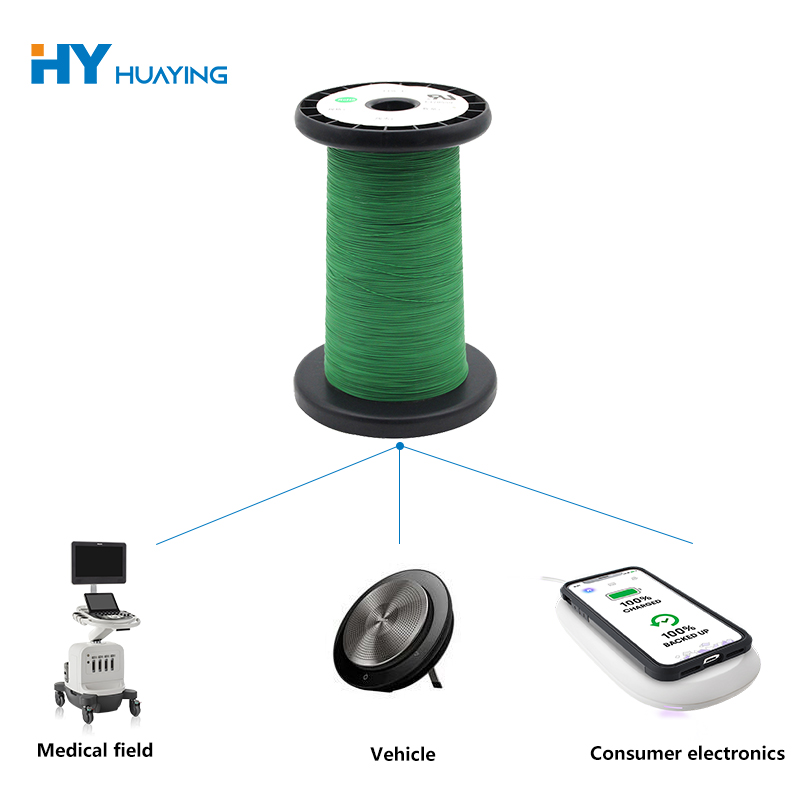
Triple Insulated Wire is widely used in high-performance electronic applications due to its enhanced safety and reliability features. Proper handling of this wire type is critical to ensure long-term operational stability and to prevent damage during installation or maintenance. At our factory, we focus on producing Triple Insulated Wire that meets stringent electrical and mechanical specifications, helping our customers achieve dependable performance across multiple industries. Huizhou Huaying Electronics Technology Co., Ltd. implements comprehensive quality checks to guarantee that our products conform to international standards while maintaining ease of handling.
How Should Triple Insulated Wire Be Stored Before Installation?
Storage conditions significantly influence the integrity of Triple Insulated Wire. Humidity, temperature, and exposure to direct sunlight can degrade insulation materials over time. In our experience, storing wire in a cool, dry environment prevents premature aging of the insulation layers. Our factory recommends keeping rolls in original packaging to protect against dust and mechanical damage. Customers using Triple Insulated Wire for high-frequency applications particularly benefit from proper storage because insulation properties directly affect signal integrity and safety.
Key considerations include monitoring temperature ranges, avoiding excessive compression of wire coils, and minimizing exposure to environmental contaminants. By adhering to these guidelines, our clients can ensure the insulation remains effective and the wire retains its rated electrical properties until installation.
What Techniques Ensure Safe Handling During Installation?
Handling Triple Insulated Wire requires precision to avoid compromising its insulation layers. Sharp bends, improper stripping, or excessive pulling can damage the wire and lead to safety hazards. Our team consistently trains technicians to maintain minimum bend radii as specified for different wire gauges. Huizhou Huaying Electronics Technology Co., Ltd. integrates reinforcing layers within our Triple Insulated Wire to reduce the risk of abrasion or cracking, but careful manual handling is still essential for long-term performance.
We recommend using designated wire guides, cable trays, and proper cutting tools. Our engineers also suggest inspecting each wire segment visually before installation. These precautions help maintain the uniformity of insulation thickness and prevent potential short circuits or dielectric failures. Proper handling not only protects the wire but also improves overall system reliability in industrial and residential applications.
How Do Temperature and Environmental Factors Affect Handling?
Environmental conditions, such as operating temperature and exposure to chemicals, can influence the flexibility and strength of Triple Insulated Wire. Excessive heat may soften insulation, while cold conditions can increase brittleness, making handling more challenging. In our factory, we test our wire under a range of temperature conditions to ensure that our Triple Insulated Wire maintains mechanical integrity without deformation. Huizhou Huaying Electronics Technology Co., Ltd. provides technical data on allowable temperature ranges to help customers plan safe installation procedures.
Humidity, UV exposure, and corrosive environments also play a role. We advise that installations in outdoor or industrial chemical-rich environments use protective conduits or shielding to maintain insulation performance. Following these handling guidelines extends the lifespan of the wire and reduces maintenance frequency.
Which Mechanical Properties Should Be Considered For Installation?
The mechanical strength of Triple Insulated Wire, including tensile strength, flexibility, and abrasion resistance, directly affects installation quality. Our engineers focus on maintaining uniform insulation layers to enhance durability while ensuring flexibility for routing through complex assemblies. When our clients handle the wire, we emphasize avoiding sharp kinks and ensuring smooth transitions through connectors and terminals. This practice prevents micro-cracks and preserves the dielectric properties of the insulation.
The table below summarizes key mechanical parameters for our commonly used Triple Insulated Wire, helping customers select the appropriate type for their applications.
| Wire Gauge | Tensile Strength (N/mm²) | Flexibility Rating | Recommended Application |
| 18 AWG | 45 | High | Control circuits, signal transmission |
| 14 AWG | 60 | Medium | Power distribution within machines |
| 10 AWG | 80 | Low | Heavy-duty industrial equipment |
How Should Triple Insulated Wire Be Prepared for Termination?
Terminating Triple Insulated Wire requires attention to maintain the integrity of all insulation layers. Our factory trains technicians to strip outer insulation carefully without nicking inner conductors. Using precise stripping tools and observing correct wire lengths ensures proper connections and avoids insulation failures. Huizhou Huaying Electronics Technology Co., Ltd. also recommends verifying insulation thickness and conductor quality before crimping or soldering.
Proper preparation ensures low contact resistance and minimizes the risk of overheating at connection points. This is especially critical in high-current applications, where poor termination can compromise system safety and efficiency. Following these handling protocols maximizes the operational lifespan of our Triple Insulated Wire products.
How Can Handling Best Practices Improve Long-Term Performance?
Implementing comprehensive handling best practices ensures that Triple Insulated Wire maintains its rated electrical and mechanical performance. In our factory, we document recommended installation techniques, temperature tolerances, and bending limits. Customers who follow these guidelines report fewer failures and extended intervals between maintenance cycles. Huizhou Huaying Electronics Technology Co., Ltd. supports clients by providing technical assistance for complex installations, ensuring that our products perform consistently.
Our team emphasizes that attention to detail during handling is as important as material quality. Preventing mechanical damage, avoiding improper exposure, and maintaining clean installation environments all contribute to sustained performance and reliability.
What Are The Handling Considerations For Triple Insulated Wire? Frequently Asked Questions
Q1: How can improper bending affect the wire performance?
Excessive or sharp bends can compromise insulation integrity, causing micro-cracks that may lead to electrical shorts. Maintaining minimum bend radius as specified ensures safe and effective handling.
Q2: What environmental factors should be monitored during storage and installation?
Temperature, humidity, and exposure to chemicals or UV light can degrade insulation. Storing and installing the wire in controlled environments helps maintain its rated properties.
Q3: Why is careful stripping and termination important?
Improper stripping can damage inner conductors and insulation layers, leading to poor electrical contact or short circuits. Using appropriate tools and observing correct lengths ensures safe and reliable connections.
Conclusion
Proper handling of Triple Insulated Wire involves storage, mechanical handling, environmental considerations, and precise termination techniques. Paying attention to these factors ensures that the wire maintains its electrical and mechanical properties over time. Our factory is dedicated to producing high-quality Triple Insulated Wire while providing technical support for installation and maintenance. Huizhou Huaying Electronics Technology Co., Ltd. invites industrial users to consult with our team for guidance, ensuring that every application achieves maximum safety and efficiency.