

What Are the Key Applications of Ceramic Fiber Cloth in Industry
2025-11-10
When it comes to handling extreme heat in industrial settings, professionals consistently turn to one reliable material: ceramic fiber cloth. This versatile solution offers exceptional thermal insulation and durability, making it a go-to for numerous demanding applications. At Kaxite, we specialize in engineering high-performance ceramic fiber cloth that meets the rigorous standards of modern industry, providing a critical layer of protection and efficiency.
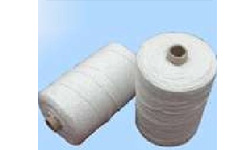
What Makes Ceramic Fiber Cloth a Top Choice for Thermal Management
The superiority of ceramic fiber cloth lies in its core material properties. It is not just a simple fabric; it is engineered for performance in the most challenging environments.
-
Exceptional Temperature Resistance: Withstanding continuous temperatures up to 2300°F (1260°C), it far surpasses the limits of traditional materials like fiberglass.
-
Low Thermal Conductivity: It effectively insulates, reducing heat loss and improving energy efficiency in high-temperature equipment.
-
Excellent Flexibility and Strength: Despite its rugged nature, it remains flexible enough to be formed into various shapes and sewn into custom blankets or curtains.
The following table outlines the key specifications of a standard Kaxite ceramic fiber cloth, illustrating why it is a preferred industrial solution.
| Property | Value | Benefit |
|---|---|---|
| Max Continuous Use Temperature | 2300°F (1260°C) | Protects components in extreme heat environments. |
| Tensile Strength | High | Resists tearing and mechanical abuse, ensuring longevity. |
| Thermal Conductivity | Low | Provides superior insulation, leading to significant energy savings. |
| Chemical Stability | Excellent | Resists corrosion from most acids, alkalis, and other chemicals. |
Where Can You Find Ceramic Fiber Cloth in Action
The applications for ceramic fiber cloth are vast and critical to operational safety and efficiency.
-
Furnace and Kiln Curtains: Used to seal openings, these curtains minimize heat escape, protect workers from radiant heat, and improve temperature uniformity.
-
Expansion Joint Seals: In piping and duct systems, Kaxite cloth compensates for thermal expansion, preventing damage and maintaining system integrity.
-
Welding and Heat Treating Blankets: They protect surrounding areas from sparks and spatter, and are essential for containing heat during localised treatment processes.
-
Fire Protection Systems: Its inherent fire-resistant properties make it ideal for creating fire barriers and wrapping sensitive equipment.
Frequently Asked Questions About Ceramic Fiber Cloth
How is ceramic fiber cloth different from ceramic fiber blanket
While both are made from the same base material, the cloth is a flexible textile woven from ceramic fiber yarn and reinforced with wire, making it suitable for direct surface contact and tensioned applications. Blankets are needled felts, better for bulk insulation in linings.
Can Kaxite ceramic fiber cloth be sewn or fabricated
Yes, a key advantage of Kaxite ceramic fiber cloth is its fabric nature. It can be easily cut, sewn, and fabricated into custom shapes, curtains, and covers to fit the unique requirements of your machinery and processes.
What is the best way to handle and install this material
While safe when handled correctly, we recommend using gloves and a dust mask during installation to minimize fiber irritation. For complex installations, our Kaxite technical team can provide detailed guidance.
Ready to Enhance Your Industrial Operations with Ceramic Fiber Cloth
Understanding the key applications is the first step; implementing the right solution is what drives real results. If your operations involve high temperatures, the protective and insulating qualities of Kaxite ceramic fiber cloth are indispensable. Don't let heat management challenges limit your productivity and safety. Contact us today to discuss your specific needs and let our experts help you select the perfect material for your application.