

What Are the Key Design Considerations for Thick Wall Spiral Welded Pipe
2026-01-19
When specifying pipelines for demanding applications in oil and gas, piling, or structural columns, the Thick Wall Spiral Welded Pipe is often the optimal choice. Its unique spiral seam construction offers distinct advantages in strength and versatility. However, its successful implementation hinges on meticulous design planning. At Xinlida, with our extensive engineering expertise, we guide clients through these critical considerations to ensure project integrity and longevity.
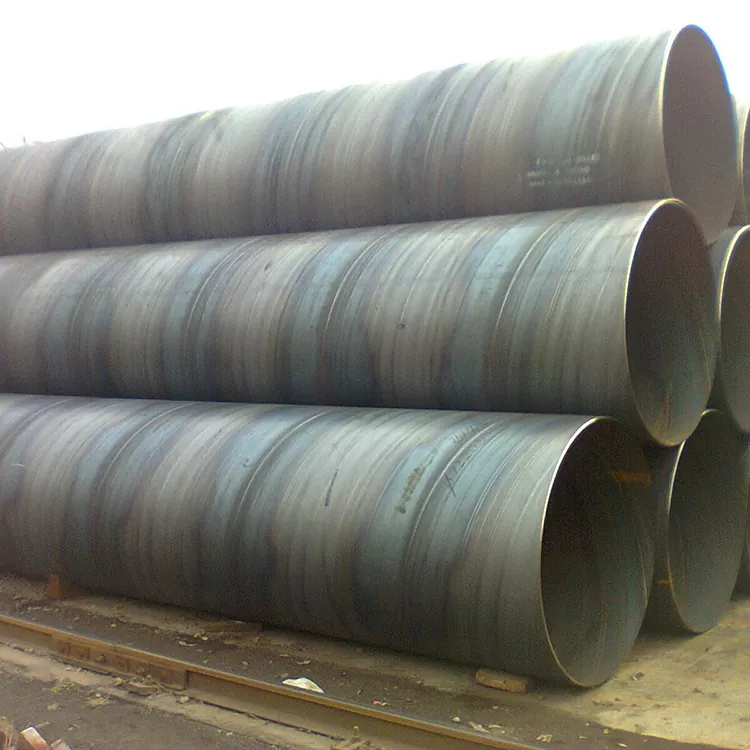
The design of a Thick Wall Spiral Welded Pipe system is multifaceted. Here are the primary factors engineers must evaluate:
-
Pressure and Load Requirements: This is the starting point, determining the necessary wall thickness, material grade, and diameter to withstand internal pressure, external loads, and bending stresses.
-
Material Selection: The choice of steel grade (e.g., API 5L, ASTM A139) directly impacts strength, toughness, weldability, and corrosion resistance, especially for harsh environments.
-
Geometric Tolerances: Strict control over parameters like outside diameter, wall thickness uniformity, and straightness is crucial for fit-up, welding, and installation efficiency.
-
End Finishing: The pipe ends must be prepared according to the connection method, whether it’s for welding, flange attachment, or other mechanical couplings.
-
Corrosion Protection: A clear plan for internal and external coatings or cathodic protection is essential based on the conveyed medium and soil conditions.
To further clarify, the relationship between key specifications can be summarized as follows:
| Design Consideration | Primary Influence | Typical Standard Reference |
|---|---|---|
| Wall Thickness & Diameter | Pressure Containment, Load-Bearing Capacity | API 5L, ASTM A139 |
| Steel Chemical Composition | Mechanical Strength, Weldability | EN 10219, ISO 3183 |
| Seam Weld Quality | Structural Integrity, Leak Prevention | API 5L, ASME B31.4/B31.8 |
Thick Wall Spiral Welded Pipe FAQ
What is the main advantage of the spiral weld seam in thick wall pipes?
The spiral seam offers superior strength distribution compared to a straight seam, particularly under circumferential stress. It also allows for the production of large diameters from narrower steel plates, providing excellent economic efficiency for high-strength, large-diameter applications.
How does wall thickness impact the pipe's performance?
Increased wall thickness directly enhances the pipe's ability to withstand higher internal pressures and external loads, such as those encountered in deep-water applications or as foundation piles. It also contributes to greater structural stiffness and can improve corrosion allowance, extending the pipeline's service life.
What quality controls are vital during manufacturing?
Rigorous Non-Destructive Testing (NDT) of the continuous spiral weld, such as ultrasonic and X-ray inspection, is paramount. Additionally, consistent control of forming parameters, edge preparation, and final dimensional checks are critical to ensure the reliability of every Thick Wall Spiral Welded Pipe.
Selecting the right Thick Wall Spiral Welded Pipe is a complex engineering decision. A partner with proven technical expertise ensures that every design consideration is addressed, mitigating risk and securing asset performance. At Xinlida, we combine advanced manufacturing with deep industry knowledge to deliver solutions that meet your precise specifications. Contact us today to discuss your project requirements with our engineering team.