

What Factors Affect the Cost and Selection of PEEK Sheet Grades
2026-01-13
Navigating the world of high-performance polymers requires precise knowledge, especially when specifying materials like PEEK Sheets. The cost and appropriate grade selection are critical decisions that impact project success, performance, and budget. As a leader in providing engineered plastic solutions, IDEAL understands that these choices hinge on a balance of material properties, processing requirements, and application demands. This guide breaks down the key factors to consider.
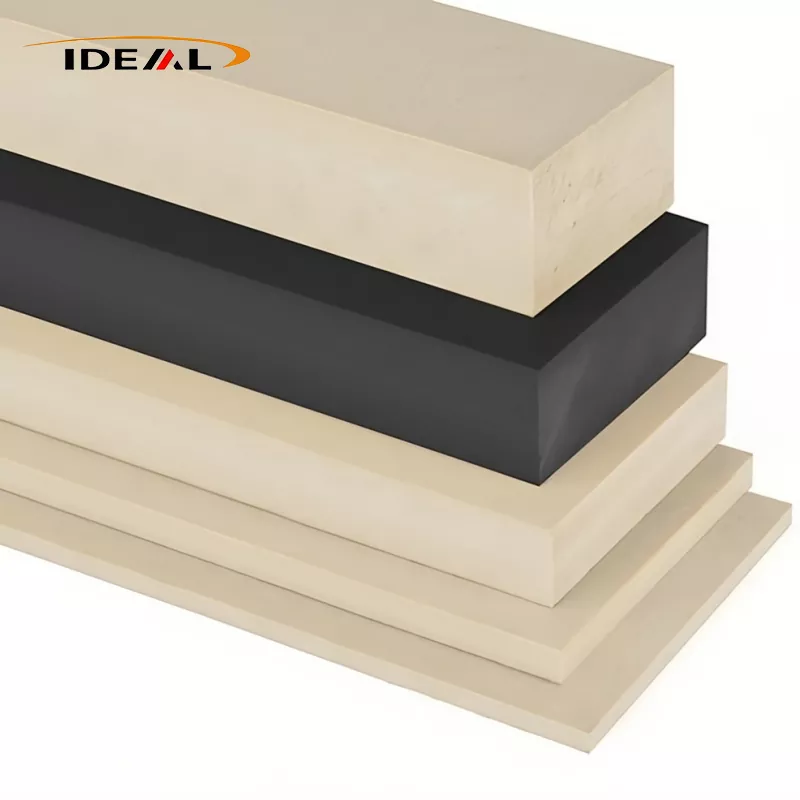
Key Factors Influencing Selection and Cost
Selecting the correct PEEK Sheets grade is not one-size-fits-all. The following elements directly influence both performance suitability and final price:
-
Fillers and Compositions: Virgin PEEK is just the starting point. Enhanced grades with fillers like carbon fiber, glass fiber, or graphite alter properties significantly.
-
Performance Specifications: Required levels of thermal stability, wear resistance, mechanical strength, and chemical resistance must be clearly defined.
-
Regulatory Compliance: Applications in medical or food processing industries may require USP Class VI or FDA compliance, affecting material choice.
-
Sheet Size and Thickness: Non-standard dimensions or very thick PEEK Sheets often incur higher costs due to specialized manufacturing.
-
Quantity and Supply Chain: Volume purchases typically lower unit cost, and reliable, consistent supply from a trusted partner like IDEAL ensures project stability.
Comparing Common PEEK Sheet Grades
The table below illustrates how different formulations cater to specific needs, directly impacting selection and cost.
| Grade | Key Composition | Primary Properties | Typical Applications |
|---|---|---|---|
| Virgin PEEK | Unfilled polymer | Excellent chemical resistance, high purity, good overall mechanical properties | Semiconductor, food & beverage, medical implants |
| 30% Carbon Fiber Filled | PEEK with carbon fiber reinforcement | Superior stiffness, creep resistance, and wear resistance | High-load bearings, pistons, seals, aerospace components |
| 30% Glass Fiber Filled | PEEK with glass fiber reinforcement | Enhanced stiffness and strength, improved dimensional stability | Electrical insulators, structural housings, pump components |
PEEK Sheets FAQ
Q: What is the maximum continuous service temperature for PEEK Sheets?
A: PEEK Sheets can withstand a maximum continuous service temperature of approximately 480°F (250°C). This exceptional thermal stability makes them ideal for demanding environments in aerospace, automotive, and industrial machinery where other plastics would fail.
Q: Can PEEK Sheets be effectively machined into complex parts?
A: Yes, PEEK Sheets are known for their excellent machinability using standard metalworking tools. They can be precision-machined into complex gears, insulators, and seals with tight tolerances. Proper tool geometry and cooling are recommended to achieve optimal surface finishes.
Q: Are there biologically inert PEEK grades for medical use?
A: Absolutely. Virgin medical-grade PEEK Sheets are biologically inert, radiolucent, and often comply with USP Class VI and ISO 10993 standards. This makes them a premier material for trauma implants, surgical instruments, and dental components.
Choosing the right grade of PEEK Sheets is a strategic decision that balances performance requirements with cost-effectiveness. By understanding the role of fillers, property needs, and regulatory standards, you can specify the ideal material with confidence. The expertise of your supplier is paramount in this process.
For a detailed quote or technical consultation on your specific application, don’t hesitate to contact us at IDEAL. Our material specialists are ready to help you select the optimal, high-performance solution.