

What Is the Best Filter Cloth for Solid-Liquid Separation
2025-12-04
For engineers and plant managers, selecting the optimal Filter Cloth is a critical operational decision. The wrong choice leads to premature blinding, frequent downtime, and compromised filtrate clarity. The best cloth must achieve a precise balance between separation efficiency, durability, and cost-effectiveness. At Star Machine, we engineer high-performance Filter Cloth solutions that are precisely calibrated for the demanding requirements of modern solid-liquid separation processes.
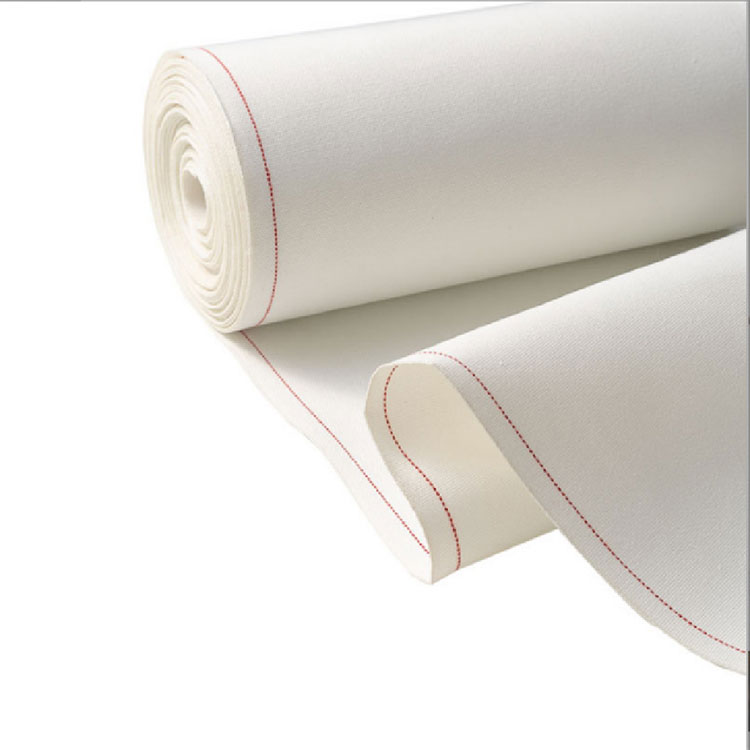
Our fabrics are not commodity textiles; they are application-engineered systems. Key parameters include:
-
Material Composition: We offer a range including polypropylene, polyester, and nylon, each selected for specific chemical resistance and thermal stability.
-
Weave Pattern: From simple plain weave to complex twill or satin weaves, the pattern controls cake release and particle retention.
-
Surface Finish: Calendaring or glazing can be applied to enhance surface smoothness for improved cake discharge.
-
Permeability & Air Flow: Measured in cfm/ft², this determines the initial flow rate and drying capability.
-
Tensile & Tear Strength: Critical for withstanding the mechanical stress of automated filter presses and continuous operations.
To guide your specification, here are the core properties of our flagship fabrics:
| Property | Polypropylene Standard-Cloth | Polyester Heavy-Duty | Nylon High-Performance |
|---|---|---|---|
| Primary Application | General sludge dewatering, mining | Aggressive chemicals, high temperature | Fine polishing, superior abrasion resistance |
| Max. Operating Temp. | 195°F (90°C) | 275°F (135°C) | 300°F (150°C) |
| pH Range | 1-14 | 1-12 | 4-12 |
| Key Advantage | Excellent moisture release, cost-effective | Outstanding dimensional stability | Exceptional toughness and cake release |
Filter Cloth FAQ
What are the signs that my Filter Cloth needs to be replaced?
Look for frequent blinding (reduced flow rate even after washing), visible physical damage like tears or holes, stretched or distorted fabric that causes leakage, or a consistent decline in filtrate clarity. These indicate the cloth is no longer performing its separation function effectively.
How does the micron rating relate to the weave of a Filter Cloth?
The micron rating indicates the nominal size of the smallest particles the cloth can retain. It is directly governed by the weave type and the yarn diameter. A tight plain weave offers a lower micron rating for fine retention, while a dutch weave can achieve even finer filtration. Star Machine provides precise micron retention charts for each weave to ensure you match the cloth to your particle size distribution.
Can a Filter Cloth be cleaned, or must it always be replaced?
Many Filter Cloth types can be effectively cleaned to extend service life, depending on the contaminant. Methods include high-pressure water washing, chemical soaking, or ultrasonic cleaning. However, if cleaning no longer restores flow rates or the fabric substrate is degraded, replacement is necessary to maintain process efficiency. Our technical team can advise on optimal cleaning protocols for your specific material.
Choosing the best Filter Cloth is a direct investment in your operation's productivity and bottom line. It requires matching sophisticated material science to your unique slurry characteristics and equipment. The team at Star Machine brings decades of application expertise to this exact challenge. Contact us today for a detailed consultation and receive a custom sample tailored to your solid-liquid separation process.