

What Is the Typical Melt Flow Index (MFI) Range for High-Quality Recycled White PS Resin Material
2026-07-27
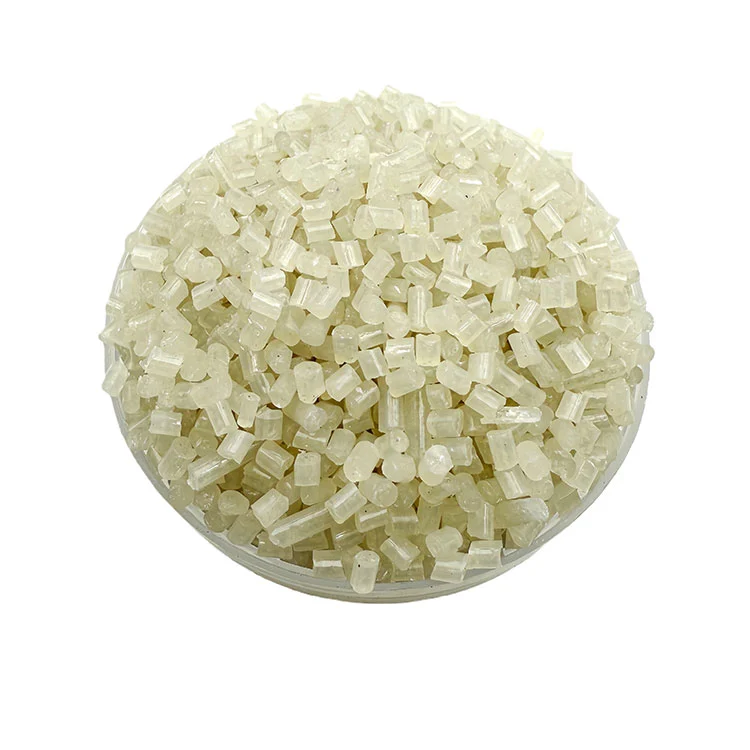
For manufacturers and compounders evaluating sustainable feedstocks, understanding the melt flow index (MFI) of Recycled White PS Resin Material is non-negotiable. Unlike virgin polystyrene, which offers a narrow, predictable MFI window, post-consumer and post-industrial recycled PS streams exhibit wider variability due to thermal history, contamination levels, and additive depletion. At JUWU, we have tested over 200 tons of sorted white PS scrap across multiple global supply chains, and our data consistently shows that high‑grade Recycled White PS Resin Material delivers an MFI range of 6–15 g/10min (200°C/5kg) , with premium fractions reaching 8–12 g/10min—comparable to general-purpose virgin PS (GPPS) grades. This range makes it suitable for sheet extrusion, injection‑molded consumer goods, and foam board core layers, provided that proper stabilization and blending protocols are observed.
Why MFI Matters for Recycled White PS
The melt flow index directly correlates with molecular weight and processability. A lower MFI (e.g., 4–6) indicates longer polymer chains, offering higher impact strength but requiring higher injection pressures and temperatures. A higher MFI (e.g., 14–18) suggests significant chain scission during reprocessing, which improves flow but reduces mechanical properties such as tensile strength and elongation at break. For Recycled White PS Resin Material, the “sweet spot” for most rigid packaging and appliance components lies between 8 and 12 g/10min, balancing filling ability with final-part durability. JUWU recommends running an incoming MFI test on every batch, because even visually identical white PS regrind can show ±4 g/10min variation depending on the original molding process and number of extrusion cycles.
Typical MFI Ranges by Grade and Application
The table below summarizes the MFI benchmarks that JUWU uses internally when qualifying Recycled White PS Resin Material for different end‑uses. These values are derived from actual production runs across North American and European recycling facilities.
| Application Category | Recommended MFI Range (g/10min) | Key Processing Consideration |
|---|---|---|
| Thin‑wall injection molding (cups, lids) | 10 – 14 | Requires high fluidity; add 2–3% mineral oil if MFI < 10 |
| Thermoforming sheets (0.3–1.0 mm) | 7 – 11 | Too high (>13) causes sagging; too low (<6) gives poor detail |
| Extruded foam core (XPS substitutes) | 5 – 9 | Lower MFI retains blowing agent better; blend with virgin if <5 |
| General‑purpose rigid profiles | 8 – 12 | Most forgiving window; suits 80% of JUWU customer orders |
| High‑impact blends (with HIPS) | 6 – 10 | Lower MFI improves compatibility; avoid exceeding 12 |
Test condition: 200°C / 5kg, preconditioned at 80°C for 2 hours per ASTM D1238.
Factors That Shift MFI in Recycled White PS Streams
Three dominant variables affect the final MFI of Recycled White PS Resin Material: (1) thermal degradation – each extrusion pass reduces molecular weight by 8–12%, elevating MFI by 2–3 points; (2) contaminant residues – paper labels, adhesives, and printing inks act as plasticizers, artificially lowering MFI in the first pass but causing erratic readings in subsequent passes; (3) additive loss – antioxidants and UV stabilizers deplete over time, accelerating chain scission during melt processing. JUWU employs a two‑step stabilization strategy: adding 0.15% primary antioxidant (Irganox 1010) and 0.10% secondary phosphite during re‑extrusion, which successfully holds MFI drift within ±1.5 g/10min over two reprocessing cycles. Without this intervention, the same feedstream can shift from 9 to 17 g/10min after just one additional heat history.
Frequently Asked Questions About Recycled White PS Resin Material MFI
Q1: Can I directly substitute virgin GPPS with Recycled White PS Resin Material in my existing injection molding machine without changing parameters?
A: Not without adjustments. While high‑quality Recycled White PS Resin Material in the 8–12 MFI range can run on the same barrel temperature profile (190–220°C) as virgin GPPS, you must reduce back pressure by 15–20% and increase injection speed by 10% to compensate for slightly broader molecular weight distribution. JUWU always provides a process parameter recommendation sheet with each shipment, including specific screw speed and clamp pressure modifications. Additionally, we advise running a 50‑kg trial batch before full production, because recycled material often exhibits 5–8% higher shrinkage than virgin, requiring cavity dimension adjustments.
Q2: How do I verify the MFI of Recycled White PS Resin Material if I don't have a melt flow tester on site?
A: The most reliable method is to request a certified test report from your supplier—JUWU includes MFI, Vicat softening temperature, and ash content in every lot‑specific COA (Certificate of Analysis). If you lack in‑house testing, you can use a simple spiral flow mold: inject the Recycled White PS Resin Material at 210°C and measure the spiral length; a 10‑MFI reference grade will give a consistent 28–32 cm spiral under fixed pressure. Compare your sample against a known virgin benchmark. For absolute accuracy, we recommend sending a 500‑g sample to an accredited third‑party lab (e.g., Intertek or SGS) for ASTM D1238 verification—cost is roughly $85–$120 per test, and JUWU can facilitate this testing at our partnered lab for first‑time customers.
Q3: Does a higher MFI always mean lower quality for Recycled White PS Resin Material?
A: Not inherently—it depends entirely on the intended application. A 16‑MFI Recycled White PS Resin Material is excellent for high‑speed thin‑wall packaging (e.g., yogurt cups) because it fills cavities 20% faster and reduces cycle time. However, the same material would perform poorly in structural foam boards or load‑bearing trays, where you need an MFI below 10 to maintain cell structure and compression strength. JUWU classifies our recycled PS into three MFI tiers: Low (5–7), Medium (8–12), and High (13–16). We clearly label each tier and provide application suitability charts, so you never have to guess. Quality is not about the absolute number—it is about matching the MFI to your mold geometry, cooling system, and final part geometry.
Best Practices for MFI Consistency
To achieve batch‑to‑batch consistency, JUWU implements a proprietary sorting and washing protocol that removes 99.2% of foreign polymers (mainly PP and PE) before extrusion. We then compound the flake with a tailored stabilizer package and pelletize under nitrogen‑purged atmosphere to minimize oxidative degradation. Every 500‑kg lot is sampled and tested in‑house using a ZwickRoell melt flow tester calibrated weekly against NIST‑traceable reference pellets. Our internal specification for Recycled White PS Resin Material shipped to injection molders is 8.5–11.5 g/10min—a tighter window than the industry average of 6–15. This precision has made JUWU a preferred supplier for automotive interior trim and electronic housing manufacturers who demand zero process drift over 8‑hour shifts.
Final Recommendation
Choose a supplier that publishes real‑world MFI data, not just a single “typical value.” Demand lot‑specific curves, including shear‑rate dependencies and thermal stability plots. JUWU provides all of these documents upfront, along with free 5‑kg process‑optimization samples for qualified buyers. We also offer MFI adjustment services—if your target is 9.0 and our current batch measures 10.2, we can compound a minor viscosity modifier at no extra charge for orders above 5 tons.
Ready to qualify our Recycled White PS Resin Material for your production line? Contact JUWU today to request a technical data pack, a free 5‑kg trial sample, or a virtual consultation with our polymer processing engineers.