

How Can Ficus Microcarpa Create Beautiful and Sustainable Green Spaces?
2026-09-02
Article Summary:
Ficus Microcarpa has become one of the most valued ornamental trees and bonsai plants because of its elegant appearance, strong adaptability, evergreen foliage, and easy maintenance requirements. Whether used for home decoration, office landscaping, garden design, or commercial green projects, this plant offers both aesthetic value and long-term benefits. This article explains the characteristics, advantages, care methods, applications, and purchasing considerations of Ficus Microcarpa, helping customers understand why it is an excellent choice for creating attractive and sustainable green spaces.
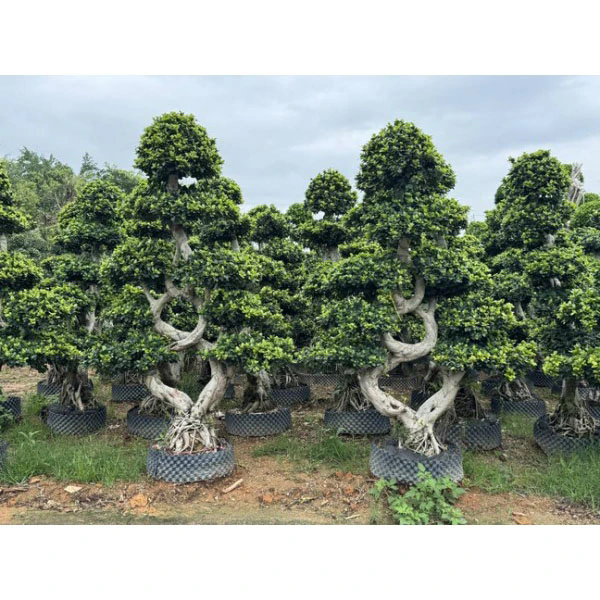
Table of Contents
- 1. What Is Ficus Microcarpa?
- 2. What Are the Key Features of Ficus Microcarpa?
- 3. Why Is Ficus Microcarpa Widely Used in Landscaping?
- 4. Where Can Ficus Microcarpa Be Applied?
- 5. How Can You Maintain Healthy Ficus Microcarpa?
- 6. How to Choose High-Quality Ficus Microcarpa?
- 7. Ficus Microcarpa Compared with Other Ornamental Plants
- 8. Frequently Asked Questions About Ficus Microcarpa
- 9. Conclusion
What Is Ficus Microcarpa?
Ficus Microcarpa, commonly known as Chinese Banyan, Indian Laurel, or small-leaved banyan, is an evergreen species belonging to the Moraceae family. It is recognized for its glossy green leaves, dense crown, strong root system, and impressive ability to adapt to different environments. The plant is naturally distributed across tropical and subtropical regions and has become a popular choice for ornamental planting worldwide.
Unlike many decorative plants that require complicated maintenance, Ficus Microcarpa provides a balance between beauty and practicality. Its compact leaf structure and flexible branches make it especially suitable for bonsai shaping, while mature trees can create attractive shade and landscape features. :contentReference[oaicite:0]{index=0}
Many customers choose Ficus Microcarpa because they need plants that can maintain visual appeal throughout the year while reducing maintenance costs. The evergreen nature of this plant allows gardens, commercial areas, and indoor spaces to remain fresh and vibrant in different seasons.
What Are the Key Features of Ficus Microcarpa?
Understanding the unique characteristics of Ficus Microcarpa helps customers make better planting decisions. Its natural advantages make it suitable for various environments and landscaping styles.
| Feature | Description | Customer Benefit |
|---|---|---|
| Evergreen Leaves | Produces glossy, green leaves that remain attractive throughout the year. | Provides continuous decoration without seasonal replacement. |
| Strong Adaptability | Can tolerate different growing conditions with proper care. | Suitable for various climates and planting environments. |
| Flexible Shape | Branches and roots can be trained into different artistic forms. | Ideal for bonsai and customized landscape designs. |
| Dense Canopy | Creates a full and attractive tree structure. | Improves visual privacy and outdoor appearance. |
| Long Lifespan | A perennial plant with strong growth potential. | Offers long-term landscaping value. |
One of the most attractive characteristics of Ficus Microcarpa is its aerial root development. These roots can create unique visual effects and contribute to the iconic appearance of mature banyan-style trees. :contentReference[oaicite:1]{index=1}
Why Is Ficus Microcarpa Widely Used in Landscaping?
Modern landscaping projects require plants that combine appearance, durability, and cost efficiency. Ficus Microcarpa meets these requirements by offering several practical advantages.
- Low Maintenance Requirements: Once established, the plant does not require intensive daily care.
- Excellent Decorative Value: The attractive leaves and natural shape enhance residential and commercial spaces.
- Strong Environmental Adaptability: It can perform well in many warm climates and urban environments.
- Easy Pruning: Regular trimming allows gardeners to maintain customized shapes and sizes.
- Multiple Landscape Functions: It can serve as a shade tree, privacy plant, container plant, or bonsai specimen.
For property owners, choosing the right plant is not only about appearance but also about reducing future maintenance challenges. Ficus Microcarpa provides a reliable solution because it combines attractive design with strong growth performance.
Where Can Ficus Microcarpa Be Applied?
Ficus Microcarpa is widely used in different landscaping scenarios due to its flexible growth characteristics. It can adapt to both decorative and functional planting requirements.
| Application Area | Usage Purpose | Main Advantages |
|---|---|---|
| Home Gardens | Create natural decoration and improve outdoor atmosphere. | Adds greenery and enhances property appearance. |
| Office Spaces | Indoor and outdoor plant decoration. | Creates a comfortable working environment. |
| Hotels and Resorts | Landscape beautification and entrance decoration. | Provides premium visual appeal. |
| Bonsai Collection | Artistic cultivation and plant appreciation. | Easy shaping and unique appearance. |
| Public Landscaping | Parks, streets, and green areas. | Offers shade and long-lasting greenery. |
Because of its decorative flexibility, Ficus Microcarpa is often selected by landscape designers who need plants that can create both modern and traditional garden styles.
How Can You Maintain Healthy Ficus Microcarpa?
Although Ficus Microcarpa is known for its resilience, proper care is still important to ensure healthy growth and attractive appearance.
| Care Factor | Recommended Method |
|---|---|
| Lighting | Provide sufficient sunlight or bright indirect light for strong leaf growth. |
| Watering | Keep soil moderately moist while avoiding excessive water accumulation. |
| Soil | Use well-drained soil with suitable nutrients. |
| Pruning | Trim branches regularly to maintain desired shape and size. |
| Temperature | Protect the plant from extreme cold conditions. |
The most common problems customers experience include yellow leaves, slow growth, and root issues. These problems are usually related to improper watering, insufficient light, or unsuitable planting conditions. A correct maintenance routine can significantly improve plant health.
How to Choose High-Quality Ficus Microcarpa?
Selecting a healthy Ficus Microcarpa is essential for achieving long-term planting success. Customers should consider several important factors before purchasing.
- Check whether the leaves are healthy, glossy, and free from obvious damage.
- Select plants with strong branches and balanced structures.
- Inspect the root system to ensure healthy development.
- Choose suppliers with professional cultivation experience.
- Confirm suitable plant size according to the intended application.
Rogours focuses on providing high-quality Ficus Microcarpa products designed for customers who require reliable ornamental plants and professional landscaping solutions. By combining careful cultivation methods with customer-oriented service, Rogours helps clients achieve attractive green spaces with confidence.
Ficus Microcarpa Compared with Other Ornamental Plants
| Comparison Item | Ficus Microcarpa | Common Ornamental Plants |
|---|---|---|
| Appearance | Glossy leaves, strong structure, artistic root features. | Usually has simpler forms. |
| Maintenance | Moderate care requirements and strong adaptability. | Some species require more frequent maintenance. |
| Shaping Ability | Excellent for pruning and bonsai design. | Limited shaping options. |
| Long-Term Value | Provides lasting landscape benefits. | May require more replacement over time. |
Frequently Asked Questions About Ficus Microcarpa
Q1: Is Ficus Microcarpa suitable for indoor planting?
Yes. Ficus Microcarpa can be grown indoors when it receives enough light and proper watering. It is commonly used as an indoor ornamental plant and bonsai tree.
Q2: How fast does Ficus Microcarpa grow?
Growth speed depends on climate, soil quality, sunlight, and maintenance conditions. With proper care, it can develop steadily and maintain an attractive structure.
Q3: Can Ficus Microcarpa be shaped into bonsai?
Yes. Its flexible branches and strong response to pruning make it one of the preferred choices for bonsai enthusiasts.
Q4: How often should Ficus Microcarpa be watered?
Watering frequency depends on environmental conditions. The soil should remain slightly moist but should not stay waterlogged.
Q5: Why do customers choose Rogours for Ficus Microcarpa?
Rogours provides carefully cultivated Ficus Microcarpa with attention to plant quality, appearance, and customer requirements, helping clients select suitable plants for different applications.
Conclusion
Ficus Microcarpa is more than just an ornamental plant. Its evergreen beauty, adaptability, easy shaping, and wide application range make it a valuable choice for homes, businesses, gardens, and professional landscaping projects.
For customers looking for a reliable plant solution with excellent decorative performance and long-term value, Ficus Microcarpa provides an ideal balance between natural beauty and practical benefits. Rogours continues to provide quality Ficus Microcarpa products and professional support to help customers create impressive green environments. If you need customized plant solutions or want to learn more about our Ficus Microcarpa products, please contact us today.