

Article Summary
Heavy duty PE tarpaulin is a polyethylene-based protective sheet designed for applications that demand greater durability than lightweight general-purpose covers. Depending on its construction, it may combine a woven polyethylene fabric core with laminated surfaces to improve water resistance, handling strength, and resistance to outdoor exposure. However, not every tarpaulin performs equally well in every environment.
This guide explains how heavy duty PE tarpaulin works, which specifications matter most, how to match a product to its intended use, and how correct installation and maintenance can help extend its service life. It also covers common purchasing mistakes, quality checks, and frequently asked questions to help businesses make informed sourcing decisions.
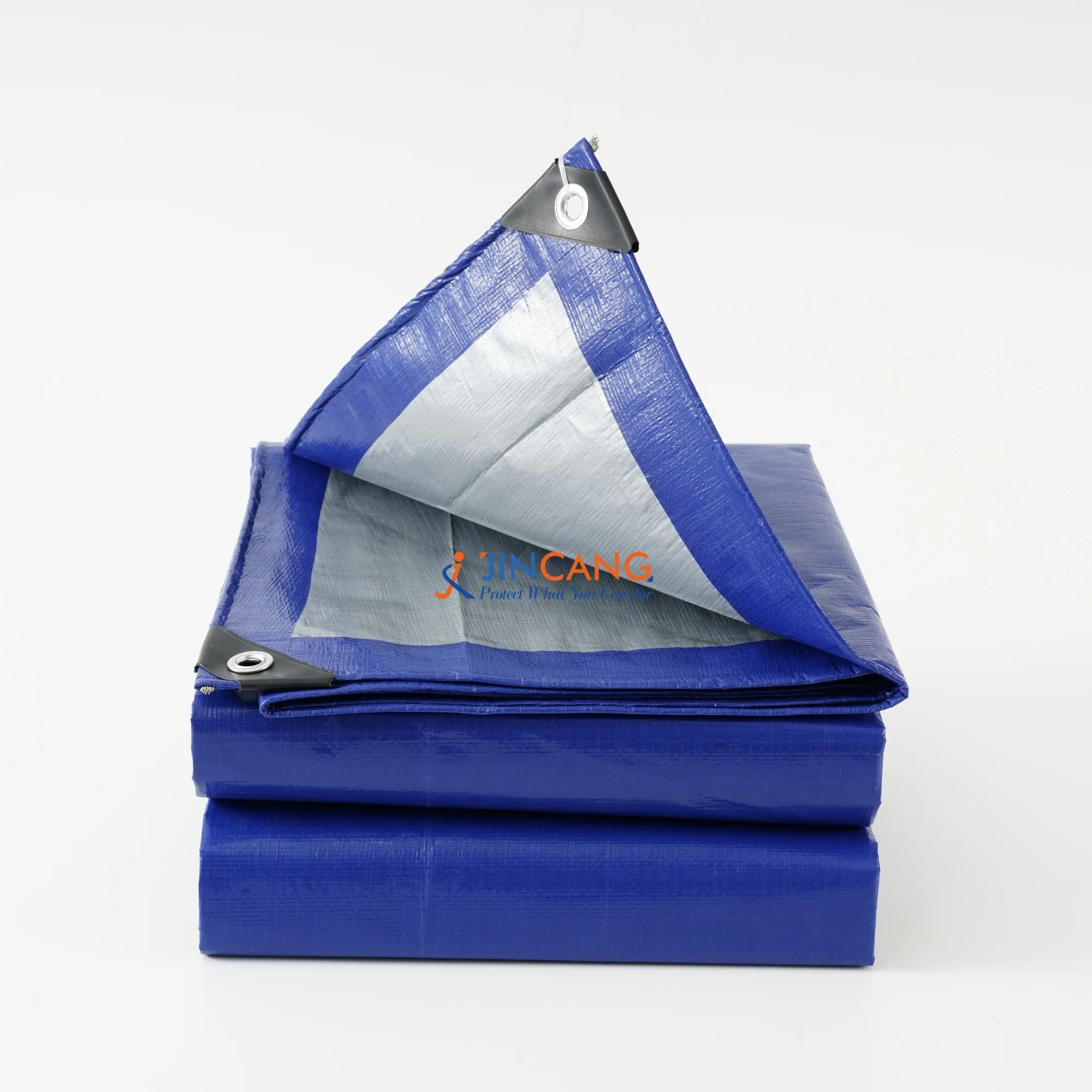
What Is Heavy Duty PE Tarpaulin?
Heavy duty PE tarpaulin is a protective sheet made primarily from polyethylene (PE), a versatile thermoplastic widely used in packaging, agricultural supplies, construction products, and industrial protection. Many woven PE tarpaulins feature a mesh-like fabric core that provides structural strength, with laminated layers applied to improve resistance to moisture and environmental exposure.
The term heavy duty generally describes a tarpaulin intended for more demanding service than a lightweight cover. It does not, by itself, establish a universal performance rating. Products sold under this description can differ significantly in fabric construction, thickness, mass per unit area, reinforcement, coating quality, and resistance to sunlight.
For this reason, buyers should evaluate the actual product specification rather than relying on the name alone. A suitable cover for temporarily protecting boxed goods in a warehouse may have different requirements from one used over building materials through a rainy season or on equipment exposed to strong winds.
How Is It Different from a Lightweight Cover?
Compared with lighter covers, a heavy duty PE tarpaulin may use a stronger woven base fabric, more substantial lamination, reinforced edges, or sturdier eyelets. These features can improve handling and help the sheet tolerate repeated installation when it is correctly designed for that purpose.
Nevertheless, durability depends on the whole product. A thick sheet with weak hems or poorly secured eyelets may fail sooner than a well-engineered alternative with balanced construction. Buyers should therefore examine the body material, edges, corners, and fastening points together.
How Does Its Construction Support Reliable Performance?
A tarpaulin's performance comes from several interacting components. Understanding them helps explain why two products with similar dimensions can behave differently after weeks or months of use.
1. Woven Fabric Core
Many PE tarpaulins use woven polyethylene strips as their structural foundation. The woven pattern distributes loads across the sheet and provides resistance to ordinary pulling and handling forces. Fabric construction, strip characteristics, and manufacturing consistency all influence the finished product's strength.
2. Laminated Surface Layers
PE lamination can help create a surface that resists water penetration through the sheet material. The quality and uniformity of the lamination matter because thin spots, defects, or damage can create weak areas. Water resistance of the sheet itself should not be confused with complete waterproofing of an installed cover: water can still enter through seams, eyelets, damaged areas, or poorly arranged overlaps.
3. Reinforced Hems and Corners
Edges and corners often experience concentrated stress when a cover is tied down. Reinforced hems and appropriately designed corners can improve durability by distributing these forces. The benefit depends on the reinforcement method, material quality, and how the tarp is secured in actual use.
4. Eyelets and Fastening Points
Eyelets provide attachment points for ropes, cords, or suitable fasteners. Their spacing, strength, and placement should match the intended installation. If the cover is pulled too tightly from a few points, the eyelets may tear through the fabric. Additional fastening points are useful only when the surrounding material and reinforcement can withstand the applied forces.
5. UV and Weather Resistance
Sunlight can gradually weaken many polymer materials. For extended outdoor use, ask whether the product has UV-stabilizing additives and whether the supplier can provide a stated test method, performance specification, or expected service conditions. UV resistance does not mean a cover is immune to aging, and actual service life depends on sunlight intensity, temperature, wind, abrasion, installation, and maintenance.
What Are the Main Benefits of Heavy Duty PE Tarpaulin?
When properly specified and installed, heavy duty PE tarpaulin can address several common protection problems in commercial and industrial settings.
Moisture Protection
A suitable laminated sheet helps shield covered materials from rain and splashes. Correct positioning and drainage remain essential to prevent water from collecting on top or entering at the edges.
Practical Handling
PE tarpaulin is often flexible and comparatively easy to fold, move, and reposition. The appropriate weight should balance manageability with the demands of the application.
Versatile Coverage
Different dimensions and constructions make it useful for covering equipment, materials, agricultural products, temporary work areas, and goods in transit.
Reusable Protection
A well-made cover may be reused across multiple jobs when it is handled carefully, inspected regularly, and stored clean and dry. Reusability depends on the product and operating conditions.
Adaptable Sizing
Standard sizes suit common jobs, while custom dimensions can reduce excessive overlap, awkward folding, and unnecessary exposed edges.
Cost Control
Matching quality to service conditions can reduce premature replacement and protect valuable inventory. The lowest purchase price does not always produce the lowest cost over the product's working life.
These benefits are not automatic guarantees. A tarpaulin exposed to persistent high winds, sharp metal corners, standing water, or severe sunlight may deteriorate much faster than one used for short-term indoor or sheltered storage. Proper product selection is the starting point for reliable results.
Where Can Heavy Duty PE Tarpaulin Be Used?
Because its dimensions and construction can be adapted to different jobs, heavy duty PE tarpaulin is used in a wide range of industries. The important question is whether the chosen grade matches the environment and the level of protection required.
Construction and Building Materials
Construction teams use tarpaulins to cover sand, timber, bricks, tools, equipment, and selected building materials. A well-positioned cover can reduce direct rain exposure and limit dust accumulation. For job sites, reinforced edges and secure fastening points are especially useful because covers may be moved repeatedly.
Where wind exposure is significant, the tarp should be secured using an appropriate system and checked regularly. Do not rely on the sheet alone to create a safe barrier around hazardous equipment or unstable loads.
Agriculture and Farming
Farmers may use PE tarpaulins to cover supplies, machinery, selected harvested materials, or temporary storage areas. The appropriate product depends on moisture sensitivity, ventilation requirements, sunlight exposure, and the possibility of contact with sharp or abrasive surfaces.
For crops or feed, buyers should verify that the intended material is suitable for the particular use and follow relevant handling and storage requirements. A general-purpose tarpaulin should not automatically be treated as food-contact or certified agricultural material.
Transportation and Logistics
Tarpaulins can provide an extra layer of protection for cargo during loading, unloading, and storage. They can help limit exposure to rain, dust, and debris when fitted correctly. For vehicle transport, the cover and fastening system must be appropriate for the load, vehicle, and operating conditions.
Never assume that a general-purpose tarp is an approved load-restraint device. Cargo restraint must be handled separately in accordance with applicable transport rules and safety requirements.
Warehousing and Outdoor Storage
Businesses often cover machinery, spare parts, pallets, and packaged goods stored outdoors. A suitable PE tarp can provide a practical barrier against weather and airborne dirt. For long-term storage, allow for drainage and, where needed, ventilation to reduce condensation trapped beneath the cover.
Home, Garden, and Temporary Projects
For household use, tarpaulins may cover garden equipment, outdoor furniture, firewood, renovation supplies, or temporary work areas. Buyers should select a size that provides sufficient overlap without creating loose sections that flap in the wind.
Which Specifications Matter Most When Buying?
Product descriptions often contain several technical terms. Understanding them helps buyers compare offers consistently and avoid paying for features that do not address the real application.
| Specification | What It Tells You | What to Confirm |
|---|---|---|
| Material | The polymer and fabric construction used in the sheet | PE composition, woven structure, lamination, and product grade |
| Mass per Unit Area | The mass of the material over a defined area, commonly expressed in g/m² | Actual specification and permitted manufacturing tolerance |
| Thickness | The measured thickness of the material under a stated method | Measurement method and whether the value represents the full laminate |
| Tensile Strength | Resistance to pulling forces in specified directions | Test method, specimen direction, and reported result |
| Tear Resistance | Resistance to the growth of an existing tear under test conditions | Test method and relevance to the intended use |
| UV Resistance | Performance under defined ultraviolet exposure conditions | Stabilization details, test evidence, and intended exposure period |
| Dimensions | Coverage area available for the job | Finished size, tolerance, and whether dimensions include hems |
| Edge Reinforcement | Construction around hems, corners, and attachment points | Reinforcement method, eyelet material, spacing, and workmanship |
| Color | Appearance and possible light-management characteristics | Color availability, consistency, and any application-specific requirements |
| Packaging | How products are folded, protected, and prepared for shipment | Package size, labeling, quantity per pack, and transport protection |
Why GSM Is Useful but Not Enough
GSM refers to grams per square meter and describes the mass of the material per unit area. It is a useful specification for comparing products, especially when a buyer needs a balance between weight, handling, and coverage.
However, GSM alone does not prove that a tarpaulin has a particular tensile strength, tear resistance, waterproof performance, or UV service life. Two products with similar GSM values can differ because of fabric structure, lamination, additives, and manufacturing quality.
Request Verifiable Product Information
For commercial purchasing, request a technical data sheet and, where relevant, test reports or samples. Confirm the test method, product construction, and acceptance criteria before placing a large order. If performance is critical, agree on the inspection procedure and acceptable tolerances in advance.
How Does PE Tarpaulin Compare with Other Cover Materials?
PE tarpaulin is one of several options available for protective covering. The best material depends on exposure conditions, handling frequency, budget, and whether specialized performance is required.
| Material Type | Typical Strengths | Potential Limitations | Common Considerations |
|---|---|---|---|
| Heavy Duty PE Tarpaulin | Flexible, practical to handle, available in many sizes, suitable for a variety of temporary protection tasks | Performance varies by grade; sharp objects, abrasion, wind, and UV exposure can cause damage | General outdoor coverage, storage, agriculture, and construction |
| PVC-Coated Tarpaulin | Can be available in robust constructions with strong coating and welded-seam options | May be heavier, less convenient to fold, or more expensive depending on specification | Applications requiring specific strength, fabrication, or repeated use |
| Canvas Cover | Fabric-like handling and breathability in suitable untreated or specially treated products | Water resistance depends on construction and treatment; may absorb moisture | Equipment covers and applications where fabric characteristics are preferred |
| Lightweight PE Sheet | Low weight and easy handling for short-duration tasks | Generally less suited to repeated heavy handling or demanding exposure | Temporary dust barriers and light-duty protection |
This comparison is general rather than a universal ranking. A high-quality product in one material category may outperform a lower-grade product in another. Compare complete specifications and test evidence whenever the application has strict requirements.
How Can You Choose the Right Heavy Duty PE Tarpaulin?
Choosing a tarp is easier when you define the working conditions before comparing quotations. The following steps help turn a broad product search into a practical purchasing decision.
Step 1: Define the Job
Write down exactly what needs to be covered, where the cover will be installed, and how long it must remain in service. A tarp for occasional warehouse use does not necessarily need the same construction as one exposed to strong sun and wind every day.
Step 2: Measure the Required Coverage
Measure the length, width, and height of the item or area. Include the material needed to cover sides, overlap edges, and attach the tarp securely. For irregular shapes, allow enough extra material to avoid pulling the sheet excessively tight.
Step 3: Select an Appropriate Material Grade
Compare GSM, thickness, construction, tensile strength, tear resistance, UV protection, and edge reinforcement as applicable. Ask the supplier to explain how the proposed grade matches your exposure and handling requirements.
Step 4: Check the Fastening Design
Confirm eyelet placement, reinforcement, and the attachment method. Consider whether the tarp will be installed frequently, whether its edges will be exposed to wind, and whether additional protective padding is needed around sharp corners.
Step 5: Evaluate Quality Consistency
For recurring orders, ask about production controls, dimensional tolerances, inspection procedures, and how product specifications are maintained between batches. A sample can help you assess handling, finish, and basic construction before committing to a larger quantity.
Step 6: Compare the Total Cost
Purchase price is only one part of the cost. Consider expected reuse, replacement frequency, labor needed for installation, freight, packaging, and the potential cost of damage to the covered goods. A more suitable grade may offer better overall value even when its initial price is higher.
Step 7: Confirm Order Details in Writing
- Material construction and product grade
- GSM, thickness, and agreed tolerances
- Finished dimensions and dimensional tolerance
- Color, eyelets, hems, and corner reinforcement
- UV-resistance requirements, if needed
- Sample approval and quality inspection criteria
- Packaging, labeling, order quantity, and delivery schedule
- Documentation and any applicable compliance requirements
How Should Heavy Duty PE Tarpaulin Be Installed and Handled?
Even a well-made tarpaulin can fail prematurely if it is installed incorrectly. Good handling reduces localized stress, abrasion, and damage around fastening points.
Prepare the Covered Surface
Remove sharp debris and protect protruding corners that could puncture or cut the sheet. Where appropriate, place a suitable protective layer between the tarp and rough surfaces. Check that the structure supporting the cover is stable and able to withstand expected environmental forces.
Allow Water to Drain
Arrange the cover with a suitable slope so rainwater can run off instead of accumulating in low areas. Pooled water adds weight and may stretch the sheet, strain eyelets, or damage the supporting structure. Check the cover after rainfall and adjust it if water is collecting.
Secure the Cover Evenly
Use suitable ropes, straps, or other fastening methods through the intended attachment points. Distribute tension rather than pulling one corner excessively tight. The cover should be secure but not stretched beyond its intended working limits.
Manage Wind Exposure
Wind can turn a loose tarp into a large sail, generating substantial force on the sheet and its attachment points. Use an installation appropriate to the exposure, inspect the fasteners, and remove or reposition the tarp if conditions exceed the limits of the setup. Do not depend on a general-purpose tarp as a substitute for engineered weather protection.
Inspect Before Reuse
Before installing a previously used cover, check for tears, brittle areas, damaged hems, loose eyelets, and signs of surface deterioration. Repair minor damage only when the repair method is suitable for the material and the intended service conditions.
How Can Proper Maintenance Extend Service Life?
Routine maintenance helps identify small problems before they become reasons to replace the entire cover. The most effective maintenance routine is simple, consistent, and adapted to how the tarp is used.
Clean Without Damaging the Surface
Remove loose dirt with a soft brush or suitable cloth. If washing is needed, use mild cleaning methods compatible with the product and rinse away residues. Avoid aggressive chemicals, abrasive tools, and excessive heat unless the manufacturer specifically confirms they are suitable.
Dry Before Folding
When practical, allow the tarp to dry before storage. Folding away a wet or dirty cover can encourage odor, trap contaminants, and make inspection more difficult. If complete drying is not immediately possible, arrange a suitable opportunity to dry and inspect the sheet before long-term storage.
Store Away from Unnecessary Exposure
Store the tarp in a clean, dry place away from sharp objects and avoid placing heavy equipment on top of tightly folded material. Minimize unnecessary sunlight exposure while the cover is not in use, especially if long-term outdoor aging is a concern.
Check High-Stress Areas
Pay particular attention to corners, hems, eyelets, folds, and points that rub against supporting structures. These areas often reveal wear earlier than the center of the sheet. If damage appears, determine whether repair is appropriate or replacement is safer for the intended application.
What Common Purchasing Mistakes Should Buyers Avoid?
Choosing by Price Alone
A low-priced cover may be suitable for short-term, low-risk tasks. However, if the tarp must protect expensive equipment or withstand frequent outdoor use, insufficient strength or weak reinforcement can create higher replacement and labor costs. Compare specifications and expected service conditions, not just unit price.
Assuming All Heavy Duty Products Are Equivalent
The term heavy duty is not a single universal specification. Confirm material construction, GSM, strength data, dimensions, UV requirements, and edge details. Ask for clarification whenever a quotation uses broad descriptions without measurable information.
Ignoring the Edges and Eyelets
Buyers often focus on the central sheet and overlook attachment points. Yet these are common locations for damage when the cover is stretched, moved, or exposed to wind. Inspect reinforcement details and make sure the fastening system is appropriate for the job.
Ordering the Wrong Size
A cover that is too small may leave valuable goods exposed, while an oversized cover can flap, collect water, or become difficult to secure. Measure carefully and allow for the required overlap and fastening arrangement.
Expecting Indefinite Outdoor Life
Polyethylene materials can age under UV exposure, temperature changes, abrasion, and repeated stress. Even a UV-stabilized product has operating limits. Ask the supplier for information relevant to the intended climate and use, and inspect the cover throughout its service life.
Skipping Sample Evaluation
For large or repeat orders, a sample can reveal practical details that a specification sheet cannot fully communicate, such as handling feel, finish, folding behavior, and eyelet workmanship. For critical performance requirements, supplement visual inspection with appropriate testing.
Frequently Asked Questions About Heavy Duty PE Tarpaulin
1. Is heavy duty PE tarpaulin waterproof?
Many laminated PE tarpaulins are designed to resist water penetration through the sheet. However, complete protection depends on product quality, seams, eyelets, damage, installation, and drainage. Confirm the product's stated water-resistance performance for demanding applications.
2. What does GSM mean on a PE tarpaulin specification?
GSM means grams per square meter. It indicates the material's mass per unit area and helps buyers compare products. It does not independently establish tensile strength, tear resistance, waterproof performance, or UV durability.
3. Is a higher GSM tarpaulin always better?
No. A higher GSM can indicate a heavier material, but overall performance also depends on the woven base fabric, lamination, additives, reinforcement, and manufacturing consistency. Select a grade based on the intended application and verified specifications.
4. Can heavy duty PE tarpaulin be used outdoors for long periods?
Some products are designed for extended outdoor exposure, particularly when suitable UV stabilization is included. Actual service life varies with sunlight, climate, wind, abrasion, installation, and maintenance. Ask the supplier for product-specific information rather than relying on a general durability claim.
5. Can PE tarpaulin be reused?
Yes, many PE tarpaulins can be reused when their construction is suitable for repeated handling and they remain in good condition. Clean and dry the sheet before storage when practical, inspect high-stress areas, and replace covers that no longer provide reliable protection.
6. How do I select the correct tarpaulin size?
Measure the full area to be covered, including sides and the overlap required for fastening. Consider the shape of the load, the support structure, drainage, and how much material is needed to secure the cover without excessive tension.
7. What causes eyelets to tear out?
Common causes include excessive tension, concentrated loads, strong wind, weak surrounding reinforcement, poor installation, and material aging. Choose a suitable fastening design and distribute loads across appropriate attachment points rather than pulling hard on a single eyelet.
8. Can heavy duty PE tarpaulin be customized?
Customization may be available for dimensions, color, GSM, reinforcement, eyelet arrangement, and packaging, depending on the manufacturer's capabilities and order requirements. Confirm available options, minimum order quantities, tolerances, and production lead times before ordering.
9. Is PE tarpaulin suitable for transporting food or drinking water?
A general-purpose PE tarpaulin should not automatically be considered suitable for direct food contact or drinking-water applications. If such use is required, obtain documentation confirming the material's suitability and compliance with the applicable regulations for the specific application.
10. What information should I provide when requesting a quotation?
Provide the intended application, required dimensions, target GSM or performance level, color, outdoor exposure conditions, eyelet and reinforcement requirements, quantity, packaging preferences, destination, and delivery schedule. These details help the supplier recommend a more appropriate product and prepare a clearer quotation.
What Should You Remember Before Choosing a Heavy Duty PE Tarpaulin?
Heavy duty PE tarpaulin is a versatile option for protecting materials, equipment, and goods across construction, agriculture, logistics, warehousing, and everyday outdoor use. Its practical advantages include flexible handling, adaptable sizing, and useful resistance to moisture when the product is properly designed and installed.
Reliable performance begins with matching the material to the working environment. Review the woven construction, lamination, GSM, strength characteristics, UV requirements, dimensions, and reinforcement details. Then consider how the cover will be fastened, inspected, cleaned, and stored. These decisions have a direct effect on protection, replacement frequency, and total operating cost.
For commercial buyers, clear specifications and consistent manufacturing are especially important. Request product details, assess samples when appropriate, and establish acceptance criteria before placing large or repeat orders. A carefully selected tarpaulin is more likely to meet the needs of the application and provide dependable value throughout its usable life.
Looking for a Suitable Heavy Duty PE Tarpaulin Supplier?
Choosing the right tarpaulin starts with understanding your application, dimensions, exposure conditions, and durability requirements. Linyi Jincang Plastic Products Co., Ltd. is a manufacturer and supplier to consider when exploring PE tarpaulin solutions for commercial and industrial use.
Visit the company's official website to learn more about its product offerings and discuss your requirements. Whether you need standard-size covers or want to explore customized specifications, prepare your target dimensions, material expectations, order quantity, and delivery needs to support an efficient inquiry.
For product information, specification discussions, or a quotation for your next project, contact us through the official website of Linyi Jincang Plastic Products Co., Ltd. to discuss a tarpaulin solution suited to your application.
Note: Product performance varies by construction, grade, manufacturing quality, installation, and operating environment. Confirm the current technical specifications with the supplier before making purchasing decisions.