A reliable piping system depends on every individual component working together effectively. Among these components, PPR fitting plays an important role in connecting pipes, ensuring stable water flow, preventing leakage, and improving the overall service life of plumbing installations.
With increasing requirements for safe water transportation, energy efficiency, and long-lasting construction solutions, PPR fittings have become widely used in residential buildings, commercial facilities, industrial projects, and infrastructure applications. However, selecting the correct fitting type, understanding installation requirements, and avoiding common mistakes remain major concerns for many buyers and contractors.
This article explains the practical value of PPR fittings, their working principles, selection methods, application advantages, installation considerations, and maintenance recommendations. It also introduces how professional manufacturers such as Ningbo Ouding Building Material Technology Co., Ltd. support customers with dependable piping solutions.
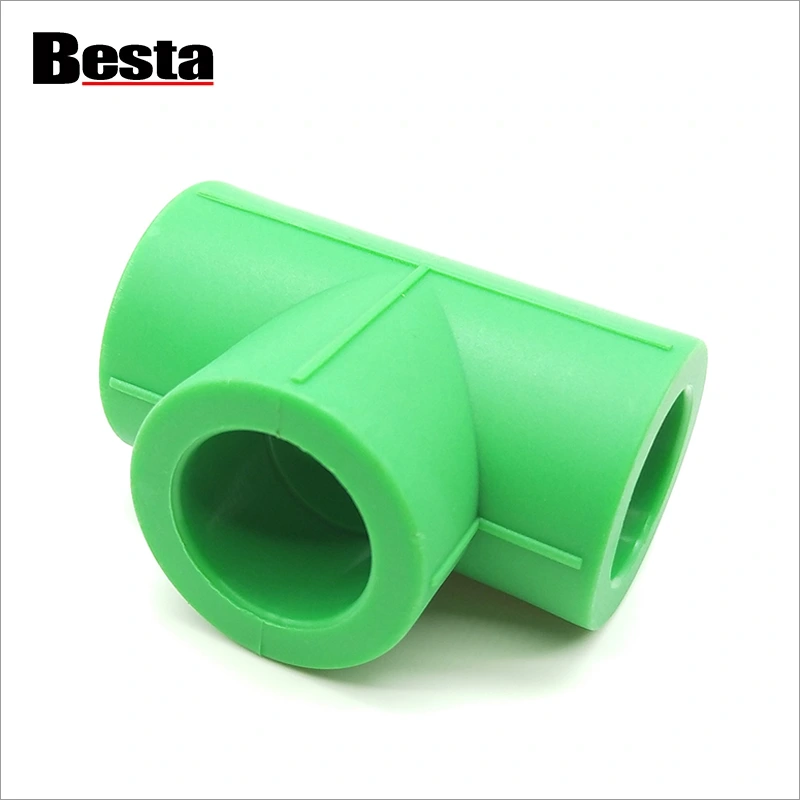
1. What Is a PPR Fitting?
A PPR fitting is a connection component manufactured from polypropylene random copolymer (PPR), a thermoplastic material known for excellent chemical resistance, durability, and suitability for hot and cold water applications.
PPR fittings are designed to connect PPR pipes through heat fusion technology. During installation, the pipe and fitting surfaces are heated using a specialized fusion tool. Once the materials reach the appropriate temperature, they are joined together to create a strong and integrated connection.
Unlike traditional metal fittings, PPR fittings do not rely on mechanical threads or additional sealing materials for standard fusion connections. The resulting joint becomes part of the piping system itself, helping reduce potential leakage points.
Main characteristics of PPR fittings include:
-
Excellent resistance to corrosion and chemical reactions.
-
Suitable for drinking water and plumbing applications.
-
Lightweight structure for easier transportation and installation.
-
Low thermal conductivity compared with many metal alternatives.
-
Long service life under suitable operating conditions.
-
Strong connection performance through heat fusion.
For modern construction projects, choosing a suitable PPR fitting is not only about connecting pipes. It directly influences system reliability, maintenance requirements, and long-term operating costs.
2. How Does PPR Fitting Work in Piping Systems?
The primary function of a PPR fitting is to create secure connections between different sections of piping systems. Depending on the project design, fittings can change pipe direction, connect different pipe sections, control water distribution, or provide transition between different components.
Connection Through Heat Fusion
The most common installation method for PPR fittings is socket fusion. The outer surface of the pipe and the inner surface of the fitting are heated simultaneously. After heating, both parts are pressed together and allowed to cool.
During cooling, the melted polypropylene molecules combine and form a strong connection. This creates a continuous structure that can withstand normal pressure and temperature conditions when properly installed.
Supporting Different System Designs
Modern piping systems require flexibility because buildings and industrial facilities have different layouts. PPR fittings help installers create customized routes while maintaining stable water flow.
Typical fitting functions include:
-
Changing pipeline direction with elbows.
-
Creating branch connections with tees.
-
Extending pipeline length with couplings.
-
Connecting pipes with different components through adapters.
-
Controlling system flow through valve-related fittings.
Reducing Leakage Risks
One of the biggest challenges in plumbing systems is leakage caused by weak connections. Properly installed PPR fittings can minimize this problem because fusion creates a strong connection without relying on separate sealing materials.
However, installation quality remains critical. Incorrect heating time, improper alignment, contaminated surfaces, or unsuitable operating conditions may affect connection performance.
3. Why Are PPR Fittings Widely Used?
The popularity of PPR fittings comes from their combination of performance, cost efficiency, and installation convenience. They provide practical advantages for both new construction projects and renovation applications.
Excellent Corrosion Resistance
Metal pipes and fittings may experience corrosion over time depending on water quality, environmental conditions, and chemical exposure. PPR fittings naturally resist corrosion, making them suitable for many water supply systems.
Safe Water Transportation
For residential and commercial water systems, material safety is an important consideration. High-quality PPR fittings are designed for applications where clean and reliable water transportation is required.
Long-Term Durability
A piping system is expected to operate reliably for many years. PPR fittings provide good mechanical strength and resistance to common installation stresses when correctly selected and installed.
Lower Installation Difficulty
Compared with many traditional piping materials, PPR systems are lightweight and easier to handle. This can help reduce labor requirements and simplify transportation on construction sites.
|
Feature
|
PPR Fitting Benefit
|
Customer Value
|
|
Material Performance
|
Corrosion resistance and chemical stability
|
Reduced replacement frequency
|
|
Installation Method
|
Heat fusion connection
|
Reliable joints with fewer leakage risks
|
|
Weight
|
Lightweight polypropylene structure
|
Easier handling and installation
|
|
Thermal Properties
|
Lower heat transfer compared with metals
|
Better efficiency for hot water systems
|
4. Common Types of PPR Fittings
PPR fittings are available in various designs to meet different piping requirements. Understanding the function of each type helps engineers, contractors, and buyers select the correct components for their projects.
PPR Elbow
PPR elbows are used when a pipeline needs to change direction. Common angles include 90-degree and 45-degree designs. They help create flexible piping layouts while maintaining smooth water flow.
PPR Tee Fitting
A PPR tee allows one pipeline to branch into two directions. It is commonly used in water distribution systems where multiple outlets need to receive water from a main pipeline.
PPR Coupling
Couplings connect two pipes of the same diameter. They are often used for extending pipe length or repairing sections of an existing pipeline.
PPR Reducer
Reducers connect pipes with different diameters. They are important when a system requires different flow rates or transitions between different pipeline sections.
PPR Adapter
Adapters provide connections between PPR pipes and other components such as valves, metal pipes, or equipment connections. They expand the flexibility of PPR systems in complex installations.
Common PPR fitting categories include:
-
Elbows for directional changes.
-
Tees for branch connections.
-
Couplings for pipe extension.
-
Reducers for diameter transitions.
-
Adapters for connecting different materials.
-
Valves and special fittings for system control.
5. How to Select the Right PPR Fitting?
Choosing the correct PPR fitting requires consideration of multiple factors, including application requirements, pipe specifications, environmental conditions, and installation methods. Selecting unsuitable fittings may lead to reduced performance or unnecessary maintenance problems.
Confirm Pipe Size Compatibility
The fitting size must match the connected pipe diameter. Incorrect sizing may create installation difficulties, reduce water flow efficiency, or affect connection quality.
Consider Pressure Requirements
Different piping systems operate under different pressure conditions. Before selecting PPR fittings, users should confirm the working pressure requirements of the project and ensure the selected products meet those conditions.
Evaluate Temperature Conditions
PPR fittings are commonly used in hot and cold water applications, but temperature limits vary depending on product design and operating conditions. Systems carrying hot water should consider continuous temperature exposure and pressure changes.
Check Material Quality
The quality of raw materials directly affects fitting performance. Reliable manufacturers focus on material consistency, production control, dimensional accuracy, and product testing to ensure stable performance.
Understand Project Requirements
Large construction projects, residential buildings, commercial facilities, and industrial systems may have different requirements. Buyers should consider installation environment, expected service life, maintenance accessibility, and local regulations.
|
Selection Factor
|
Why It Matters
|
Recommended Consideration
|
|
Pipe Diameter
|
Affects connection compatibility
|
Match fitting size with pipe specification
|
|
Operating Pressure
|
Determines system reliability
|
Select products suitable for working pressure
|
|
Temperature Range
|
Influences long-term performance
|
Confirm hot and cold water requirements
|
|
Material Quality
|
Impacts durability and safety
|
Choose dependable manufacturing sources
|
|
Installation Method
|
Affects connection performance
|
Follow correct fusion procedures
|
Ningbo Ouding Building Material Technology Co., Ltd. focuses on providing reliable building material solutions and supporting customers with products designed for practical piping applications. Understanding customer project requirements helps ensure that selected PPR fittings match actual operating conditions.
6. Installation Guidelines and Common Mistakes
Even high-quality PPR fittings require correct installation to achieve their expected performance. Many piping problems are not caused by the material itself but by incorrect installation procedures.
Proper Installation Process
-
Step 1: Check pipes and fittings before installation to ensure surfaces are clean and undamaged.
-
Step 2: Cut pipes evenly to ensure proper alignment.
-
Step 3: Use appropriate heating tools designed for PPR fusion.
-
Step 4: Heat the pipe and fitting according to recommended parameters.
-
Step 5: Connect the heated parts carefully without excessive twisting.
-
Step 6: Allow sufficient cooling time before applying pressure.
Common Installation Mistakes
|
Mistake
|
Possible Result
|
Prevention Method
|
|
Incorrect heating time
|
Weak or damaged connection
|
Follow proper fusion guidelines
|
|
Dirty connection surfaces
|
Reduced joint quality
|
Clean all surfaces before fusion
|
|
Misalignment during joining
|
Pipeline stress or leakage risk
|
Ensure accurate positioning
|
|
Applying pressure too early
|
Connection failure
|
Allow enough cooling time
|
|
Using unsuitable fittings
|
System performance issues
|
Verify specifications before installation
|
Professional installation practices help maximize the service life of PPR piping systems. Contractors should also perform pressure testing after installation to confirm system reliability before the project enters operation.
7. Applications of PPR Fittings
Because of their durability, safety, and installation advantages, PPR fittings are widely used in many industries and construction environments.
Residential Plumbing Systems
Homes require reliable water supply systems that can operate safely for many years. PPR fittings are commonly used for drinking water pipelines, bathroom systems, kitchen water connections, and heating applications.
Commercial Buildings
Hotels, offices, shopping centers, and public facilities require stable plumbing networks. PPR fittings help create efficient water distribution systems with reduced maintenance requirements.
Industrial Applications
Many industrial facilities use PPR piping systems for water transportation, process support systems, and specific chemical-related applications where material compatibility is suitable.
Agricultural Systems
Agricultural irrigation projects often require lightweight and corrosion-resistant piping solutions. PPR fittings can support various irrigation layouts when selected according to pressure and environmental requirements.
Typical application areas:
-
Residential water supply.
-
Commercial building plumbing.
-
Hotel and public facility systems.
-
Industrial water pipelines.
-
Irrigation and agricultural projects.
-
Heating and cooling water systems.
8. Maintenance Tips for Long-Term PPR Fitting Performance
Although PPR fittings require relatively low maintenance, regular inspection helps identify potential issues before they affect the entire piping system.
-
Check visible pipelines regularly for unusual deformation or damage.
-
Monitor water pressure changes that may indicate system problems.
-
Inspect connection areas in exposed installations.
-
Avoid mechanical impact on exposed PPR components.
-
Keep installation records for future maintenance reference.
A properly designed and maintained PPR piping system can provide reliable performance for many years. Preventive inspection is especially important in commercial and industrial projects where unexpected downtime can create additional costs.
9. Frequently Asked Questions About PPR Fittings
What is a PPR fitting used for?
A PPR fitting is used to connect PPR pipes, change pipeline direction, create branches, and connect different system components. It is an essential part of modern plastic piping systems.
Are PPR fittings suitable for hot water systems?
Yes. PPR fittings are widely used in hot and cold water systems. However, users should confirm temperature and pressure requirements before installation.
How long can PPR fittings last?
The service life depends on material quality, installation methods, operating conditions, temperature, and pressure. Properly selected and installed PPR systems can provide long-term reliable performance.
Why do PPR fittings leak?
Leakage may result from incorrect fusion procedures, damaged materials, poor alignment, unsuitable products, or excessive operating conditions. Proper installation and product selection are important for preventing leakage.
Can PPR fittings connect with metal pipes?
Yes. Special PPR adapters are available for connecting PPR systems with metal components, valves, or other equipment.
How should customers choose a PPR fitting supplier?
Customers should evaluate product quality, manufacturing capability, technical support, application experience, and consistency of supply when selecting a supplier.
Choose Reliable PPR Fitting Solutions for Your Project
Selecting the right PPR fitting supplier can make a significant difference in the reliability and service life of your piping system. Ningbo Ouding Building Material Technology Co., Ltd. provides professional building material solutions with a focus on product quality, practical applications, and customer requirements.
Whether you need PPR fittings for residential plumbing, commercial construction, industrial applications, or customized projects, professional technical support can help you achieve a more reliable piping solution.
For product information, project consultation, and customized requirements, please contact us today. Ningbo Ouding Building Material Technology Co., Ltd. is ready to provide suitable PPR fitting solutions designed for your application needs.