
What Makes Wall Cladding Tiles the Preferred Exterior Decoration Material Today?
2026-09-04
Every architect has experienced this moment. A client points to a beautiful stone clad building in a magazine and says, "I want that." Then you explain the cost. Then you explain the weight. Then you explain the maintenance. Then they ask if there is another material that looks similar but solves all those problems. This is the moment Wall Cladding Tiles enter the conversation. They are not a compromise. They are a technical solution to the very real problems of exterior wall protection—water penetration, thermal movement, UV degradation, and cleaning access.
1. What Problems Do Traditional Exterior Finishes Create That Tiles Solve?
Before understanding why Wall Cladding Tiles are now the default choice for many architects, it helps to understand the limitations of the alternatives. Paint is the cheapest upfront, but it requires repainting every 5 to 7 years. On a commercial building, that means scaffolding costs that exceed the paint cost. Natural stone offers prestige, but it is heavy, expensive to fix, and can suffer from staining and spalling. Timber cladding provides warmth, but it requires regular sealing and is vulnerable to fire and moisture. Wall Cladding Tiles address all of these issues. They are manufactured in controlled conditions with consistent quality. They are installed as a ventilated system that allows moisture to escape. They do not require painting or sealing. They are UV stable. In our factory, we have tested Wall Cladding Tiles for 2,000 hours of UV exposure with no measurable color change. This is a level of durability that paint simply cannot match.
Technical advantage: The physical bond between the tile body and the glaze layer creates a material that is both strong and impermeable. In our factory, we produce Wall Cladding Tiles with a water absorption rate of less than 0.5 percent. For comparison, natural stone typically has an absorption rate of 1 to 5 percent, depending on the type. This low absorption means that rain water does not penetrate the tile and cause freeze-thaw damage, which is a major failure mode for stone in cold climates.
Beata Ceramics Co., Ltd. manufactures Wall Cladding Tiles with a frost resistance rating that meets the EN 14411 standard. Our tiles are tested for 100 freeze-thaw cycles with no visible cracking. This makes them suitable for exterior applications in all but the most extreme climates.
2. How Do Wall Cladding Tiles Compare on Long-Term Maintenance Cost?
Life cycle cost analysis is the tool that architects use to justify material specifications to clients. The table below compares the 30-year total cost of ownership for four common exterior wall finishes on a 100 square meter facade. The costs include initial material and installation, plus all maintenance and replacement costs over the 30-year period.
| Material | Initial cost per m² | Maintenance frequency | Maintenance cost per cycle | 30-year total cost per m² |
| High quality paint (5 coats) | $35 | Every 7 years | $30 (includes scaffolding) | $35 + (4 cycles × $30) = $155 |
| Natural stone (granite, 20mm) | $120 | Sealing every 10 years | $20 (sealant only) | $120 + (2 cycles × $20) = $160 |
| Timber cladding (treated cedar) | $90 | Sealing and repair every 5 years | $40 (labor and material) | $90 + (5 cycles × $40) = $290 |
| Ceramic Wall Cladding Tiles | $75 | None (only cleaning) | N/A | $75 (30-year total) |
Wall Cladding Tiles have no mandatory maintenance over the 30-year period. The only cost is periodic cleaning, which is minimal. The initial cost is higher than paint but comparable to stone and significantly lower than timber. Over the 30-year period, the ceramic tile is the lowest cost option. This is why architects often recommend them for commercial and institutional buildings where long-term cost predictability is important.
3. What Technical Specifications Should You Verify When Specifying Wall Cladding Tiles?
Not all Wall Cladding Tiles are suitable for exterior use. Interior wall tiles and floor tiles have different specifications. When specifying tiles for exterior cladding, there are five parameters that you must verify. The table below lists these parameters and the minimum acceptable values for exterior applications.
| Technical parameter | Why it matters for exterior cladding | Minimum acceptable value | Our typical value |
| Water absorption (EN 99) | Determines freeze-thaw resistance and staining resistance | < 3% | < 0.5% |
| Frost resistance (EN 14411) | Ensures tiles survive winter freeze cycles | 100 cycles no damage | 150 cycles no damage |
| Breaking strength (EN ISO 10545-4) | Determines resistance to impact and wind load | > 800 N | > 1,200 N |
| Color fastness to UV light | Ensures color does not fade over decades | No visible change after 500 hours | No change after 2,000 hours |
| Linear coefficient of thermal expansion | Must match the substrate or allow for expansion joints | 6 – 8 × 10⁻⁶ /°C | 7.2 × 10⁻⁶ /°C |
In our factory, we test every batch of Wall Cladding Tiles for all five parameters. We also provide a test certificate with every shipment. This allows architects to confidently specify our tiles knowing that the material will perform as expected. Beata Ceramics Co., Ltd. has been manufacturing exterior Wall Cladding Tiles for over 15 years, and we have refined our body composition to optimize the balance between mechanical strength and aesthetic finish.
4. How Does the Installation System Affect the Performance of Wall Cladding Tiles?
The tile itself is only part of the system. The installation method determines whether the tile performs well or fails prematurely. The most common failure in exterior tile installations is caused by moisture trapped behind the tile. In a direct adhesive installation (tile applied directly to the masonry with thin-set mortar), any moisture that penetrates the tile or the mortar can become trapped. In cold weather, this moisture expands and causes the tile to crack or debond. The solution is a ventilated facade system, where the tiles are installed on a substructure that allows air to circulate behind the tiles. This also allows for thermal movement without stressing the tiles. In our factory, we recommend a ventilated system for all exterior Wall Cladding Tiles in climates that experience freezing temperatures. We also offer a complete installation guide that includes the recommended substructure spacing, fixings, and movement joint placement.
Frequently Asked Questions About Wall Cladding Tiles
Summary for Architects and Building Owners
Wall Cladding Tiles have become the preferred exterior decoration material because they offer a combination of durability, low maintenance, weather resistance, and design flexibility that other materials cannot match. They are not a compromise. They are a solution to the real-world problems of moisture penetration, freeze-thaw damage, and UV degradation. They are cost competitive over the life of the building, and they require minimal maintenance. When specified correctly with a ventilated system and the right technical parameters, they are the most reliable exterior finish available. Our factory has been manufacturing Wall Cladding Tiles for exterior applications for over 15 years. We provide full technical documentation, including test reports, installation guides, and movement joint calculations.
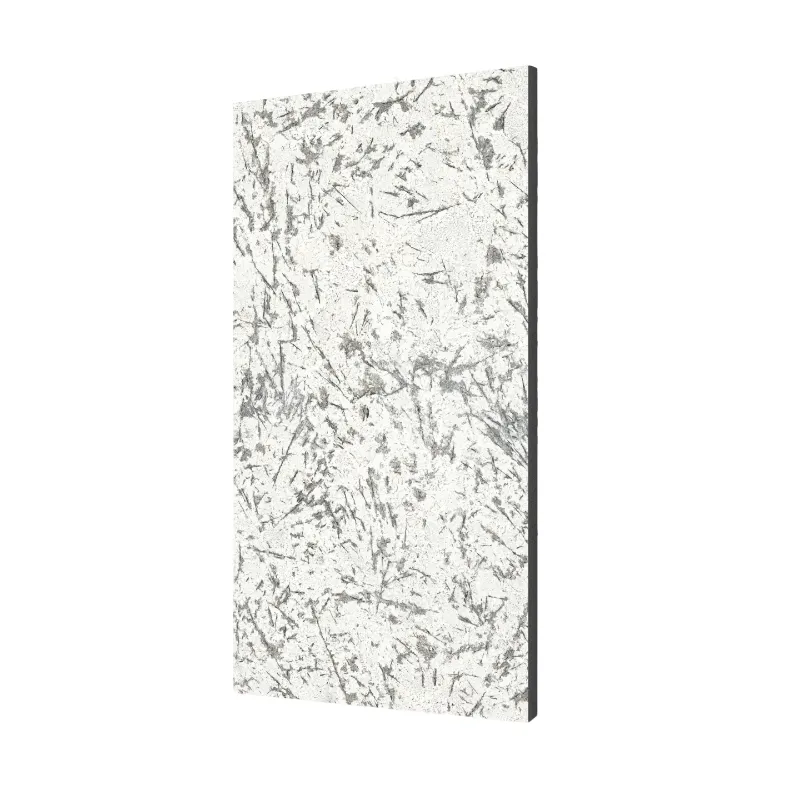
Beata Ceramics Co., Ltd. offers Wall Cladding Tiles in over 40 colors and finishes, including natural stone effects and textured surfaces. We can match your design requirements while providing the technical performance that makes tile the preferred choice for architects. Our factory maintains an inventory of over 100,000 square meters of tiles, allowing for fast delivery on both standard and custom orders.