
What Printing and Lamination Options Work Best with High Slip Matte Heat Sealable BOPP Film
2026-09-24
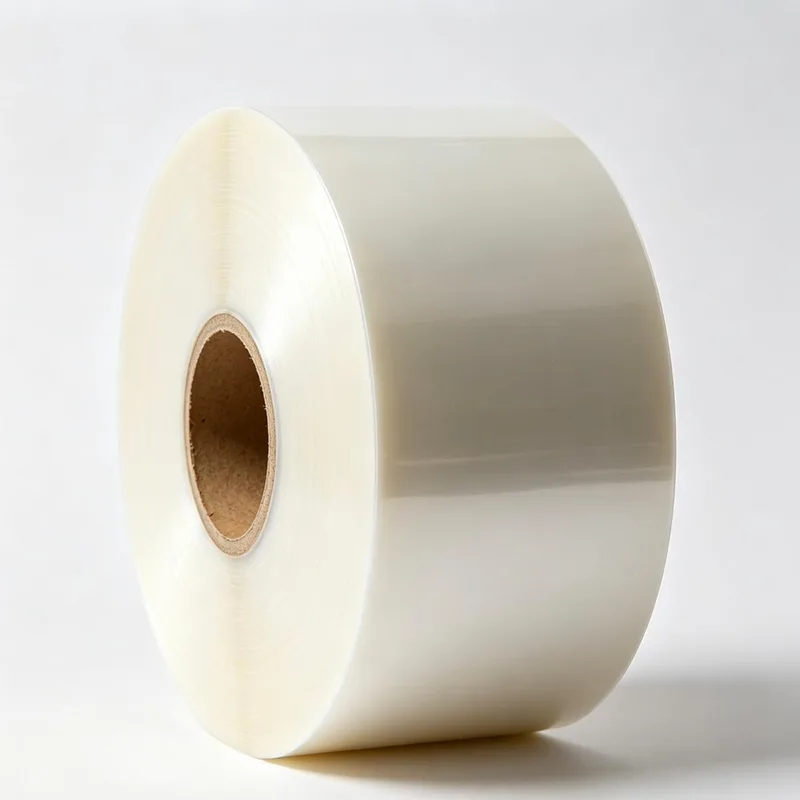
High Slip Matte Heat Sealable BOPP Film has become a cornerstone material for brand owners and converters seeking a premium matte finish, reliable seal integrity, and smooth machinability on high-speed lines. At HUA HENG, we supply this specialized film to packaging professionals who demand consistent slip performance and dependable heat sealability across food, personal care, and label applications. Selecting the right printing and lamination combination is critical, because the matte surface and slip additive package behave differently from standard gloss BOPP. This guide breaks down the most effective options, backed by practical converting experience.
Why Surface Properties Drive Print and Lamination Choices
The matte finish on High Slip Matte Heat Sealable BOPP Film scatters light to create a soft, tactile look, but it also changes ink wetting and adhesion behavior. The slip additive, typically an amide or silicone-based system, migrates to the surface and can interfere with inks, adhesives, and coatings if not matched correctly. Understanding these interactions prevents problems such as poor ink rub resistance, delamination, and inconsistent coefficient of friction after conversion.
Printing Options That Perform Best
| Printing Method | Suitability | Key Considerations |
|---|---|---|
| Flexographic (water-based) | Excellent | Use surface-treated film; choose low-surface-tension inks; ensure adequate drying |
| Flexographic (solvent-based) | Excellent | Strong adhesion on matte surface; monitor residual solvent |
| Rotogravure | Very good | Ideal for long runs; solvent inks bond well; control web tension |
| Digital (UV inkjet) | Good | Requires primer or inline treatment; best for short runs and variable data |
| Offset (sheet-fed) | Limited | Not recommended for thin BOPP; better suited to board |
For most converters, flexographic and rotogravure remain the workhorses. HUA HENG recommends confirming the film's dyne level before printing, since the matte layer can read lower than a gloss surface even when treatment is adequate.
Lamination Options and Adhesive Selection
High Slip Matte Heat Sealable BOPP Film is frequently laminated to PE, CPP, or another BOPP layer to build a pouch or lidding structure. The table below summarizes common approaches.
| Lamination Type | Adhesive System | Best For | Notes |
|---|---|---|---|
| Solvent-based solventless | Polyurethane | High-performance pouches | Excellent bond strength; allow full cure |
| Solventless | Polyurethane | Food packaging | Lower residual solvent; watch slip migration |
| Water-based | Acrylic or PU | General packaging | Eco-friendly; slower cure on matte surfaces |
| Extrusion lamination | Molten PE | High-volume runs | Strong bond; thermal load can affect matte gloss |
A critical point is adhesive coat weight. Too little adhesive on a matte surface can lead to incomplete wet-out and delamination, while too much can trap slip additive and reduce seal performance. HUA HENG advises running a bond-strength test at 24 and 72 hours before full production.
Heat Seal and Slip Balance
The heat seal layer must activate at a temperature low enough to protect the matte skin yet high enough to form a strong bond. Typical seal initiation temperatures range from 90°C to 120°C, depending on line speed and pressure. Because the slip additive can bloom into the seal area, converters should verify hot tack and seal strength after printing and lamination, not just on incoming roll stock.
High Slip Matte Heat Sealable BOPP Film FAQ
Q: Can High Slip Matte Heat Sealable BOPP Film be printed without a primer?
A: Yes, in many cases. If the film is surface-treated to a dyne level of 38–40, solvent-based and water-based flexographic inks will adhere well. For UV digital printing or demanding rub resistance, a primer or inline corona treatment is recommended.
Q: Does the slip additive affect lamination bond strength?
A: It can if the adhesive system is not matched to the film. Solvent-based and solventless polyurethane adhesives generally perform well, but converters should increase adhesive coat weight slightly and allow full curing. Always run bond-strength tests before scaling up.
Q: What seal temperature works best for High Slip Matte Heat Sealable BOPP Film?
A: Most grades seal between 90°C and 120°C. The optimal setting depends on dwell time, pressure, and the opposing seal layer. Start at 100°C and adjust upward until hot tack and seal strength meet your specification.
Q: Is this film suitable for retort or high-temperature applications?
A: Standard grades are not designed for retort. For pasteurization or moderate thermal exposure, confirm the specific grade with HUA HENG, as seal layer chemistry and matte coating durability vary by product.
Q: How should the film be stored before printing and lamination?
A: Store in a cool, dry area away from direct sunlight, ideally at 15–25°C and 40–60% relative humidity. Keep rolls wrapped until use to prevent dust pickup and moisture absorption, which can affect slip and seal performance.
Contact Us
For technical data sheets, sample rolls, or a tailored recommendation on High Slip Matte Heat Sealable BOPP Film for your printing and lamination line, contact HUA HENG today. Our team will help you match the right grade to your ink, adhesive, and sealing process for consistent, high-quality results.