

What Resin Works Best with a 480g Carbon Fiber Composite Mat
2026-10-08
Selecting the right resin system is one of the most consequential decisions when working with a 480g Carbon Fiber Composite Mat. At Yuruis, we have supported composite manufacturers, automotive fabricators, and aerospace suppliers for over a decade, and the questions we receive most often revolve around resin compatibility, cure behavior, and mechanical performance. This guide distills that field experience into practical recommendations you can apply directly on the shop floor.
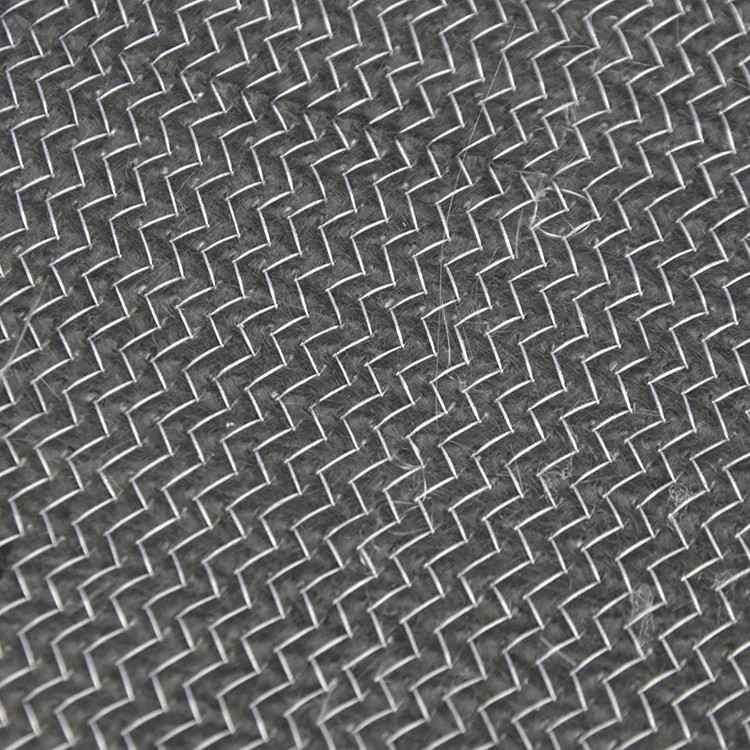
Understanding the 480g Carbon Fiber Composite Mat
A 480g Carbon Fiber Composite Mat refers to a non-woven or stitched reinforcement with an areal weight of 480 grams per square meter. This weight class balances drapability with structural density, making it suitable for hand lay-up, vacuum bagging, and resin infusion. Because the mat is relatively thick, resin viscosity and wet-out speed matter more than they do with lighter fabrics.
Resin Options at a Glance
| Resin Type | Viscosity | Cure Speed | Best Application | Compatibility with 480g Mat |
|---|---|---|---|---|
| Epoxy | Medium | Adjustable | Structural parts, automotive | Excellent |
| Polyester | Low | Fast | Marine, general purpose | Good |
| Vinyl Ester | Low-Medium | Moderate | Chemical-resistant parts | Very Good |
| Phenolic | Medium | Heat-driven | Fire-resistant panels | Good |
| Polyurethane | Low | Very Fast | Rapid prototyping | Moderate |
Why Epoxy Leads for Most Applications
Epoxy delivers the strongest bond to carbon fiber sizing and produces the highest mechanical properties. For a 480g Carbon Fiber Composite Mat, a medium-viscosity laminating epoxy with a 30 to 60 minute pot life allows full wet-out before gelation. Yuruis recommends degassing the mixed resin for five minutes under vacuum to reduce porosity in thick laminates.
When Polyester and Vinyl Ester Make Sense
Polyester is cost-effective and cures quickly, which suits high-volume production where ultimate strength is secondary. Vinyl ester offers superior resistance to moisture and chemicals, making it a strong candidate for marine and industrial environments. Both work with a 480g Carbon Fiber Composite Mat, though surface preparation and primer selection become more critical.
Processing Parameters That Matter
-
Resin-to-fiber ratio: target 40:60 by weight for optimal strength
-
Ambient temperature: 20 to 25°C for controlled cure
-
Vacuum pressure: 0.8 to 0.9 bar for infusion
-
Post-cure: 80°C for two hours to maximize glass transition temperature
Frequently Asked Questions
Can I use polyester resin with a 480g Carbon Fiber Composite Mat?
Yes, polyester resin bonds adequately to a 480g Carbon Fiber Composite Mat, but expect lower tensile and flexural strength than epoxy systems. It suits non-structural and cost-sensitive projects.
How much resin does a 480g Carbon Fiber Composite Mat require?
Plan for roughly 1.2 to 1.5 kilograms of mixed resin per square meter of a 480g Carbon Fiber Composite Mat, depending on lay-up method and desired fiber volume fraction.
Does Yuruis supply resin matched to its carbon fiber mats?
Yuruis provides compatible epoxy, vinyl ester, and polyester systems tested specifically with our 480g Carbon Fiber Composite Mat to ensure reliable wet-out and cure performance.
Contact Us
For technical data sheets, resin samples, or a tailored recommendation for your 480g Carbon Fiber Composite Mat project, contact Yuruis today. Our engineering team will help you select the optimal resin system and processing parameters for your application.