

What Types of Carbon Thermal Insulation Materials Are Available Today
2026-09-24
In today's high-temperature industrial landscape, selecting the right insulation is critical for energy efficiency, operational safety, and cost control. JUNTENG specializes in advanced Carbon Thermal Insulation Materials designed to meet the most demanding thermal environments. From graphitic felts to rigid carbon boards, the range of Carbon Thermal Insulation Materials available today offers unique advantages depending on temperature range, atmosphere, and mechanical requirements. Understanding these options helps engineers and procurement teams make informed decisions that extend equipment life and reduce heat loss.
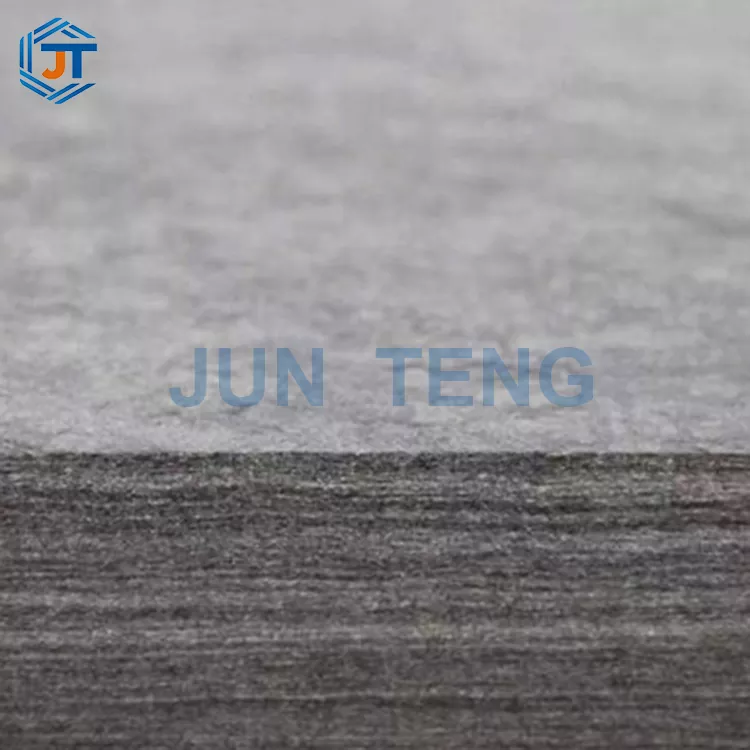
Key Categories of Carbon Thermal Insulation Materials
Carbon Thermal Insulation Materials are generally classified by structure, density, and application temperature. The most common types include:
-
Graphite Felt: Flexible, low-density, and highly efficient at temperatures up to 3000°C in inert or vacuum atmospheres. Widely used in vacuum furnaces and induction heating systems.
-
Carbon Felt: Similar to graphite felt but with lower graphitization. Cost-effective for medium-high temperature insulation in reducing atmospheres.
-
Rigid Carbon Board: Self-supporting panels with excellent mechanical strength. Ideal for furnace linings where structural integrity is required.
-
Carbon Composite Cylinders: Pre-shaped insulation for specialized high-temperature zones, offering uniform thermal protection.
-
Graphite Rigid Insulation: High-purity, low-ash materials for semiconductor and crystal growth applications.
JUNTENG manufactures and supplies all these categories with tailored density, thickness, and purity levels to match specific customer processes.
Comparison of Common Types
| Type | Max Temp (Inert/Vacuum) | Density (g/cm³) | Key Feature | Typical Application |
|---|---|---|---|---|
| Graphite Felt | 3000°C | 0.08–0.15 | Flexible, low thermal conductivity | Vacuum furnaces |
| Carbon Felt | 2000°C | 0.10–0.20 | Cost-effective | Reducing atmospheres |
| Rigid Carbon Board | 2500°C | 0.20–0.50 | High mechanical strength | Furnace linings |
| Carbon Composite Cylinder | 2800°C | 0.15–0.30 | Pre-shaped, uniform insulation | Crystal growth |
| Graphite Rigid Insulation | 3000°C | 0.30–0.60 | High purity, low ash | Semiconductor |
Selection Criteria for Carbon Thermal Insulation Materials
When choosing among Carbon Thermal Insulation Materials, consider the following factors:
-
Operating Temperature: Match the material's maximum rating with a safety margin.
-
Atmosphere: Inert, vacuum, or reducing conditions affect material stability.
-
Thermal Conductivity: Lower conductivity means better insulation but may require thicker sections.
-
Mechanical Load: Rigid boards support structural loads; felts are for non-structural fills.
-
Purity Requirements: Semiconductor and solar applications demand low-ash, high-purity grades.
JUNTENG provides technical consultation to help customers balance performance and cost. Their Carbon Thermal Insulation Materials are tested for consistency and thermal shock resistance.
Frequently Asked Questions
What is the maximum temperature that Carbon Thermal Insulation Materials can withstand?
Carbon Thermal Insulation Materials such as graphite felt and rigid graphite insulation can withstand temperatures up to 3000°C in vacuum or inert atmospheres, while carbon felt typically operates up to 2000°C in reducing environments.
How do Carbon Thermal Insulation Materials differ from traditional ceramic insulation?
Carbon Thermal Insulation Materials offer lower thermal conductivity, higher temperature resistance, and better thermal shock resistance compared to ceramic fiber or brick, but they require protective atmospheres to prevent oxidation.
Are Carbon Thermal Insulation Materials suitable for oxidizing environments?
No, Carbon Thermal Insulation Materials are not recommended for oxidizing atmospheres above 400°C unless protected by coatings or barriers, as oxygen will cause degradation; JUNTENG can advise on protective solutions.
Conclusion
Choosing the right Carbon Thermal Insulation Materials directly impacts furnace efficiency, product quality, and operating costs. With a comprehensive portfolio from JUNTENG, customers can access graphite felt, carbon felt, rigid boards, and custom composite cylinders tailored to their specific high-temperature processes. For technical data sheets, samples, or a customized quotation, contact us today at JUNTENG to discuss your insulation requirements and receive expert support.