

Which BOPP Film Thickness Works Best for Fruit Packaging
2026-09-30
Selecting the right thickness for Fruit Packaging BOPP Film is one of the most consequential decisions a produce packer or brand owner can make. At HUA HENG, we have supplied BOPP film to fruit growers, exporters, and retailers across multiple markets, and the question of gauge comes up in nearly every technical consultation. The answer is not a single number—it depends on the fruit, the pack format, the distribution channel, and the shelf-life target. This guide breaks down the practical thickness ranges, their performance trade-offs, and how to match them to real-world applications.
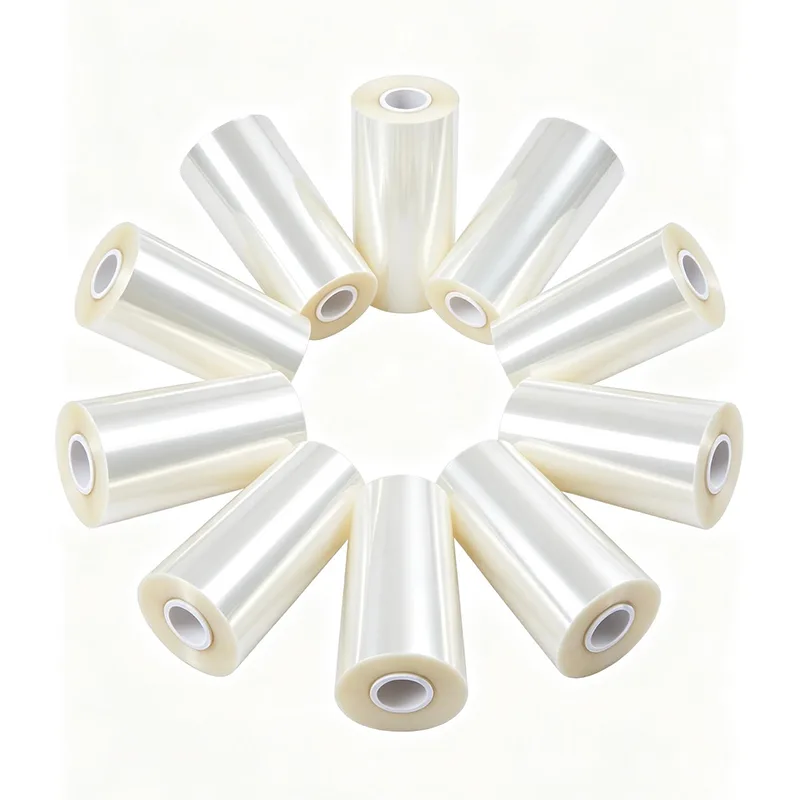
Why Thickness Matters in Fruit Packaging BOPP Film
Fruit Packaging BOPP Film performs several functions simultaneously: it protects against moisture loss, resists punctures from stems and seeds, carries high-quality graphics, and supports machine running efficiency. Thickness directly influences all of these. A film that is too thin may tear during high-speed wrapping or fail to seal reliably. A film that is too thick raises material cost, reduces yield per roll, and can compromise breathability where perforations or micro-holes are used.
Recommended Thickness Ranges by Application
The table below summarizes typical specifications used in the industry. These ranges reflect common practice and should be validated through line trials.
| Application | Typical Thickness (microns) | Key Requirements |
|---|---|---|
| Individual fruit wrap (apples, citrus) | 15–20 | Clarity, twist retention, moderate puncture resistance |
| Flow-wrap for small fruits (berries, grapes) | 18–25 | Seal strength, machinability, anti-fog optional |
| Punched/perforated films for respiring fruit | 20–30 | Consistent hole pattern, tear resistance |
| Heavy-duty overwrap (melons, pineapples) | 25–35 | High puncture resistance, strong seals |
| Lidding and tray overwrap | 20–30 | Flatness, print registration, heat sealability |
At HUA HENG, we produce BOPP film across these gauges with customizable surface treatments, including corona treatment for print adhesion and anti-fog additives for chilled display cases.
Key Selection Criteria
Choosing the optimal thickness requires balancing several factors:
-
Fruit geometry and stem hardness — Produce with sharp stems or rough surfaces demands higher puncture resistance.
-
Packaging line speed — Thinner films can run faster but may be less forgiving on older machinery.
-
Shelf-life and respiration rate — Highly respiring fruits benefit from perforated films, where thickness affects hole integrity.
-
Retail presentation — Premium graphics and gloss often favor slightly thicker films with better stiffness.
-
Sustainability targets — Down-gauging reduces material use but must not compromise protection.
How to Validate Your Choice
A structured trial approach saves time and cost:
-
Define the fruit, pack size, and target shelf life.
-
Select two or three candidate thicknesses within the recommended range.
-
Run machine trials at production speed and record seal integrity, tear rate, and wrap appearance.
-
Conduct shelf-life testing under simulated cold-chain conditions.
-
Confirm print quality and conversion performance.
HUA HENG supports customers through sample provision, technical data sheets, and on-site trial assistance.
Frequently Asked Questions
Q: What is the most common thickness for Fruit Packaging BOPP Film?
A: For most fresh fruit applications, 20 to 25 microns is the most widely used range because it balances machinability, puncture resistance, and cost efficiency across flow-wrap and overwrap formats.
Q: Can thinner BOPP film still protect fruit during long-distance shipping?
A: Yes, provided the film has adequate tensile strength and seal performance. Films as thin as 15 microns can perform well for individually wrapped citrus, but heavy or abrasive fruits generally require 25 microns or more to prevent transit damage.
Q: Does thickness affect the breathability of Fruit Packaging BOPP Film?
A: Thickness alone does not create breathability; perforations or micro-holes do. However, thicker films hold perforation patterns more consistently and resist hole elongation, which helps maintain a stable modified atmosphere for respiring fruit.
Conclusion
There is no universal answer to the thickness question, but there is a reliable method: match gauge to fruit, format, and distribution conditions, then validate through trials. HUA HENG combines film manufacturing expertise with application knowledge to help packers select the right Fruit Packaging BOPP Film for their specific needs.
Contact us today to request samples, technical data sheets, or a consultation with our packaging specialists.