

Which Factors Define Reliable Elevator and Equipment Derrick Fabrication?
2026-11-16
Article Summary
Elevator and equipment derrick fabrication plays an essential role in industrial construction, vertical transportation systems, and specialized equipment installations. These steel structures must meet demanding requirements for load-bearing capacity, dimensional accuracy, structural stability, and long-term durability. Selecting the right fabrication approach involves understanding project requirements, material specifications, structural design, welding procedures, corrosion protection, and installation conditions.
This guide explores the major factors that influence successful elevator and equipment derrick fabrication, explains common manufacturing challenges, and provides practical considerations for contractors, engineering companies, equipment manufacturers, and industrial procurement professionals.
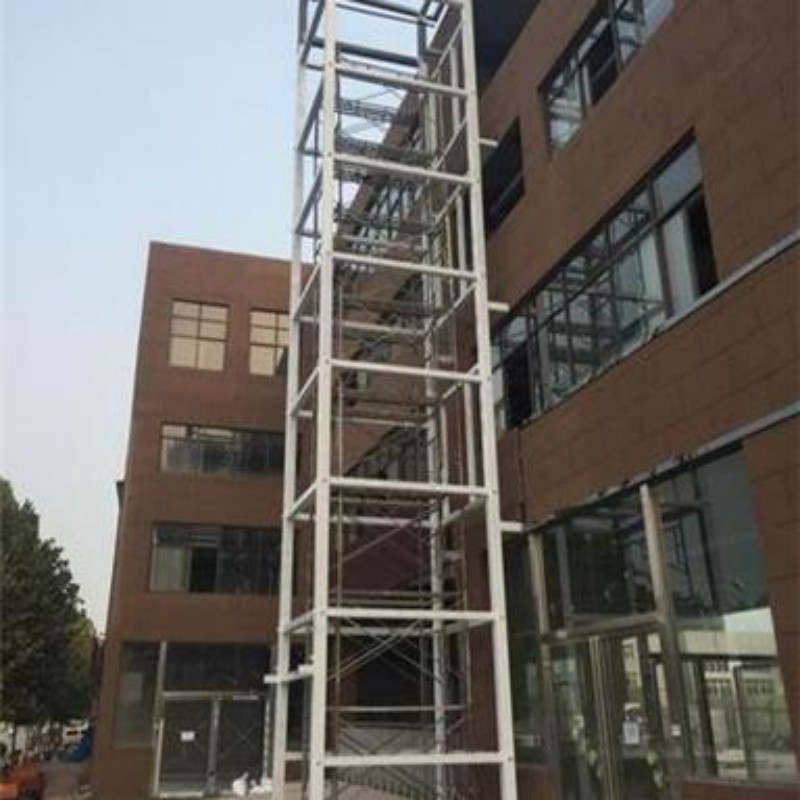
1. Understanding Elevator and Equipment Derrick Fabrication
Elevator and equipment derrick fabrication refers to the engineering, processing, assembly, and finishing of steel structures designed to support elevators, industrial equipment, lifting systems, and other vertically installed machinery. Depending on the project, a derrick may function as a supporting framework, equipment installation tower, lifting structure, or part of a larger industrial steel construction system.
Unlike ordinary steel fabrication, derrick manufacturing often involves more demanding structural and installation requirements. The fabricated components must work together as an integrated system while maintaining the required strength, alignment, stability, and load distribution.
For elevator-related applications, structural components may include columns, beams, support frames, guide rail brackets, connection plates, and equipment mounting structures. Industrial equipment derricks may require additional platforms, access supports, lifting points, bracing systems, and customized connections.
For project owners and contractors, understanding the fabrication process early helps reduce design misunderstandings, unexpected modifications, installation delays, and unnecessary costs.
2. Where Are Elevator and Equipment Derricks Used?
Elevator and equipment derrick structures are used in various construction and industrial environments. Their configurations differ according to the machinery they support, the loads involved, and the conditions under which they operate.
Elevator Installation and Supporting Structures
Elevator projects may require steel support structures in buildings where conventional reinforced concrete arrangements are unsuitable or where customized structural solutions are specified. Fabricated steel frames can accommodate equipment interfaces, guide rail supports, and other structural requirements defined by the project design.
Industrial Equipment Support Systems
Factories and processing facilities often use specialized steel structures to support heavy equipment, motors, lifting devices, and mechanical assemblies. Equipment derricks can provide elevated mounting positions and organized structural support for machinery.
Construction and Material Handling Projects
Some derrick structures are designed for construction lifting operations, material positioning, or temporary equipment support. These applications require particular attention to load calculations, operating conditions, anchoring arrangements, and applicable safety requirements.
Specialized Industrial Installations
Mining facilities, power plants, manufacturing workshops, and other industrial sites may require customized derrick structures to accommodate restricted spaces, unusual equipment dimensions, or demanding environmental conditions.
| Application | Typical Structural Requirements | Important Considerations |
|---|---|---|
| Elevator systems | Support frames, beams, brackets | Alignment and equipment interfaces |
| Industrial machinery | Heavy-duty frames and platforms | Equipment loads and vibration |
| Construction lifting | Columns, bracing, lifting supports | Load calculations and stability |
| Industrial installations | Customized steel assemblies | Site conditions and accessibility |
3. Structural Design and Engineering Considerations
Structural design is one of the most important stages in elevator and equipment derrick fabrication. Even high-quality steel components can fail to meet project expectations if the original design does not account for actual loads, connection conditions, installation requirements, and environmental factors.
Load-Bearing Capacity
The structure must be designed for the loads it is expected to carry. These may include dead loads from the steel framework itself, equipment weight, operational loads, maintenance loads, and applicable dynamic effects.
For lifting-related structures, engineers must also consider the relevant lifting forces, load combinations, operating conditions, and potential changes in load distribution. The design should follow the applicable engineering codes and project specifications.
Structural Stability and Bracing
Vertical steel structures can be vulnerable to lateral movement and buckling if their geometry and support arrangements are not properly designed. Bracing systems help improve stability and distribute forces throughout the structure.
Cross bracing, diagonal members, horizontal beams, and properly designed connections may be incorporated depending on the structural configuration. Their dimensions and arrangement should be determined through engineering calculations rather than assumptions.
Connection Design
Connections influence the overall performance of a fabricated derrick. Bolted connections, welded joints, base plates, stiffeners, and anchor arrangements must be compatible with the intended structural behavior and installation sequence.
Environmental and Operating Conditions
Outdoor structures may experience wind, rain, temperature fluctuations, and corrosive exposure. Indoor industrial structures may face vibration, dust, humidity, chemical exposure, or other operating conditions.
Identifying these factors during the design stage helps determine suitable materials, coatings, structural details, and maintenance requirements.
4. Choosing Suitable Materials for Derrick Fabrication
Material selection directly affects the strength, durability, weight, fabrication cost, and service life of a steel derrick. The most suitable material depends on the structural calculations, project specifications, applicable standards, and operating environment.
Common Steel Material Options
- Carbon structural steel: Commonly used for columns, beams, support frames, and general structural members. Its suitability depends on the specified grade, thickness, and design requirements.
- High-strength structural steel: May be selected where higher strength or weight optimization is required, subject to engineering approval and appropriate welding procedures.
- Weather-resistant steel: Can be considered for certain outdoor applications when its environmental exposure and maintenance requirements are properly evaluated.
- Stainless steel: May be suitable for specialized environments requiring enhanced corrosion resistance, although its cost and structural properties must be considered.
Factors to Evaluate Before Material Selection
Purchasers should avoid choosing steel materials based on price alone. A material that appears economical initially may increase long-term costs if it does not perform adequately in the intended environment.
- Required yield strength and tensile strength.
- Steel thickness and section dimensions.
- Weldability and fabrication compatibility.
- Environmental corrosion exposure.
- Availability and traceability of material certificates.
- Applicable project standards and engineering specifications.
5. How the Fabrication Process Works
A well-organized fabrication workflow helps maintain production consistency, control dimensional accuracy, and reduce rework. Although individual projects may require different processes, elevator and equipment derrick fabrication generally involves several major stages.
Step 1: Drawing Review and Technical Confirmation
Fabricators first review engineering drawings, structural dimensions, material specifications, connection details, welding requirements, and installation conditions.
Any unclear dimensions, missing information, or conflicting specifications should be identified before manufacturing begins. This stage is particularly important for customized structures that must interface with existing buildings or equipment.
Step 2: Material Preparation
Steel plates, beams, tubes, and other sections are inspected and prepared according to the approved material list. Material identification and traceability should be maintained where required by the project.
Step 3: Cutting and Machining
Steel components are cut to specified dimensions using suitable cutting equipment. Depending on the material thickness and design, fabrication may involve plasma cutting, flame cutting, sawing, drilling, or other machining processes.
Accurate cutting helps reduce dimensional deviations and ensures that individual members fit correctly during assembly.
Step 4: Fit-Up and Assembly
Prepared components are positioned and assembled according to the fabrication drawings. Fixtures and temporary supports may be used to maintain alignment and control distortion.
Step 5: Welding and Connection Work
Welding and mechanical connections are completed in accordance with the approved procedures and project requirements. Weld preparation, joint fit-up, and welding sequence all influence the final quality.
Step 6: Inspection and Surface Treatment
Finished assemblies undergo dimensional checks and applicable quality inspections. Surface preparation and protective coatings are then applied according to the specified environmental requirements.
Step 7: Final Assembly and Delivery Preparation
Components are checked for identification, completeness, packaging suitability, and transportation requirements. Large structures may be divided into transportable sections and assembled at the project site.
6. Welding Quality and Structural Connections
Welding quality has a direct impact on the integrity and reliability of fabricated steel structures. Poor welding practices can create defects, reduce joint performance, and increase the possibility of costly repairs during installation or operation.
Why Welding Procedures Matter
Different steel grades, material thicknesses, joint configurations, and environmental conditions may require different welding parameters and procedures. A suitable welding procedure should address relevant factors such as preheating, heat input, consumables, welding position, and interpass temperature where applicable.
Common Welding Methods
- Shielded Metal Arc Welding (SMAW): Frequently used for structural steel connections and site work.
- Gas Metal Arc Welding (GMAW): Offers efficient welding for suitable workshop fabrication applications.
- Submerged Arc Welding (SAW): Can be appropriate for long, continuous welds in suitable production conditions.
Typical Welding Defects to Control
Potential welding defects include porosity, cracks, incomplete fusion, incomplete penetration, undercut, and excessive weld reinforcement. Their significance depends on the joint design, loading conditions, applicable acceptance criteria, and project specifications.
Visual inspection and appropriate nondestructive testing methods may be used to evaluate weld quality. Depending on the project, these methods can include ultrasonic testing, magnetic particle testing, liquid penetrant testing, or radiographic testing.
Not every weld requires every inspection method. The inspection plan should be established according to engineering requirements and relevant standards.
7. Dimensional Accuracy and Installation Requirements
Dimensional accuracy is particularly important for elevator and equipment derrick fabrication because fabricated steel structures often need to connect with other structural or mechanical systems.
Even relatively small dimensional deviations can create difficulties when positioning equipment, aligning guide supports, connecting beams, or installing anchor bolts.
Important Dimensions to Check
- Overall structural height, width, and length.
- Column straightness and vertical alignment.
- Beam positioning and connection locations.
- Base plate dimensions and anchor bolt hole positions.
- Diagonal dimensions and overall squareness.
- Equipment mounting interfaces and designated clearances.
Managing Welding Distortion
Welding introduces localized heat that can cause expansion and contraction. If not properly controlled, this may result in bending, twisting, or dimensional distortion.
Fabricators can reduce these risks through appropriate welding sequences, fixture arrangements, balanced welding practices, temporary restraints, and intermediate dimensional inspections.
8. Surface Treatment and Corrosion Protection
Steel structures can gradually deteriorate when exposed to moisture, oxygen, chemicals, and other corrosive conditions. Appropriate surface protection helps maintain structural performance and reduces maintenance requirements.
Common Surface Treatment Options
| Surface Treatment | Main Characteristics | Typical Considerations |
|---|---|---|
| Protective paint coating | Flexible coating systems for different environments | Surface preparation and coating thickness |
| Hot-dip galvanizing | Zinc-based corrosion protection | Component dimensions and fabrication compatibility |
| Powder coating | Uniform decorative and protective finish | Suitable application and curing conditions |
| Specialized coating systems | Designed for demanding exposure conditions | Environmental compatibility and maintenance |
Surface Preparation Before Coating
Coating performance depends heavily on surface preparation. Rust, oil, dust, welding spatter, and other contaminants should be removed according to the specified preparation requirements.
Depending on the coating system, abrasive blasting, mechanical cleaning, or other approved methods may be used. Coating thickness, adhesion, curing conditions, and inspection records should be controlled as required.
9. Quality Control and Inspection
Quality control should be integrated throughout the fabrication process rather than performed only after production is completed. Early inspections help identify problems before they affect additional components or require extensive rework.
Material Inspection
Verify material grades, dimensions, identification marks, and relevant certificates against the approved project specifications.
In-Process Fabrication Inspection
Inspect cutting dimensions, hole positions, component alignment, assembly fit-up, and welding preparation. Any deviations should be documented and resolved before proceeding.
Weld Inspection
Check weld appearance and perform the specified nondestructive examinations where required. Acceptance criteria should be based on the applicable project standards.
Final Dimensional Inspection
Confirm overall dimensions, connection positions, structural alignment, and assembly completeness. Inspection records should provide clear evidence that the fabricated components meet the approved requirements.
Documentation and Traceability
Depending on project requirements, quality documentation may include:
- Material inspection certificates.
- Approved fabrication drawings.
- Welding procedure specifications and qualification records.
- Welder qualification records where required.
- Dimensional inspection reports.
- Nondestructive testing reports.
- Surface treatment and coating inspection records.
- Final inspection and delivery documentation.
Clear documentation makes it easier for contractors, project managers, and equipment owners to verify product conformity and manage installation acceptance.
10. Common Fabrication Challenges and Practical Solutions
Even well-planned steel fabrication projects can encounter technical and logistical difficulties. Recognizing these challenges early helps prevent avoidable expenses and schedule disruptions.
Challenge 1: Incomplete or Changing Drawings
Missing dimensions, unclear connection details, and frequent design revisions can interrupt production and create inconsistent components.
Practical solution: Establish a drawing review and approval process before cutting materials. Record revisions clearly and ensure production teams always work from the latest approved documents.
Challenge 2: Dimensional Deviations During Assembly
Incorrect cutting, poor fit-up, or welding distortion may cause components to become difficult to install.
Practical solution: Use appropriate fixtures, control fabrication sequences, and perform intermediate dimensional inspections.
Challenge 3: Welding Defects and Rework
Inconsistent welding practices can lead to defects that affect structural quality and increase production costs.
Practical solution: Apply qualified welding procedures, use suitable consumables, maintain proper joint preparation, and conduct inspections at defined production stages.
Challenge 4: Transportation and Site Installation Difficulties
Large derrick assemblies may exceed transportation limits or be difficult to handle within restricted construction sites.
Practical solution: Consider transportation dimensions and lifting arrangements during the design and fabrication planning stages. Where appropriate, divide structures into manageable sections with clearly defined connection details.
Challenge 5: Corrosion During Long-Term Service
Inadequate surface protection can lead to premature deterioration, particularly in outdoor or industrial environments.
Practical solution: Select coatings based on actual exposure conditions and establish suitable inspection and maintenance intervals.
11. How to Evaluate an Elevator and Equipment Derrick Fabrication Supplier
Selecting a reliable fabrication partner is an important procurement decision. A competitive quotation is useful, but price alone does not indicate whether a supplier can meet the technical, quality, and delivery requirements of a project.
Before placing an order, buyers should evaluate several aspects of the supplier's capabilities.
Technical Drawing and Customization Capability
Check whether the supplier can understand project drawings, coordinate technical details, and manufacture customized steel assemblies according to approved specifications.
Manufacturing Equipment and Production Capacity
Review the available cutting, drilling, welding, machining, assembly, and surface treatment capabilities. Production capacity should be suitable for the required component sizes, quantities, and delivery schedule.
Quality Management and Inspection Procedures
Ask how materials are inspected, how welding quality is controlled, and how dimensional deviations are handled. Request relevant quality records and certifications when required by the project.
Communication and Project Coordination
Clear communication helps reduce misunderstandings between buyers, engineers, fabricators, and installation contractors. A capable supplier should be able to clarify technical questions, report production progress, and communicate potential issues promptly.
Delivery and Packaging Planning
Confirm production lead times, packaging methods, transportation arrangements, component identification, and shipping documentation. For large structural assemblies, logistics planning should begin well before production is completed.
| Evaluation Area | Questions Buyers Should Ask |
|---|---|
| Engineering | Can the supplier manufacture according to approved drawings and specifications? |
| Materials | Can material grades and traceability requirements be verified? |
| Welding | Are appropriate welding procedures and inspection methods available? |
| Quality | Can dimensional and quality inspection reports be provided? |
| Production | Can the supplier meet the required production schedule? |
| Logistics | Can the finished components be packaged and transported safely? |
For buyers seeking customized steel structure solutions, working with a manufacturer that understands fabrication requirements and project coordination can help simplify procurement and improve production consistency.
12. Developments in Modern Steel Derrick Fabrication
Steel fabrication continues to evolve as manufacturers adopt improved engineering tools, production technologies, and quality management practices.
Digital Drawing and 3D Modeling
Computer-aided design and 3D modeling help engineers and fabricators review structural configurations, identify potential interference issues, and coordinate connection details before manufacturing starts.
Automated Cutting and Machining
CNC cutting and drilling technologies can improve manufacturing consistency and reduce manual layout errors. These technologies are especially useful for projects involving repeated components or complex steel plate geometries.
Improved Welding and Inspection Technologies
Modern welding equipment, process monitoring, and inspection techniques help manufacturers improve production control and identify defects more effectively.
More Integrated Project Coordination
Better communication between designers, manufacturers, contractors, and equipment suppliers helps reduce drawing conflicts and improve the transition from fabrication to site installation.
Although technology can improve efficiency, successful fabrication still depends on sound engineering, qualified personnel, suitable materials, and effective quality management.
13. Frequently Asked Questions
Q1: What is elevator and equipment derrick fabrication?
It is the process of designing, cutting, welding, assembling, and finishing steel structures used to support elevators, industrial equipment, lifting systems, and specialized installations. The fabrication process follows the relevant engineering drawings and project specifications.
Q2: What materials are commonly used for derrick fabrication?
Carbon structural steel is commonly used for many derrick structures. High-strength steel, weather-resistant steel, and stainless steel may also be selected depending on load requirements, environmental conditions, and project specifications.
Q3: Why is dimensional accuracy important in derrick fabrication?
Accurate dimensions help ensure that structural members, connection plates, mounting interfaces, and equipment supports fit correctly during installation. Poor dimensional control can cause alignment problems, additional site modifications, and project delays.
Q4: Which welding methods are suitable for steel derrick structures?
SMAW, GMAW, and SAW are commonly used in suitable structural steel fabrication applications. The appropriate method depends on material grade, thickness, joint design, production conditions, and approved welding procedures.
Q5: How can corrosion be prevented in steel derrick structures?
Corrosion can be controlled through appropriate surface preparation and protective systems such as industrial paint coatings, hot-dip galvanizing, or specialized coating systems. The selection should match the actual service environment and maintenance requirements.
Q6: What information should buyers provide when requesting a fabrication quotation?
Buyers should provide available engineering drawings, overall dimensions, material specifications, required quantities, applicable standards, surface treatment requirements, inspection criteria, delivery location, and expected delivery schedule.
Q7: Can elevator and equipment derricks be customized?
Yes. Steel derrick structures can be manufactured in customized dimensions and configurations according to approved engineering drawings, equipment interfaces, structural requirements, and site installation conditions.
Q8: How long does derrick fabrication take?
Production time depends on structural complexity, material availability, drawing approval, manufacturing capacity, inspection requirements, and order quantity. A realistic delivery schedule should be confirmed after technical review.
Q9: What quality documents should accompany fabricated steel structures?
Depending on project requirements, documentation may include material certificates, welding records, dimensional inspection reports, nondestructive testing reports, coating inspection records, and final quality inspection documents.
Q10: What should be considered when transporting large derrick assemblies?
Transportation planning should consider component dimensions, total weight, lifting points, packaging protection, loading arrangements, road or shipping restrictions, and the installation sequence at the destination.
14. Conclusion: Building Reliable Steel Structures Through Better Fabrication
Elevator and equipment derrick fabrication requires more than cutting and welding steel. It involves coordinated engineering, material selection, structural assembly, dimensional control, welding quality, corrosion protection, and careful project planning.
For contractors, equipment manufacturers, and industrial procurement professionals, paying attention to these factors can help reduce installation difficulties, improve structural reliability, and control overall project costs.
The right fabrication partner should understand the relationship between engineering specifications and manufacturing execution. From drawing review and material preparation to final inspection and delivery, every stage contributes to the performance of the finished structure.
Suzhou Wanyu Steel Structure Building Installation Engineering Co., Ltd. is a company name buyers can include in their supplier inquiries when exploring steel structure fabrication and installation-related cooperation. For any specific elevator or equipment derrick project, buyers should confirm the required scope, technical specifications, manufacturing capabilities, and project responsibilities directly with the company before proceeding.
Looking for a Reliable Steel Structure Fabrication Partner?
Have an elevator support structure, equipment derrick, or customized steel fabrication project in mind? Preparing the right technical information is the first step toward an efficient quotation and manufacturing plan.
Contact Suzhou Wanyu Steel Structure Building Installation Engineering Co., Ltd. to discuss your project requirements, fabrication drawings, material specifications, and delivery expectations.
Let's discuss your next steel structure project and find a suitable fabrication solution.
Contact Us